


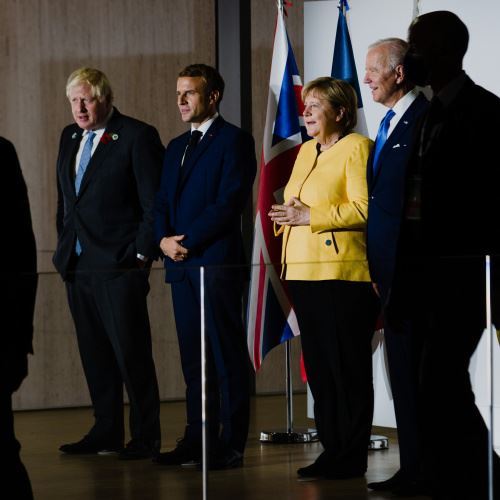
In response, the EU will abolish tariffs on a number of American products in 2018 in response to US steel tariffs.
US Commerce Secretary Gina Raimondo said that 25% tariffs on steel and 10% on aluminum remain in place, but European companies will be allowed to supply certain volumes of these metals duty-free to the US. The new order will come into effect on January 1, 2022.
The steel products supply quota will be significantly less than the 5.0 million tons that European companies supplied to the United States in 2018. It will be 3.3 million tons per year distributed quarterly to 54 product categories. Each EU country will receive individual limits depending on the volume of supply of certain types of products in the period 2015-2017. At the same time, it will be possible to transfer only 4% of the unused quota to the next quarter. For aluminum, the restrictions became even more stringent. An annual quota of 18 thousand tons of raw metal and 366 thousand tons of semi-finished aluminum products was determined in 14 product categories. It was decided that the quota would be revised every year, but the expansion or contraction would not exceed 3%.
Only products made from smelted steel in EU countries will be considered European. Rolled steel made from imported semi-finished products will continue to be subject to US steel tariffs. This is especially true for the products of the rolling mills belonging to the Russian NLMK Group and the Ukrainian Metinvest Group.
Items supplied duty-free from the EU to the United States in accordance with permits issued by the US Department of Commerce will not be included in the quota and permits will be valid for an additional two years. However, according to Philip Bell, president of the Steel Producers Association, American steelmakers do not expect these to last much longer.
The parties also agreed to draft a broad international agreement to support green decarbonized steel and aluminum within two years. At the same time, the US and EU will close their markets for "dirty" steel products, the production of which produces large amounts of carbon dioxide, and fight excess metallurgical capacity around the world. In both cases, China is mentioned in this context.




Comments
No comment yet.