


According to a joint US-EU statement received by Argus, the quota totaling 3.3 million tons will come into effect on January 1, 2022. The quotas will fall into 54 product categories and will be first come first served and applied quarterly.
Up to 4 percent of unused quotas can be rolled over to the next quarter, and the U.S. will review quota volume each year – quota volume will fall where U.S. apparent consumption falls or rises 6 percent above 2021 levels, according to Worldsteel.
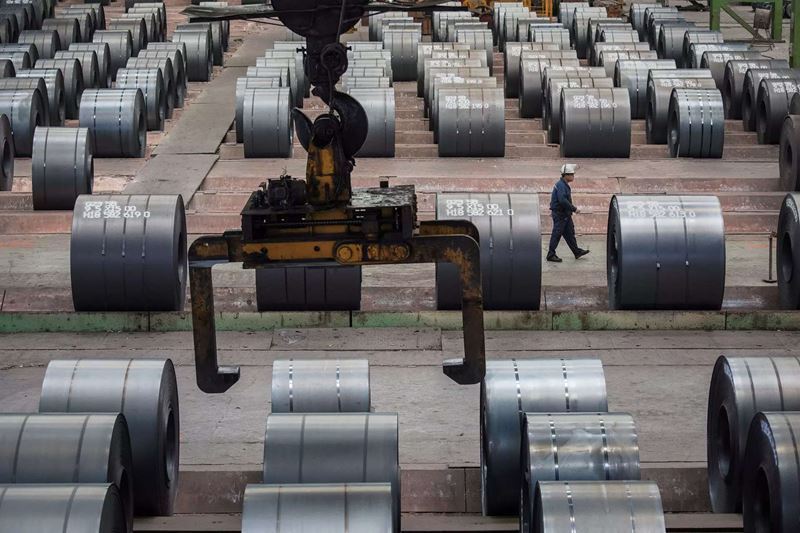
The hot rolled coil (HRC) quota will be beneficial for Dutch and German producers, who have the largest share of Europe's exports to the US. Manufacturers from these two countries accounted for more than 73 percent of EU HRC shipments to the US in 2015 and 63 percent in 2017-20.
HRC shipments from the Netherlands to the USA are subject to 3.73 percent customs duty, while shipments to Germany do not pay any customs duty other than the applicable 25 percent Section 232 tariff. Sweden also consistently accounts for more than 10 percent of total European shipments to the US. Steelmaker Tata Steel has sold approximately 195,000 tons of coils to the US this year from its Ijmuiden plant in the Netherlands, according to ImportGenius data. According to Eurostat data - ImportGenius follows bills of lading and is more current than Eurostat customs data - European producers sold 165,561 tons of HRC to the US in January-July.
The EU sold an average of 1.2 million tons/year of HRC, cold rolled coil and hot dip galvanized coil to the US in 2015-18, when carbon steel shipments averaged 3 million tons/year. 1.1 million tonnes of European material exempted from Section 232 will be above the quota and the EU anticipates more exemptions for European steel, meaning the total quota will be greater than 4.4 million tonnes/year.
The smelter and cast material can be problematic for rolling mills using slabs from other regions, meaning that the steel in the deal must be produced in Europe and not use semi-finished products imported from elsewhere.
Regarding US steel import tariffs, it is important for EU steelmakers exporting to the US that the new provisions introducing a tariff rate quota system take into account traditional EU export levels within a stable framework and product exemptions. Eurofer managing director, Axel Eggert, said that the maintenance already in place for EU steelmakers has been carried out or renewed.




Comments
No comment yet.