


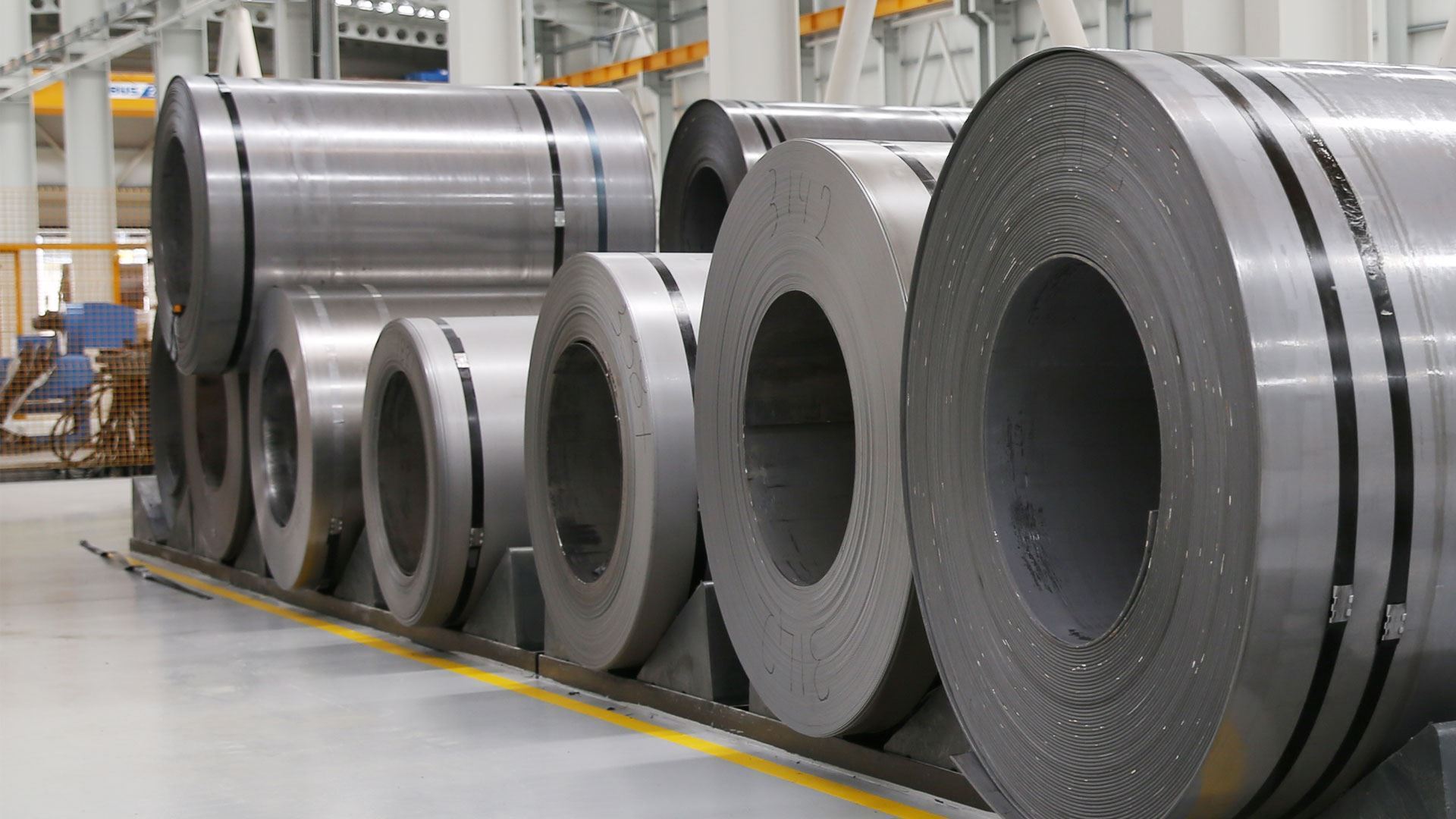
Steel prices in India, the world's second-largest crude steel producer, have hit their lowest point in three years amid rising imports and stagnant exports. In July, domestic prices for hot-rolled coils, a must-have for the manufacturing sector, averaged 52,267 rupees (622.62 USD) per ton. The last time such a low price was recorded was in December 2020, at 52,000 rupees (619 USD).
India became a net importer in the fiscal year ending March 31, 2024, a trend that continued as finished steel imports hit a five-year peak in April-May. Import flows from China and Vietnam, as well as Chinese steel supplies in global markets, have made Indian exports less competitive in many regions, putting downward pressure on local prices, market sources said.
Sources have said that the combination of rising imports and declining exports has significantly affected pricing dynamics in the Indian steel industry.
The Indian Steel Ministry has asked the Commerce Ministry to investigate cheaper steel imports from China and Vietnam. With rapid economic growth and increased infrastructure spending, India has become an attractive market for both domestic and global steel producers, especially with declining demand for steel in Europe and the United States.
Tata Steel's chief executive, T.V. Narendran, stated last week that he expects demand in India to rise from October through March, driven by the construction sector, automobiles, railways, and other industries.
According to a prominent global steel producer, the demand outlook for 2024 is somewhat cautious. The projected growth for global apparent steel consumption (ASC) outside of China has been adjusted downward to 2.5-3%, while in the EU and US, growth is expected to be slightly higher in the second half of 2024 compared to the previous year. China's ongoing struggles in the real estate sector and slower infrastructure spending could keep its demand growth between -1.0% and +1%.
However, the forecast for India remains optimistic, with the country expected to achieve a solid ASC growth of 7.5-9.5% by the end of the year, despite occasional slowdowns due to its own challenges.






Comments
No comment yet.