



At the end of January and the beginning of February, several categories of construction steel products in the Russian domestic market recorded modest price increases. The upward adjustments were uneven across the product range but notable because they interrupted a downward trend that had dominated since the start of the year.
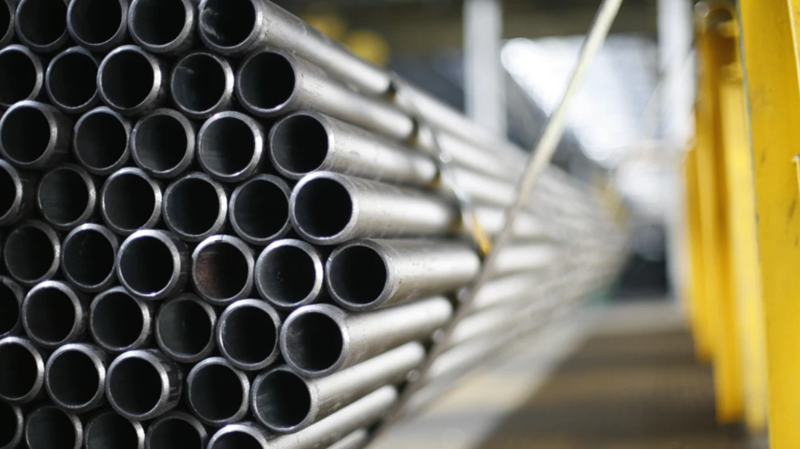
Price gains were most visible in structural shapes and pipe products. I-beams moved above the 82,000 rubles per tonne ($1,068/t) level, while electric-welded and water-gas pipes approached the high-50,000 rubles per tonne ($651/t) range. Weekly increases varied depending on product type, indicating that the market is reacting to segment-specific pressures rather than a broad-based recovery.
At the same time, many other steel products, particularly flat products such as hot-rolled and cold-rolled coil, continued to experience price softness. Across a wide basket of long products, sections, and hardware items, the number of price decreases since the start of the year has significantly exceeded the number of increases. This confirms that the current strengthening is narrow and concentrated in selected construction-related items.
The recent price firming appears primarily cost-driven. Producers are facing higher logistics and rail transportation tariffs, tax-related pressures, and elevated raw material costs carried over from previous months. With margins compressed and prices in some segments close to production cost levels, mills have limited room to maintain further discounts and are attempting to gradually push offers upward where market conditions allow.
Another supporting factor is precautionary restocking by traders and large end-users. Ahead of the spring construction season, distributors are rebuilding inventories to avoid potential supply disruptions. This has created localized demand pockets, particularly for standard construction assortments, contributing to firmer quotations in those categories.
Supply-side limitations also play a role. Certain pipe products remain in steady demand from the oil and gas sector, while production flexibility in some rolling segments is restricted. Where availability is tighter, suppliers have more leverage to adjust prices upward. However, these cases are product-specific and do not yet represent a structural shortage across the market.
Despite the recent stabilization and selective increases, most indicators suggest that underlying construction demand remains weak. Seasonal improvement is typically expected from March–April as building activity accelerates, and this may lend additional short-term support to prices. However, market participants generally do not anticipate a strong demand-led rally.
The construction sector remains the largest steel-consuming industry in Russia, but volumes have been trending lower. Last year, steel consumption in construction fell by roughly one-tenth year-on-year, and expectations for the current year point to a further decline, though at a slower pace. Forecasts for residential project launches and housing completions indicate continued contraction, reflecting reduced developer activity and postponed project timelines amid tighter profitability conditions.
Even if financing conditions improve somewhat, analysts broadly expect that this alone will not be enough to reverse the downward trend in construction steel demand in the near term.





Comments
No comment yet.