


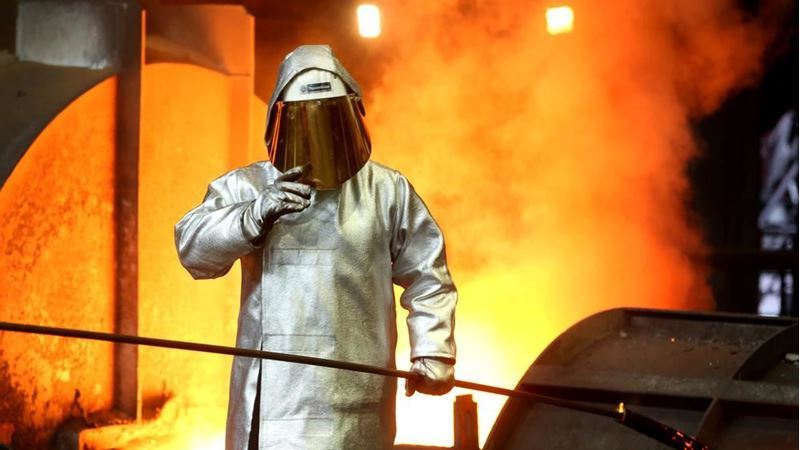
The new facility is scheduled to begin operations in the second half of 2028. The plant aims to reduce the copper content in scrap to a minimum level. To achieve this, material preparation processes will combine AI-powered object recognition systems with X-ray-based analysis technologies. This approach is expected to deliver higher efficiency with lower resource consumption compared to conventional methods.
The project is expected to generate annual energy savings of 16 gigawatt-hours and reduce carbon dioxide emissions by up to 76,000 tons per year. In addition, impurities in scrap, particularly trace elements such as free copper, are targeted to be reduced by approximately 30%.
The new system is intended to increase the use of shredded scrap in steel production while optimizing the use of direct reduced iron (DRI) in electric arc furnaces. As a result, savings of approximately 63,000 metric tons of DRI and primary raw materials are expected to be achieved.
ROGESA operates as a joint venture between Aktiengesellschaft der Dillinger Hüttenwerke and Saarstahl Aktiengesellschaft, producing pig iron for both companies. As part of the steel industry’s green transition, raw materials such as DRI and scrap are becoming increasingly important in the production of low-carbon steel.
Supported under the Environmental Innovation Programme, the facility is intended to serve as the first industrial-scale application of its kind and act as a demonstration project showcasing advanced technology solutions.



Comments
No comment yet.