


In the first week of June, the domestic hot rolled steel price remained the same as the previous week at 820,000 KRW (596 USD) per ton. Despite the price increase announcements made by steel companies last month, there has been no significant change in the market.
The distribution price of heavy plates also remained unchanged at 970,000 KRW (705 USD) per ton. According to industry sources, the stagnation of domestic demand causes steel prices to remain flat. Efforts to increase prices, especially in flat products, were limited due to low demand in the market.
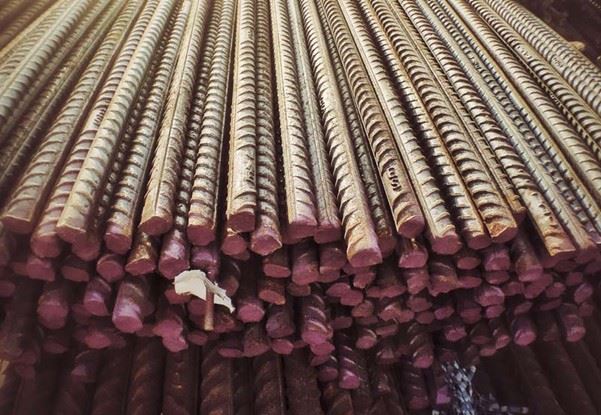
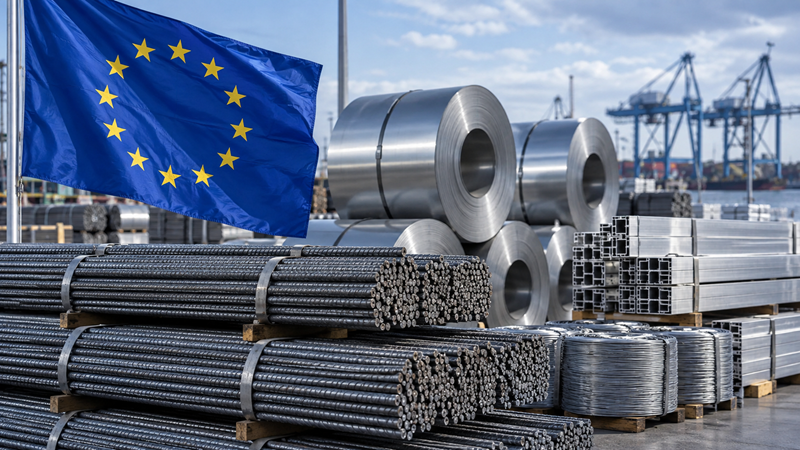
Due to the weak construction economy, rebar prices have fallen below 700,000 KRW (509 USD) per ton. In the first week of June, the rebar distribution price decreased by 1.4% to KRW 695,000 (USD 505) per ton. Steel companies, struggling with increasing inventories, are making cuts in high-strength production. Due to the stagnant construction market, the operating rate of steel plants is expected to remain around 60%.
As the slowdown in the steel market continues, the slow recovery in demand and the influx of low-priced goods are weakening product prices. Imports from China negatively affect the domestic industry. According to the Korea Iron and Steel Association, China's steel imports increased by 2.8% in the January-May period, reaching 4.07 million tons. However, the price of imported hot rolled products increased to 790,000 KRW (574 USD) per ton, narrowing the price gap with domestic products.
The decline of low-cost steel products, especially from China, may improve domestic market conditions. However, for now, stagnation in steel prices and weak demand stand out as the biggest challenges facing the industry.



Comments
No comment yet.