


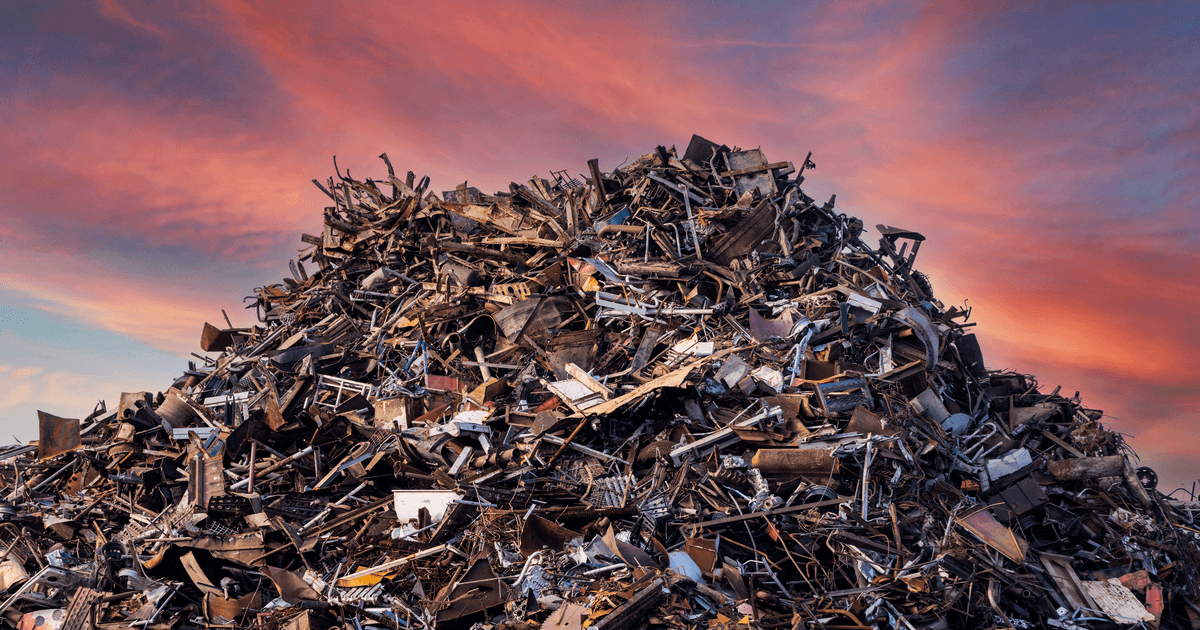
E40 scrap prices in Germany started the week of 8 July with an increase of EUR 8, reaching EUR 378. This increase was driven by stable demand in the domestic market and limited export activities. Declining production, especially in the German automotive industry, led to a drop in scrap demand. However, export orders from countries such as Turkey helped some German steel mills to revive demand. Ahead of the upcoming summer holidays, this is providing a short-term boost to demand for raw materials. Sources said that no major changes are expected in scrap prices in Germany in the coming weeks, but a potential increase in export demand could lead to slight price rises.
In Italy, E3 scrap prices fell by EUR 2 to EUR 368 in the week to 8 July. Sources said that this decline was mainly due to lower sales of flat and long steel products. Steel mills are negotiating with their raw material suppliers to increase their profits, while they tend to reduce production to balance their production capacities. In addition, maintenance shutdowns in August may also create supply shortages in the market. In the third quarter, the scrap market in Italy is expected to face a challenging period. The slowdown in end-user demand and adjustments in production capacity may cause prices to fluctuate.
In the Netherlands, HMS 1/2 (80:20) scrap prices increased by USD 1 to USD 366 from last week. This increase reflects the dynamism of scrap trade in the region. The Netherlands is positioned as a major scrap trading hub in Europe and prices here can be prone to sudden movements.
On the other hand, scrap prices for HMS 1/2 (80:20) remained stable at EUR 325 in the Benelux region. In the upcoming period, the course of scrap prices in the Netherlands and the Benelux region will be shaped by regional demand, export dynamics and global market conditions. How the market activity evolves with the impact of the summer holiday period may play an important role in determining the future direction of prices.





Comments
No comment yet.