


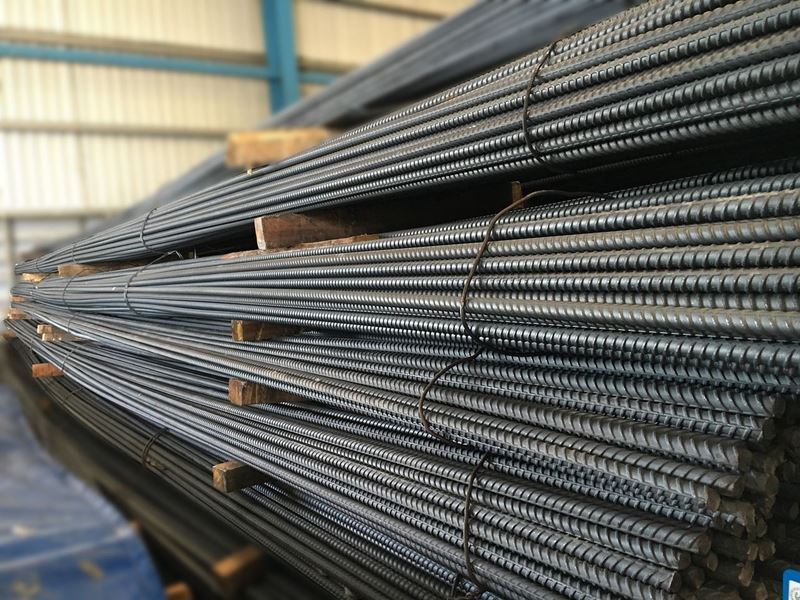
According to the newly published “OECD Steel Outlook 2026” report, global steel excess capacity is expected to reach 745 million tons by 2028, exceeding the current total steel production of OECD countries by 319 million tons.
The report states that the approximately 139 million tons of new capacity additions planned by 2028 represent a 5.7% increase compared to 2025 levels, while global steel demand growth is expected to remain weak at around 0.9% annually. This is expected to further deepen the imbalance between supply and demand.
According to the OECD, the majority of new production capacity is being added in non-OECD countries and is largely supported by government subsidies. The report notes that in 2024, the average Chinese steel company received subsidies equivalent to 15 times those received by producers in other countries relative to total assets, up from 10 times in 2023.
Chinese steel producers reportedly exported a record 131 million tons of steel in 2025, representing a 153% increase compared to 2020 and exceeding the European Union’s total steel production in 2025.
Mathias Cormann, speaking at the OECD Ministerial Council Meeting, stated that excess capacity is distorting global markets and undermining economic security and resilience. Cormann also stressed the need to address harmful subsidies and non-market practices, adding that stronger international cooperation is required.
The report further highlighted trade flows that increasingly circumvent trade measures such as anti-dumping and countervailing duties imposed on certain Chinese steel products. It noted that as exports of hot-rolled products from China to Southeast Asian countries have increased, exports from those countries to OECD markets have risen simultaneously.
The OECD emphasized that China’s exports of semi-finished steel products to Southeast Asia increased by 300% in 2025, indicating that trade measures may be bypassed through the processing and re-export of products in third countries.
The report also highlighted growing pressures on raw material supply. It stated that no steel-producing country is completely self-sufficient and that 42 countries have imposed restrictions on scrap exports. Rising energy costs linked to conflicts in the Middle East have also intensified pressure on the sector, with energy accounting for up to 40% of steel production costs.
According to the report, increasing costs are affecting investment decisions, and some low-emission steel production projects have been postponed. It also noted that the OECD Steel Committee and the Global Forum on Steel Excess Capacity are working with 28 major steel-producing economies, representing approximately 70% of global steel imports, to develop a more coordinated response.



Comments
No comment yet.