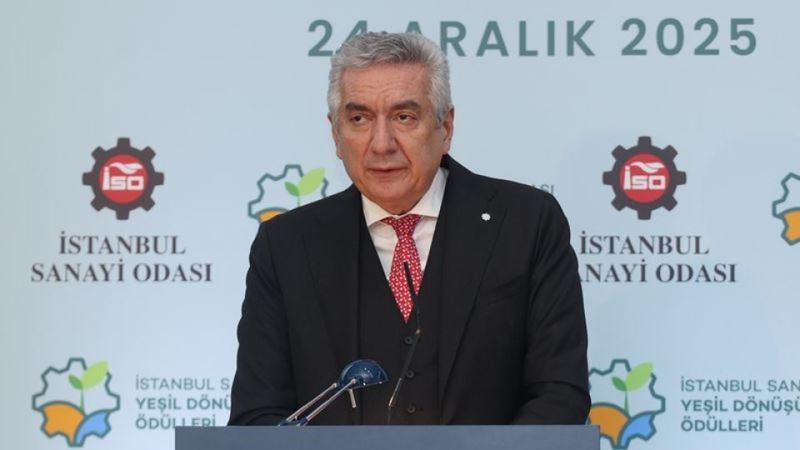
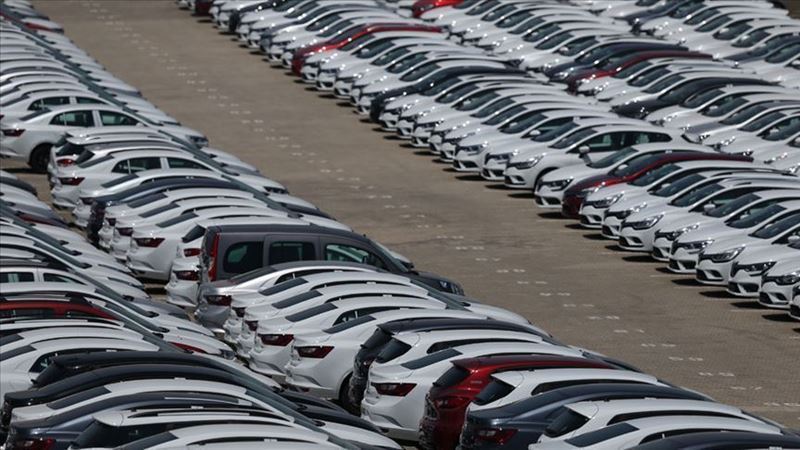
Bahçıvan said that the momentum achieved in the high technology group continues to support production, while recovery signals have emerged in the medium-high technology group, particularly in the automotive sector. On the other hand, he emphasized that pressure increased in 2025 on traditional, labor-intensive sectors such as textiles, which are more sensitive to financing and cost conditions. He noted that for the past two and a half years, an economic policy requiring sacrifices from all segments of society has been implemented in order to restore the economy to a rational footing and ensure financial stability, adding, “We can say that 2025 was the period when the program’s toughest days were experienced. ISO Türkiye Manufacturing PMI data clearly demonstrate this.”
Drawing attention to the fact that the PMI index has remained below the threshold value of 50 for the past 20 months, Bahçıvan said this is clearly visible across sectors. Noting that a difficult year for the industrial sector has been left behind, he stated, “The fact that the returns on these sacrifices are gradually being reflected in the indicators gives us hope. When financial stability is achieved and inflation enters a predictable path, the industrial sector will be the biggest beneficiary.”
Emphasizing that 2026 holds significant opportunities for the Turkish economy, Bahçıvan said that oil prices are set to close 2025 with a decline of nearly 20%, while signs of weakening in the U.S. labor market and rising stress in financial markets are pushing the Fed toward a more supportive stance. He noted that these two developments together contribute to external balance and produce positive outcomes for the disinflation process.
Stating that industrialists are facing a world in which competitive conditions are becoming increasingly harsh, Bahçıvan said that there are opportunities as well as risks. He stressed that if these opportunities are seized with the right strategies, the economy can be taken to a higher level, adding that in the new period, successful examples will be seen not only in the defense industry but also in many sectors that can compete in global markets and serve as alternatives to imports in the domestic market.
Bahçıvan underlined the special significance of 2026 being declared a “year of reform” by the President, saying that despite ongoing global uncertainties, an increase in predictability one of the main domestic shortcomings is expected. He stressed that making financial stability permanent and establishing a healthier pricing environment are critical for production activity.
Bahçıvan noted that the real value of the gains to be achieved through the current macroeconomic stability program lies in creating a suitable foundation for implementing the structural reform agenda. “We hope that 2026 will be a year in which Turkish industry truly takes steps toward reform. We need to make rapid progress in green and digital transformation.”
Stating that expectations for inflation to fall to the 16–19% range by the end of 2026 are considered somewhat optimistic, Bahçıvan said that following November, December inflation is also expected to come in below forecasts. He added that the decline in CDS premiums to the 200-point range for the first time in 7.5 years has laid the groundwork for credit rating agencies to deliver rating upgrades for Türkiye in the first months of 2026.
Bahçıvan said that, barring any unexpected developments, the current positive outlook is expected to be supported by significant interest rate cuts in 2026. With progress in interest rate reductions and the fight against inflation, he noted that credit restrictions on the industrial sector are expected to be gradually eased. These developments, he said, will make 2026 a more favorable year than 2025 in terms of external financing and foreign direct investment.
Emphasizing that easing the pressure of financing problems on the industrial sector is a top priority for everyone, Bahçıvan stated that the main issue is not a lack of resources, but rather their inefficient allocation. He highlighted the importance of a selective resource allocation mechanism that rewards productivity and value added, alongside protecting production and employment. Concluding his remarks, Bahçıvan said, “2025 was a year full of challenges, but I believe that in 2026 we can overcome these difficulties while preserving our hopes.”







Comments
No comment yet.