


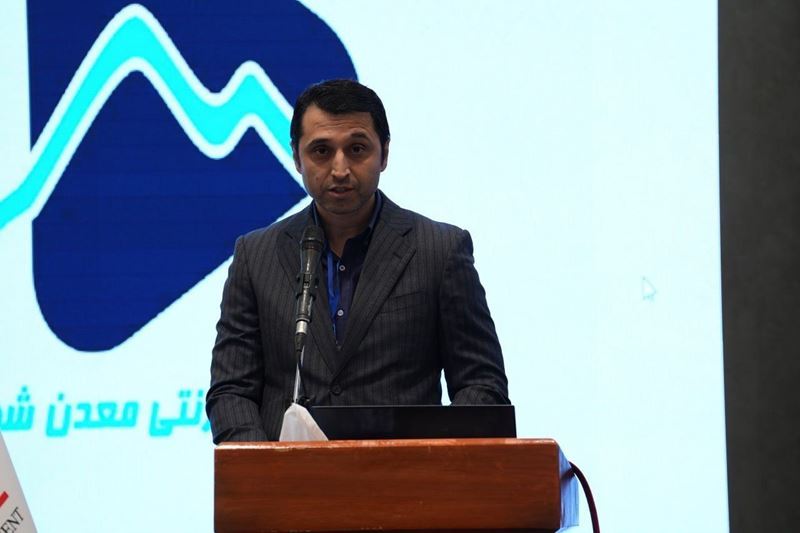
A Steel Analyst, who provided comments to SteelRadar on Iran’s iron and steel sector, stated the following:
In recent years, especially in the Middle East where Iran plays a central role, the steel industry has become one of the key pillars of the region’s industrial and geopolitical development. Progress toward a capacity of 55 million tons in Iran, along with significant capacity increases in other countries in the region, highlights the importance and strategic position of this industry in the Middle East.
The presence of rich iron ore reserves in Iran, strong mining capabilities, and abundant energy inputs such as electricity and natural gas across most countries in the region have created favorable conditions for the growth and development of the steel industry in the Middle East. Iran, as one of the main players in this sector, has been facing not only major opportunities but also a wide range of structural constraints, he said.
Commenting on Iran’s position in the global steel industry, Aligholizadeh noted that Iran currently ranks among the world’s top 10 steel producers. According to World Steel Association statistics, Iran’s steel production between 2022 and 2025 has remained in the range of 30–32 million tons, maintaining its position as the tenth-largest producer globally.
He added that in 2025, Iran’s steel production once again exceeded 32 million tons, emphasizing that this growth occurred during a period when the industry was facing serious energy constraints. He said steel companies’ investments in power infrastructure, construction of power plants, and movement toward energy self-sufficiency played a key role in overcoming these limitations.
He also noted that recurring electricity shortages in recent years have pushed major steel producers toward relative energy independence, resulting in a recovery to 32.1 million tons of crude steel output. Iran also reached 39 million tons of DRI production in 2025, becoming the world’s second-largest producer of direct reduced iron.
According to Aligholizadeh, more than 84% of crude steel production in Iran is produced via electric arc furnaces (EAF), 8% via induction furnaces (IAF), and 8% via blast furnace (BF) methods. He added that ongoing modernization plans in steel production lines are expected to make the transition toward green steel more prominent in the future.
Regarding domestic consumption, Aligholizadeh said that despite production and capacity growth, per capita steel consumption in Iran has remained relatively stable, mainly due to stagnation in construction and infrastructure projects.
He noted that the global average steel consumption per capita is around 235 kilograms, while in Iran this figure stood at 224 kilograms in 2024. He added that seasonal energy shortages in both summer and winter lead to disruptions in production facilities, directly affecting capacity utilization rates.
Production remained stable despite war
Addressing the impact of conflict on Iran’s steel industry, Aligholizadeh stated that during the 2025–2026 period, Iran experienced two phases of military confrontation. The first occurred between June 13–24, 2025, involving Israeli strikes, and the second between February 28–April 8, 2026, involving U.S. attacks.
He said these attacks caused damage to major facilities such as the Mobarakeh Steel Plant and the Khuzestan Steel Complex. Despite U.S. claims that infrastructure was not targeted, Iran’s petrochemical and steel sectors were affected, he noted.
He described the developments as following a “rapid strike, gradual weakening, and final control” doctrine similar to earlier conflicts in Syria and Iraq. He added that Iran responded using its military capabilities and the strategic advantage of the Strait of Hormuz.
Despite increased operational risks, production quickly stabilized again, he said. However, damage to two major steel plants had consequences for both the domestic market and regional supply chains.
Aligholizadeh also highlighted liquidity shortages as one of the most serious challenges in both wartime and post-war conditions. Rising costs of energy, raw materials, and transportation, along with banking and financial restrictions, have created working capital problems for many production units.
He noted that the imbalance between per capita consumption and capacity expansion has placed pressure on exports. The ongoing conflict has reduced steel product sales, particularly affecting small and medium-sized enterprises.
He stated that around 30% of Iran’s steel production depends on exports, but international sanctions, banking restrictions, higher shipping insurance costs (war risk premiums), and foreign exchange repatriation issues have made exports more difficult. As a result, many companies have been forced to use indirect trade routes, increasing costs and reducing competitiveness.
Aligholizadeh emphasized that the Strait of Hormuz, one of the world’s most important routes for global energy and commodity trade, plays a key role in Iran’s steel exports. Any disruption in this corridor would increase export costs and could halt trade flows not only for Iran but for the entire region. Imports of raw materials and equipment would also be affected.
He added that developments in the Gulf region, particularly changes in the economic infrastructure of the United Arab Emirates, are also influencing Iran’s steel market. He noted that gaps emerging in certain markets could create new opportunities for Iran.



Comments
No comment yet.