


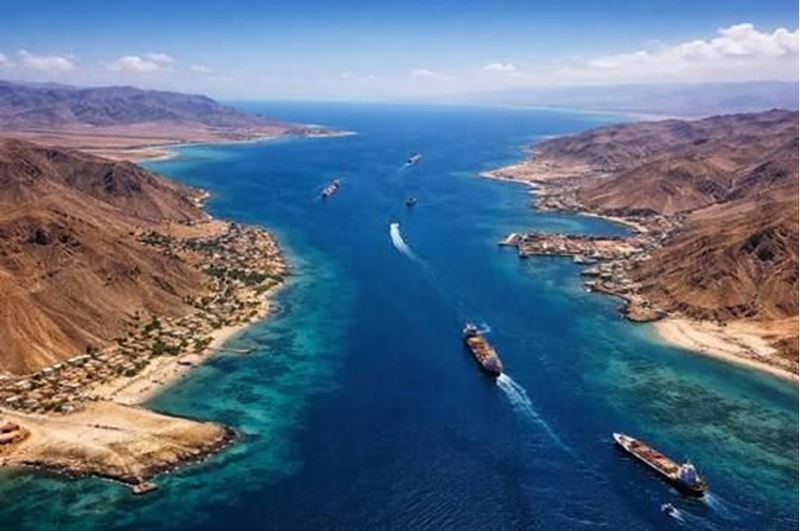
According to MarineTraffic data, a total of 39 vessels transited the Strait of Hormuz and Bab el-Mandeb Strait on August 2. The decline in vessel movements compared to previous days suggests that shipowners and maritime operators are closely monitoring the evolving security situation in the region.
Strait of Hormuz traffic falls to nine vessels
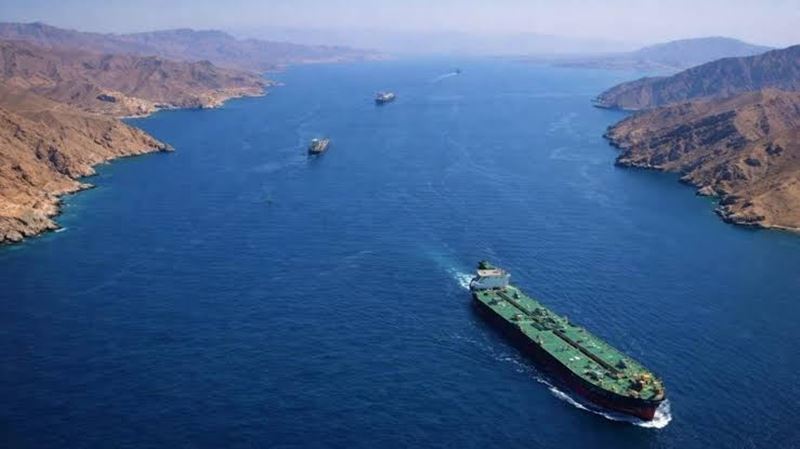
A total of nine vessels transited the Strait of Hormuz on August 2, one of the world's most critical chokepoints for global oil trade. The figure was down from 23 transits on July 31 and 11 on August 1.
Of the nine vessels, five were outbound from the Persian Gulf, while four were inbound. Seven vessels followed the navigation route unilaterally designated by Iran, while the routes of two vessels could not be identified. No vessel was recorded using the internationally recognized Hormuz Traffic Separation Scheme (TSS).
The data also showed that the vessels included two ships under international sanctions and two tankers associated with the so-called "shadow fleet."
Iran reiterates its position on navigation routes
As traffic data for the Strait of Hormuz were released, Iranian officials made new remarks regarding navigation routes through the waterway.
Major General Mohsen Rezaei, adviser to Iranian leader Ayatollah Mojtaba Khamenei and former commander of the Islamic Revolutionary Guard Corps (IRGC), said during a television interview that Iran would not allow any navigation route in the Strait of Hormuz other than the one designated by Tehran.
"We will absolutely not allow the opening of any route in the Strait of Hormuz other than Iran's designated route," Rezaei stated.
He also argued that the continued U.S. naval presence in the strait poses risks to American warships, claiming that if they were directed to the southern navigation corridor, they would become direct targets.
His remarks attracted particular attention as most vessels on August 2 followed Iran's designated route, while no transit was recorded through the internationally recognized Hormuz Traffic Separation Scheme.
Bab el-Mandeb traffic also declines
Vessel traffic through the Bab el-Mandeb Strait, which connects the Red Sea with the Gulf of Aden, also declined compared to previous days.
A total of 30 vessels transited the strait on August 2, down from 41 on July 31 and 37 on August 1.
Among these, 20 vessels were outbound from the Red Sea, while 10 were inbound. The records also identified one "dark transit" conducted without AIS identification signals, two transits involving sanctioned vessels, and three vessels linked to the shadow fleet.
Maritime industry continues to monitor developments
Despite ongoing diplomatic contacts, the United States, Iran, and Oman have yet to reach a lasting agreement on maritime security in the region. Iran's latest statements regarding navigation routes underscore the continuing uncertainty surrounding vessel transit procedures in the Strait of Hormuz.
International shipping companies continue to closely monitor security developments, vessel routing, and transit conditions in both the Strait of Hormuz and the Bab el-Mandeb Strait, given their critical importance to global energy transportation.
Meanwhile, reports indicate that Iran and Oman, the two coastal states bordering the Strait of Hormuz, are nearing an agreement on future transit arrangements through the waterway. A full reopening of the strait could immediately ease the political pressure on Donald Trump, as the prolonged conflict has weighed heavily on the U.S. administration. However, such an outcome could also raise concerns that Washington would, in practice, be acknowledging Iran's effective control over navigation through the strategic chokepoint.





Comments
No comment yet.