


The German Steel Association (WV Stahl) stated that while the programme includes several important measures, uncertainties remain regarding key industrial policy issues.
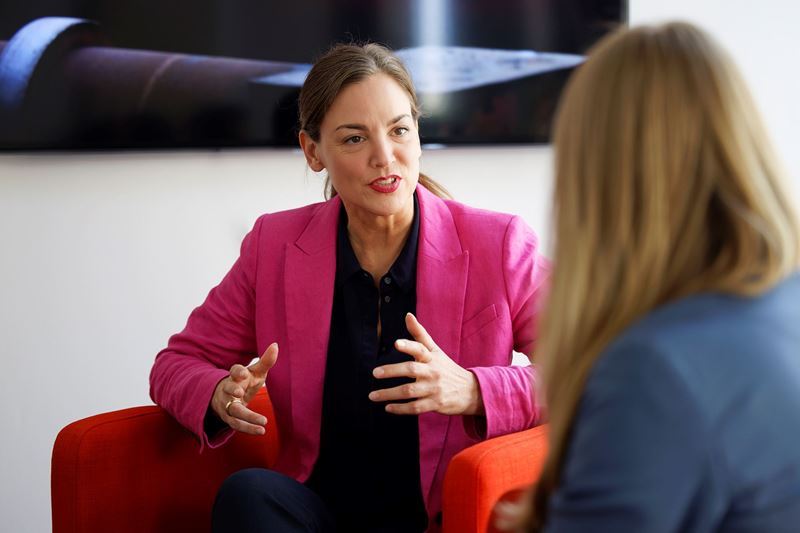
WV Stahl Managing Director Kerstin Maria Rippel welcomed the German government’s agreement on an action programme for the National Circular Economy Strategy following months of delay. She emphasized that the circular economy is already an established industrial practice within the steel sector rather than a future objective, highlighting its importance for competitiveness, raw material security, and climate protection.
Rippel noted that strategic goals must now be translated into concrete and binding measures. While the action programme identifies priorities such as an implementation platform for commercial vehicles, public procurement, critical raw materials, and amendments to the Circular Economy Act, she stressed that these initiatives require stronger commitments and clearer implementation frameworks.
According to the association, unlocking the full potential of the circular economy in the steel sector will require a mandatory monitoring system for scrap exports, improved investment conditions for modern sorting infrastructure and circular production capacity, and support for sustainable public procurement through a “Made in the EU” approach.
WV Stahl also argued that Germany should take a more proactive role in shaping European policy by advancing concrete proposals under the Circular Economy Act rather than waiting for EU-wide regulations. The association called for bolder national measures to ensure that circular economy objectives and industrial competitiveness progress together across Europe.



Comments
No comment yet.