


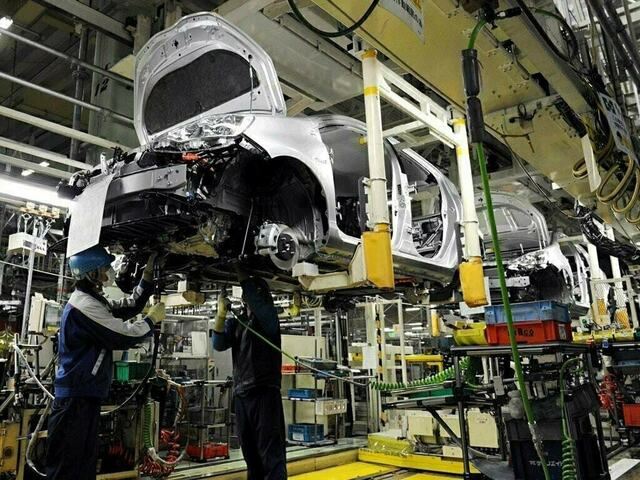
Automotive MMI (Monthly Metal Index) finished its sideways course last month with a decrease of 3.36%. Although all components of the index fell, the most notable decline was in hot-dip galvanized steel and many other types of steel. However, consumer buying needs to increase for an industry reversal to occur.
Overall, US auto sales had a bumpy performance throughout May compared to April. While automobile sales have increased compared to May 2022, the market is still under downward pressure due to higher interest rates and higher new vehicle costs.
US Auto Industry faces Suppressed Demands
Suppressed demand arises from consumers' desire to obtain products or services that they could not buy before. This purchasing incapacity is often caused by supply chain disruptions, economic downturns, or unfavorable market conditions. The auto industry in the US also continues to experience a subdued demand for new cars, due to the COVID-19 pandemic, the lack of semiconductor chips, and a drop in production due to factory closures. This is seen as the driving force behind the temporary increases in automobile sales.
Despite this pent-up demand in the US, there are several important reasons why car sales did not increase; The rising cost of new cars has made them out of reach for many consumers, causing demand to drop. Meanwhile, recent increases in mortgage rates and fuel prices continue to curb the remaining small demand.
Fluctuations in the Hot-Dip Galvanized Steel Market
Hot-dip galvanized sheet prices have recently fallen below the levels seen in early March. Rising infrastructure spending and automotive development have been key drivers for the steel industry, giving hope and supporting some bullish projections.
In 2022, the worldwide hot-dip galvanized steel market was worth 87,228.43 million USD. Currently, experts predict the industry will grow at a CAGR of 5.1%.
At the same time, hot-dip galvanized sheet prices have followed a flat course over the past month, standing at around $1,200 per short ton. Prices continued to decline after the year's initial price hikes implemented by steelmakers to maintain high prices. On the other hand, the decline in new car purchases continues to push down the prices of metals such as hot-dip galvanized.




Comments
No comment yet.