14,917.43 TRY BIST 100 BIST 100
6.67 CNY CNY CNY
53.23 EUR EUR EUR
45.24 USD USD USD
0.13 CNY CNY/EUR CNY/EUR
41.05 TRY Interest Interest
101.45 USD Fossil Oil Fossil Oil
6.19 USD Copper Copper
113.84 USD Silver Silver
110.37 USD Iron Ore Iron Ore
378.00 USD Shipbreaking Scrap Shipbreaking Scrap
6,838.76 TRY Gold (gr) Gold (gr)
112.00 USD Iron Ore 61% Fe Iron Ore 61% Fe

UK moves to tighten steel imports with higher tariffs and lower quotas

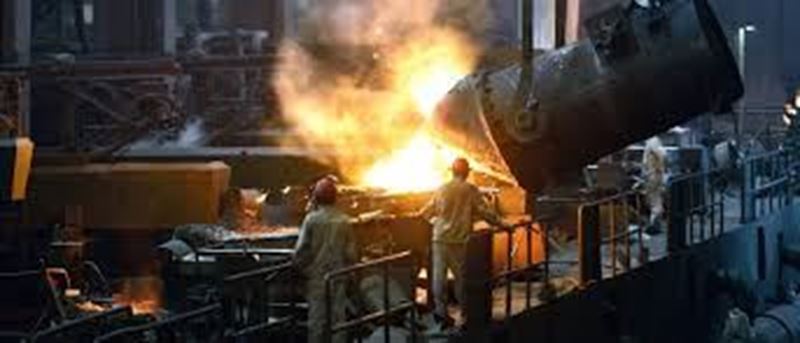
The UK government announced on Thursday that it will lower the duty-free quota limit on imported steel and double tariffs on imports exceeding this quota in order to protect its small but strategic and politically sensitive steel sector.

UK moves to tighten steel imports with higher tariffs and lower quotas

Under the government’s decision, the volume of steel that can be imported without paying customs duties will be reduced by 60%. Imports exceeding this level will be subject to a 50% tariff, double the previous 25% rate. The new regulation will come into effect on July 1, 2026.

The move aligns the UK’s tariffs with those of the United States and the European Union at a time when trade measures are increasing under US President Donald Trump’s “America First” agenda and global trade tensions are rising. The government will also allocate up to GBP 2.5 billion (USD 3.33 billion) through the National Wealth Fund to invest in the steel sector and aims to increase the share of domestically produced steel used in the UK from 30% to 50%.

Trade Secretary Peter Kyle stated that steel production in the UK is vital for national security, critical infrastructure and the economy, adding that the strategy aims to close the decades-long period of destructive deindustrialisation and focus on strengthening Britain as a steel-producing nation.

Unions and industry bodies welcomed the government’s measures. Despite accounting for only 0.1% of the UK’s economic output in 2024, the sector provides employment to 37,000 people, mainly in regions with industrial heritage that are considered strongholds of the Labour Party.

The country’s two largest steel producers have faced financial difficulties in recent years. Tata Steel shut down its blast furnaces in Port Talbot, while the government had to take control of British Steel to prevent the closure of the Scunthorpe plant owned by China’s Jingye, a move that resulted in significant costs.

Comments

No comment yet.

Only +plus subscribers can access this content.

SUBSCRIBE now to share your thoughts on the markets and get more comments.
SUBSCRIBE If you already have an account Sign In

Most read news

Vicky A. Mathur : Iranian supply disruptions tightened billet availability in Asia, increasing reliance on China

Thursday, May 7, 2026

Germany’s EUR 5 billion funding plan for industrial decarbonization projects approved

Thursday, May 7, 2026

Australia imposes 82% tariff on Chinese steel imports

Thursday, May 7, 2026

The countdown has begun for Steel Summit 2026!

Thursday, May 7, 2026

Kocaer Çelik increased its EBITDA margin to 14.1% despite challenging global conditions

Thursday, May 7, 2026
Follow List
Expand
Your watch list is empty

Add your favorite commodities for quick access and don't miss the latest price change news.


There are no news categories you follow
Edit Notification Preferences
E-bulletin subscription
Sign up to receive the latest news and daily iron prices by e-mail and sms
Become a Plus Subscriber Now!
Try it free for 3 days!
Subscribe Now
Neutral Prices
Be informed
Provincial Iron Prices
Comments and Analysis
Subscribe Now