


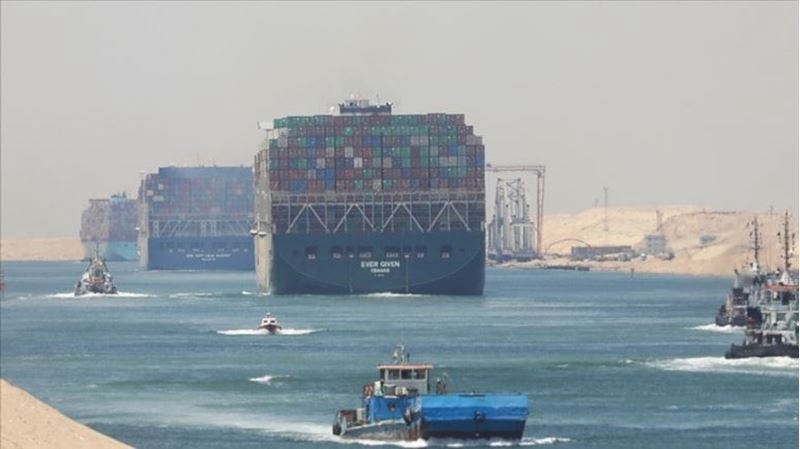
In a blog post published by the International Monetary Fund (IMF), it was stated that the attacks in the Red Sea disrupted global trade. In the article, it was stated that global trade has been disrupted in the past few months due to disruptions in two critical shipping routes, and it was noted that attacks on ships passing through the Red Sea have reduced traffic in the Suez Canal, the shortest sea route between Asia and Europe, through which about 15 percent of global maritime trade normally passes.
Some shipping companies have diverted their ships to the Cape of Good Hope, increasing delivery times by an average of 10 days or more and hurting companies with limited stocks, the article said. The article noted that the volume of trade in the Suez Canal decreased by 50 percent in the first two months of the year compared to the same period last year, while the volume of trade in the Cape of Good Hope is estimated to have increased by 74 percent in the same period.
Panama Canal is also alarming
The severe drought in the Panama Canal has also forced the authorities to impose restrictions that have significantly reduced daily ship transits since October last year, slowing maritime trade at the key point through which about 5 percent of global maritime trade passes, the article said. Trade volume in the Panama Canal has also fallen by almost 32 percent compared to last year, the article said.
In the first two months of the year, calls to 70 ports in Sub-Saharan Africa fell by 6.7 percent compared to last year, while in the European Union and the Middle East and Central Asia, they fell by 5.3 percent. These declines probably reflect the temporary effects of longer shipping times, the article said. The IMF's blog post warned that these disruptions, if they persist, could create temporary obstacles for some supply chains in the affected countries and put upward pressure on inflation, partly due to higher transportation costs.







Comments
No comment yet.