


Speaking to Oman Observer, Meranti CEO Dr. Sebastian Langendorf confirmed that the project is scheduled to be commissioned in mid-2029, with commercial operations expected to begin in early 2030 in line with agreements made with offtakers. Emphasizing that regional tensions will not affect the project timeline, the CEO stated, “No, not according to our current assessment.”
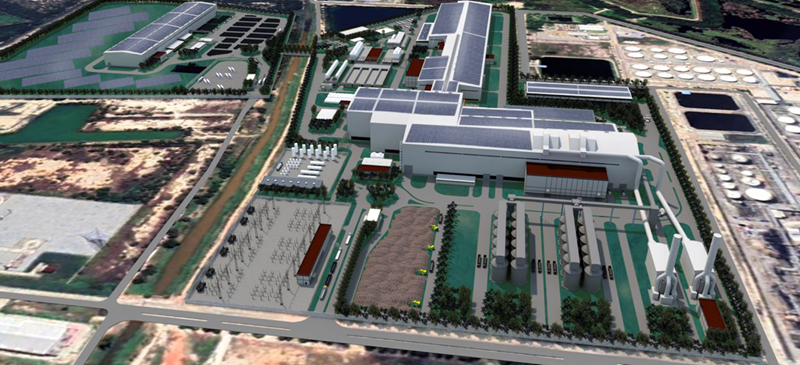
The facility to be developed in the Duqm SEZ will produce 2.5 million tonnes of hot briquetted iron (HBI) annually. The project is part of a broader cross-border strategy that separates iron and steel production, focusing on low-carbon HBI production in Oman and increased steel production in Thailand.
Initially, the Final Investment Decision (FID) was planned for mid-2026. However, Meranti has postponed this to the third quarter of 2026 to allow its international partners additional time to assess current regional conditions. Dr. Langendorf stated, “Oman, and Muscat in particular, continues to offer a stable, orderly, and peaceful business environment. This stability needs to be clearly communicated to international stakeholders especially large organizations with investment or credit committees and that takes time.”
The green iron facility will be developed on a 150-hectare site within Brazilian mining company Vale’s planned low-carbon steel mega hub in Duqm. The complex will supply green iron in the form of HBI for both regional and export markets.
Commenting on land leasing and engineering plans, Dr. Langendorf said: “Negotiations are ongoing to formalize the land lease. As part of the Duqm SEZ, the land has already been designated. We are completing all required documentation in close cooperation with the Public Authority for Special Economic Zones and Free Zones (OPAZ) and the Port of Duqm. The facility will be located within the Vale mega hub, and most of its raw materials will be sourced from Vale’s pelletizing plant in Sohar, with additional supply secured from other pelletizing partners if needed.”
Highlighting Oman’s natural advantages in securing offtake commitments, Langendorf noted: “Oman has remained unaffected by current geopolitical tensions, thanks to its excellent infrastructure and neutral production environment. The country’s mix of renewable energy and natural gas, supported by a pragmatic energy transition strategy, offers a flexible and competitive production platform—particularly for the gradual integration of hydrogen. Additionally, its strategic location facilitates efficient global logistics, making it an ideal production hub.”
The CEO added: “Meranti’s proven expertise in the sector and its track record of successfully delivering complex projects have further strengthened investor confidence. Our team has extensive experience managing large-scale projects in challenging environments, and our competitive, pragmatic commercial terms have generated strong interest in our product.”
The project site is located just 2–3 kilometers from the Port of Duqm, with material transport to be handled by electric trucks operated in partnership with existing commercial port and logistics providers. This approach will enhance operational efficiency while minimizing the carbon footprint.



Comments
No comment yet.