


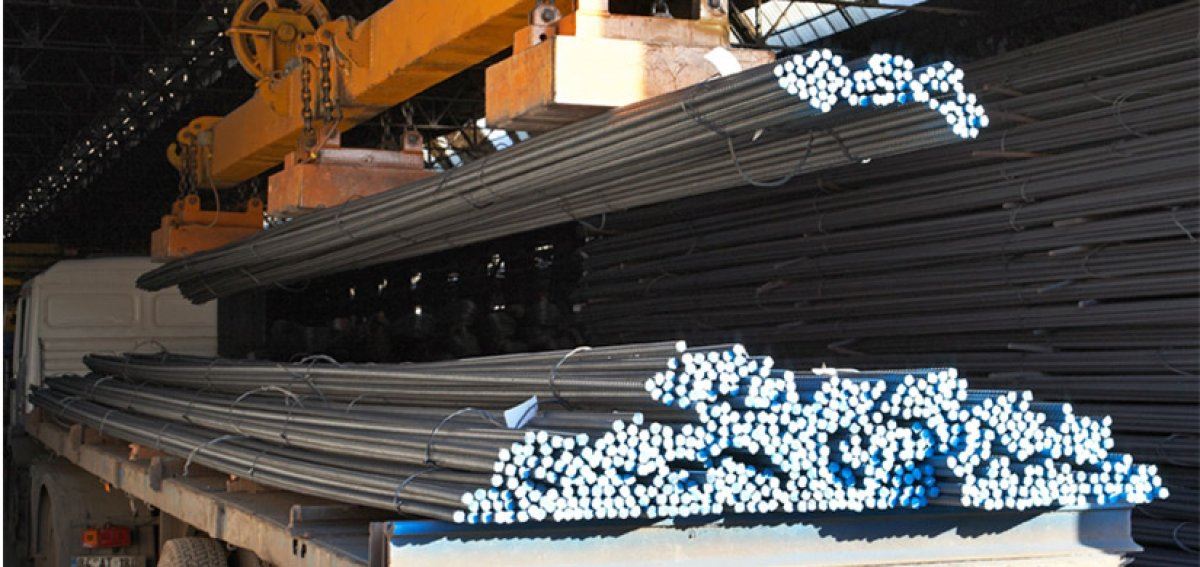
Pressure is mounting for Russia to ban the leading metal producer and its products, including nickel, manganese and aluminum, from trading on the London Metal Exchange (LME).
The metals market has been subject to wild fluctuations since the war began, with the base metals used in steelmaking (zinc, nickel and aluminum) rising between 10% and 30% a month ago due to supply uncertainty.
At its peak, nickel price jumped by nearly two-thirds in a few days at the beginning of March, jumping from US$29,800 per tonne to US$48,200 per tonne, and started to loosen in the following weeks.
Brent Curnow, managing director of local metal importer Tiger Steel, said the steep price increases at the start of the war were the largest they have seen in the past 15 years. The company supplies domestically to various bridge builders, roofing companies, tank manufacturers and construction firms.
Curnow said the price shocks caused steelmakers to temporarily halt their sales and that nickel was withdrawn from online auctions for two weeks. "Raw material prices were rising so fast that if they bid today, they could lose money tomorrow." commented.
Curnow said that despite the price hikes, demand is at its highest level it has ever seen. Customers have orders, they need to buy the steel to produce the products they make. He said demand is strong globally and companies are often in a race to get their orders as prices are rising day by day.



Comments
No comment yet.