


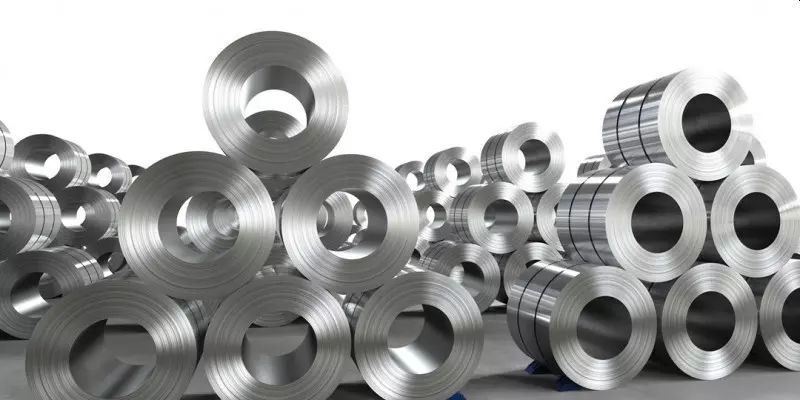
As of 2023, the steel industry ranks 6th globally with 67 million tons of crude steel production and 3rd in terms of export volume. However, this industry, known for its high carbon emissions, accounts for around 15% of the country's total carbon emissions. Therefore, reducing carbon emissions in steel production processes is critical to the sustainability of the industry.
POSCO, Hyundai Steel and other companies are focused on developing hydrogen reduction steel technologies to achieve their carbon neutrality goals. However, the development and commercialization of these technologies requires significant funding. POSCO's pioneering projects, such as POSCO's HyREX technology, are recognized worldwide as one of the most advanced steelmaking technologies, but face significant challenges in implementation.
The government continues to pursue its policy of developing low-carbon steel technologies, launched in 2017, but the budget for this remains limited. Most of the technology development budget is allocated to upgrading existing plants and there is no specific budget plan for the construction of new plants.
POSCO has yet to secure a significant portion of the financing needed to achieve carbon neutrality by 2050. The company has high investment requirements of 20 trillion won ($14 billion) for hydrogen reduction steelmaking technology and 1.8 trillion won ($1.3 billion) for smaller-scale demonstration plants.
However, in order to remain internationally competitive, South Korea needs to provide greater government support for carbon neutral projects in the steel industry, as other countries are actively promoting. In particular, countries such as Japan have allocated significant budgets to promote the use of hydrogen in steelmaking processes.
South Korea's move towards carbon neutrality in the steel sector will require it to tackle challenges in technology and financing. Industry representatives and experts say the government needs to strengthen its policies and support mechanisms in this area.





Comments
No comment yet.