


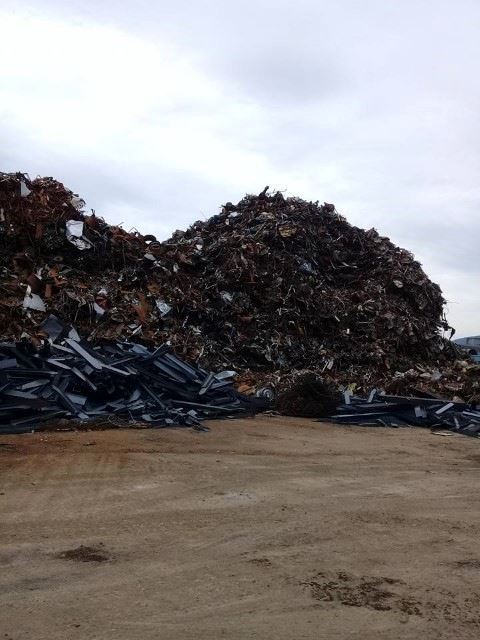
Rolf Willeke, statistical adviser to the International Bureau of Recycling (BIR) Iron Division, says that around 630 million tons of steel scrap is recycled every year around the world, avoiding about 950 million tons of CO2 emissions and "making a decisive contribution to climate protection". He added that the annual CO2 emission savings in the use of scrap in the foundry industry is over 1 billion tons.
Willeke also emphasized that in the first six months of 2021, China's steel scrap consumption rose by 47.1 percent to 137.95 million tons, reflecting the target of reducing CO2 emissions from crude steel production through increased steel scrap use, announced in China's latest Five-Year Plan.
China led the world in consumption of around 240 million tons of steel scrap in 2020, and that figure could potentially double over the next 30 years, according to Dr Steven Vercammen, senior information specialist at management consulting firm McKinsey & Company.
Dr. In his presentation of a Ferrous Section webinar on "decarbonising the steel industry and its impact on the steel recycling industry," Vercammen argued that the pressure to reduce carbon emissions will create a "huge opportunity" to grow scrap's raw share in current steel production. Materials on average over 30 percent available. According to him, the main challenges are to remove more scrap from the system and improve quality.
Dr. Scrap prices, which traditionally follow the trends of iron ore and coking coal, are likely to be disconnected due to "all this pressure of decarbonization and the importance of using more scrap to reduce CO2 emissions," Vercammentold said in the webinar.
"China is moving towards using a higher percentage of scrap and reducing the percentage of steel made from iron ore," said Scott Newell, president of Newell Recycling Equipment and vice president of China Recycling Newell Equipment. “A few years ago, there was concern that China could become a major scrap exporting country with the effect that it would hurt scrap prices worldwide. The opposite is happening. China will have to import scrap instead of iron ore.
In a series of market reports, George Adams of SA Recycling claimed that US mills "continue to make record profits at the wide margins between scrap and new steel prices." Except for unforeseen events, "The US scrap market can be expected to remain stable and range-bound until the end of 2021, with continued logistical delays and steady demand for new steel."
Reporting on market conditions in Europe, Denis Reuter of TSR Recycling in Germany said the outlook for the rest of the year looks "difficult" as cuts of 15 to 20 percent in steel production are projected for this period in response to rising energy prices.



Comments
No comment yet.