


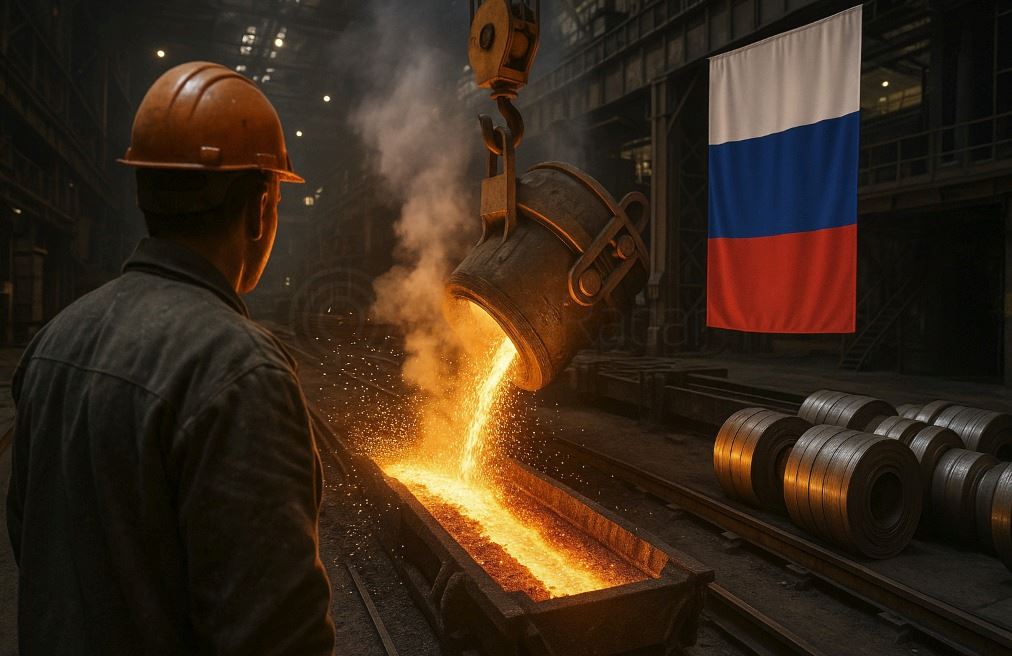
The flat steel market maintained its upward trend following mill price increases announced for July. Distributors gradually lifted hot-rolled coil (HRC) prices in the spot market, although the pace of growth was considerably slower than that seen in long products. Market participants reported no significant oversupply, while demand remained stable enough to support further price increases. Steel producers also noted that apparent steel consumption has slightly exceeded earlier expectations, supported by government spending aimed at stimulating economic activity. Additional demand is believed to be coming from unexpected infrastructure repairs and increased security-related construction projects.
The long steel segment remained the strongest performer. Rebar prices in Moscow climbed sharply at the beginning of July, with offers returning to and, in some cases, exceeding levels last seen in the summer of 2024. The price rally has occurred despite relatively modest apparent consumption. Demand has improved compared to the weak spring period but remains far from robust. Limited inventories and restrained purchasing have prevented oversupply, allowing producers to maintain higher price levels.
Market sentiment remains divided regarding the outlook. Some participants expect favorable conditions to continue through the remainder of the summer, while others anticipate a correction as early as August. Concerns persist that tighter monetary policy from the Central Bank could weigh on economic activity outside government-supported sectors, limiting steel demand later in the year. Nevertheless, current purchasing patterns remain stable, with buyers continuing to procure material mainly according to immediate project requirements rather than building inventories.
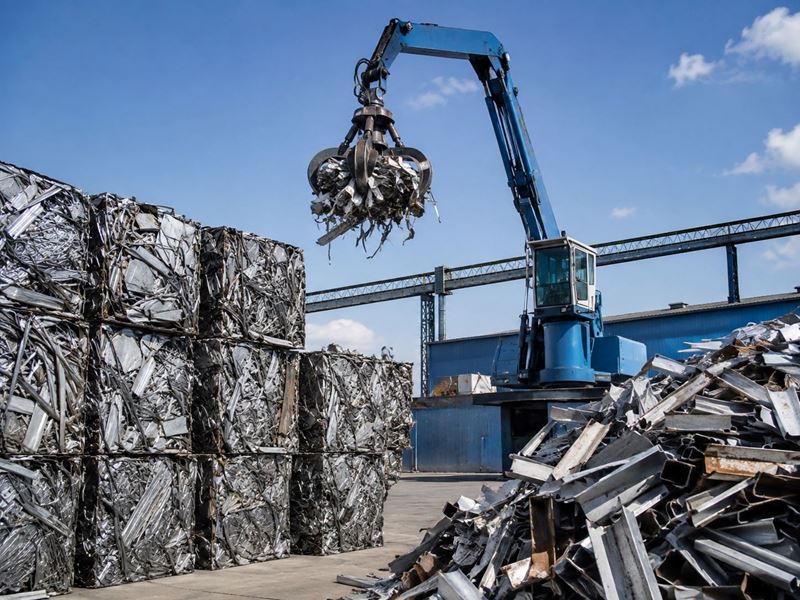
The Russian scrap market also strengthened during the period. Ferrous scrap prices reached RUB 18,250/t by the end of June, the highest level recorded in the past year, after rising steadily since early June. The increase was driven by stronger procurement activity from steelmakers, which intensified competition for available scrap supplies. Compared with the same period last year, scrap prices were approximately 13% higher. However, market participants remain cautious about the longer-term outlook, with many expecting prices to correct by the end of the third quarter as seasonal demand weakens.
Overall, Russian steel prices remained largely stable during 6–10 July, supported by firm domestic fundamentals, limited inventories, and the absence of oversupply. While export markets continue to offer limited support, the domestic market has remained comparatively resilient. The near-term outlook remains cautiously positive, although much will depend on future monetary policy decisions and the sustainability of government-backed demand.





Comments
No comment yet.