


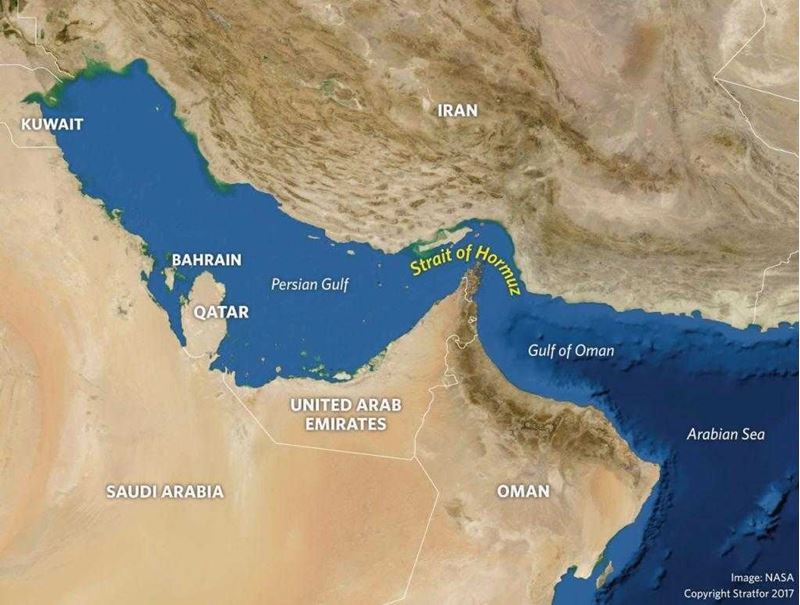
Rising security risks are slowing tanker traffic, while energy shipments are being redirected to alternative routes. Developments are creating new uncertainty in the steel industry through higher energy and raw material costs.
Tanker traffic slows in the Strait of Hormuz
In recent days, tanker traffic through the Strait of Hormuz has slowed significantly as security risks have increased. A number of oil tankers are reported to be waiting to pass in the Persian Gulf.
Considering that around 20 percent of global oil trade passes through this strait, disruptions could lead to serious fluctuations in energy markets.
Risk of attacks on commercial ships increases
Another development raising security concerns in the region is reports that a tugboat near Hormuz was hit by unidentified projectiles. Maritime security authorities are investigating the incident, while the risk level for commercial vessels is said to be rising.
This development could increase war-risk insurance costs in maritime transport and lead some ships to act more cautiously about passing through the area.
Oil shipments shift to alternative routes
Due to the growing risks, some energy producers have begun changing their shipping routes. Saudi Arabia’s energy company Saudi Aramco has redirected some oil shipments from the Persian Gulf to the Red Sea route via Yanbu.
However, experts point out that the capacity of this alternative route may not be enough to handle the total volume of shipments that normally pass through the Strait of Hormuz.
Attack threat in the Red Sea returns
The Houthi movement operating in the region has again raised the threat of attacks on commercial ships. This development has placed two of the most critical maritime trade passages under risk at the same time.
Global freight costs rise
Because of increasing security risks, some major container lines have started redirecting ships to alternative routes that pass around the south of Africa.
Global shipping companies such as Maersk, CMA CGM, and Hapag-Lloyd have begun running some voyages via the Cape of Good Hope.
This situation extends delivery times on the Asia–Europe route by around 10–14 days and is also pushing freight and insurance costs higher.
Possible effects on the steel industry
These developments in maritime trade also carry important risks for the steel sector. Rising energy prices and higher freight costs could increase steel production costs.
In addition, possible disruptions in raw material trade between the Middle East and Asia could create new fluctuations in the global steel supply chain.




Comments
No comment yet.