


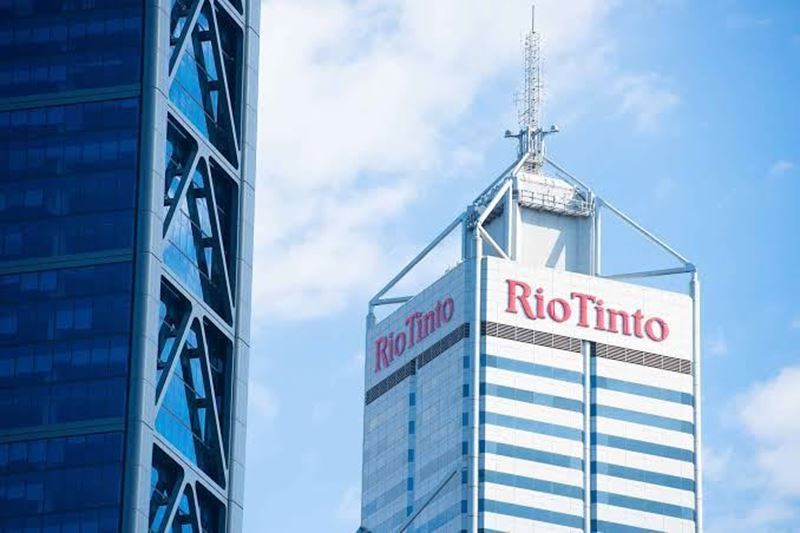
Under the agreement, Tomago Aluminium will sign a 10 year power purchase agreement (PPA) to meet the facility's electricity needs through 2038. The PPA will take effect after the current electricity supply contract expires on December 31, 2028, and the facility is expected to source 100% of its electricity from renewable sources from 2033.
Under the new agreement, Tomago Aluminium will make real investment of AUD 1.1 billion in the facility through 2038. Of this amount, AUD 100 million will be allocated to decarbonization initiatives. The facility will also continue providing demand response services to the New South Wales electricity system.
Rio Tinto Aluminium & Lithium CEO Jérôme Pécresse stated that the agreement secures the long term future of Tomago Aluminium, adding that it will support production in Australia, skilled employment and the Hunter region while ensuring supply security for the facility's global customers.
Pécresse said the agreement will protect Australia's critical manufacturing capacity and enable Tomago Aluminium to continue producing aluminium competitively to meet the needs of the global energy transition.
Annual emissions reduction of 7.1 million tons from 2033
Rio Tinto stated that once Tomago Aluminium's electricity needs are fully supplied by renewable sources from 2033, the facility's operational Scope 1 and Scope 2 carbon emissions will decrease by 7.1 million tons annually.
As the largest electricity consumer in New South Wales, Tomago Aluminium will also continue providing large scale demand response capacity by reducing electricity consumption during periods of increased pressure on the system. According to the company, this practice will improve the reliability of the electricity system while supporting the integration of more renewable energy into the grid.
The agreement follows an agreement reached in March 2026 between Rio Tinto, the Australian Federal Government and the Queensland Government to ensure the long term and internationally competitive operation of the Boyne aluminium smelter after its existing electricity contract expires.
As a result, a roadmap has been established for long term, competitively priced and low carbon electricity supply for Australia's two largest aluminium smelters, Tomago and Boyne, following the expiration of their existing electricity contracts.
Tomago accounts for around 40% of Australia's aluminium production
Established in 1983, Tomago Aluminium has the capacity to produce up to 590,000 tons of aluminium annually. This represents approximately 40% of Australia's annual aluminium production.
Located in Tomago, approximately 13 kilometers west of Newcastle in New South Wales, the facility directly employs around 1,000 people. It also has approximately 200 full time equivalent contractor employees and supports around 5,000 indirect jobs.
Tomago Aluminium is an independently managed joint venture. Rio Tinto holds a 51.55% stake, Gove Aluminium Finance Ltd holds 36.05%, and Norsk Hydro holds 12.4%.
Rio Tinto continues its efforts to achieve its target of reducing Scope 1 and Scope 2 emissions by 50% from 2018 levels by 2030. The company stated that achieving the 2030 target will depend on renewable energy projects being commissioned on schedule and the outcome of ongoing commercial negotiations.



Comments
No comment yet.