


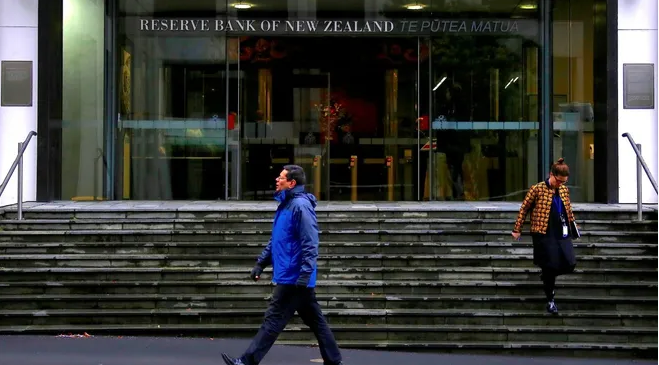
The Central Bank of New Zealand, whose board of directors will meet on Wednesday this week, is expected to be the first bank to raise interest rates among major central banks that have undergone an unprecedented easing in monetary policy after the COVID-19 crisis hit economies.
After the very strong employment data, the expectations for the bank to realize the first rate hike since mid-2014 have become even stronger. Unemployment data announced in the first week of August decreased to 4 percent in the quarter ending in June. Economists expect the unemployment rate to fall to 4.5 percent from 4.6 percent in the previous quarter.
The Reserve Bank of New Zealand cut interest rates by 75 basis points to 0.25 percent in 2020, and even negative interest was discussed as a possibility.
It is stated that the Central Bank of Norway may also give a message that it can increase interest rates at the meeting in September at the interest rate meeting to be held on Thursday.
While the discussions about when the US Federal Reserve (Fed) will reduce its asset purchase program (tapering) continue to be the most important development in global markets, New Zealand and Norway are expected to be the two largest economies among the G10 economies that are on the path of tightening again.






Comments
No comment yet.