


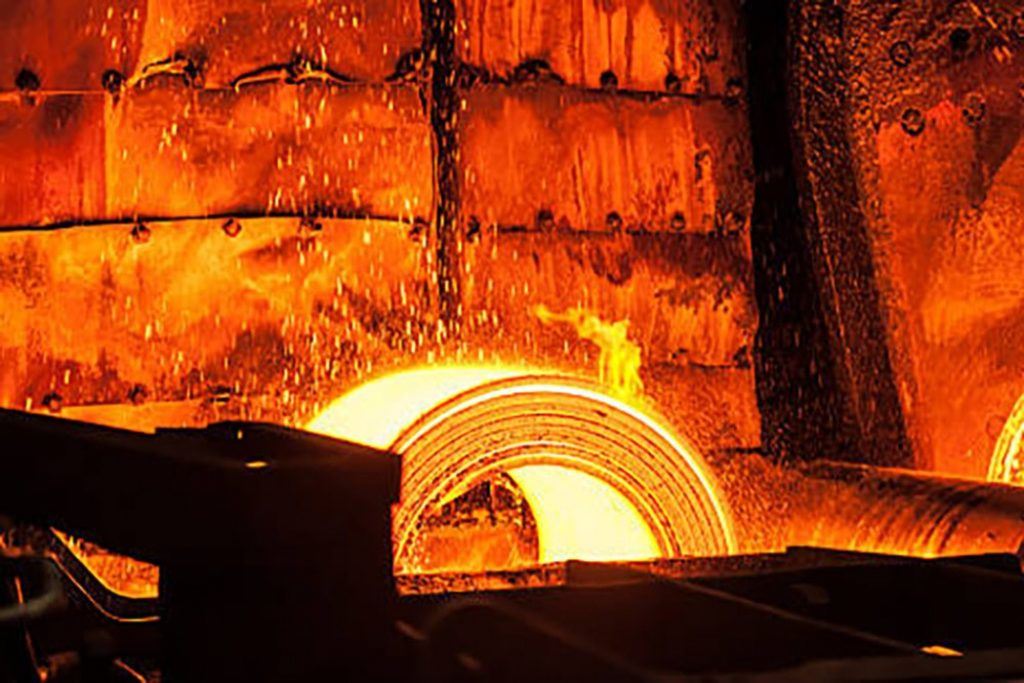
According to World Steel Association data, crude steel production in the Middle East fell by 27.6% year-on-year to 3.7 million tons in April 2026. In the January–April 2026 period, production also declined by 12.8% to 16 million tons. This decrease was driven mainly by regional logistical disruptions and production interruptions.
Despite this, capacity expansions in the region continue to attract attention. Total steel production capacity stood at 89 million tons in 2021 and increased to 96.2 million tons in 2025. In the long term, this growth is mainly supported by natural gas–based direct reduced iron (DRI) production. Iran and several other Middle Eastern countries hold a strategic position in global DRI output. According to current investment plans, regional capacity is expected to reach 110.3 million tons by 2028.
Hormuz Strait Impact and Price Pressure
Recent disruptions in the Strait of Hormuz have placed significant pressure on direct reduced iron (DRI) plants. According to market sources, some facilities saw production drop to minimal levels, while raw material supply and shipment processes experienced notable delays. These disruptions in DRI supply have caused bottlenecks across the overall production chain, negatively affecting regional flows.
Although the reopening of the Strait of Hormuz is considered a positive development for regional steel producers, market participants note that full normalization of logistics chains and production activities will take time. Meanwhile, weak regional demand and expectations of rising supply are adding further pressure on steel prices. Market sources indicate that the combination of supply-side recovery and subdued demand is likely to keep prices under pressure in the short term.



Comments
No comment yet.