


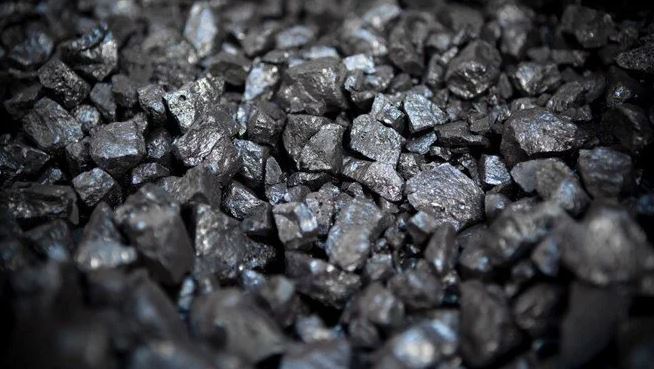
China produces more than half of the world's steel and therefore makes its economic conditions uncontroversial to appear as the raw material of steel. It also continues to hold this position as it buys more than 70% of the volume of iron ore.
The price of iron ore contracts settled in Singapore increased uniquely during the day to end at 113.42 USD on Wednesday, but meanwhile rose 10.8% from this year's low of 102.33 USD on 5 May.
The first drop came when the Central Bank of China cut its effective lending rate for the first time in 10 months, cutting the seven-day reverse repo rate by 10 basis points to 1.90%. The prediction that other lending rates will decrease with this decline indicates that Beijing has taken an initiative to mobilize the real estate sector in China, which is melting day by day.
The front-month Dalian contract rose 1.5% on a day-to-day basis at 804 yuan (112.29 USD) on Wednesday and closed 17.8% above the year's closing low of 682.5 yuan on May 25.
In addition, the decrease in stocks at Chinese ports; It clearly shows that there are supports for the iron ore price. Port inventories in China fell from 126.9 million the previous week to 126.2 million mt in the week of June 9, the lowest level since the summer of the previous year. However, in the same week last year, the stock situation was 128.3 million mt, or 1.6% above the level. Even if this situation does not show a serious annual decrease, it shows that steel producers keep their imports at a high level and there is room to keep their stocks more comfortably. Again, the increase in production rates by steel producers can be seen as another example of increase.
CURRENT ECONOMIC DATA AND FORECASTS
According to the information provided by the National Bureau of Statistics on Wednesday, industrial production increased by 3.5% in May compared to the previous year. In addition, it was shared that the 5.6% increase in April fell back.
Retail sales, which were at the top in the Chinese market, fell short of the forecast in the first quarter and increased by 12.7%. In April, it was recorded that it decreased from 18.4%.
While it is likely that a Beijing-based stimulus measure will be expected by investors, this incentive may need to translate into real steel demand in the coming period.





Comments
No comment yet.