


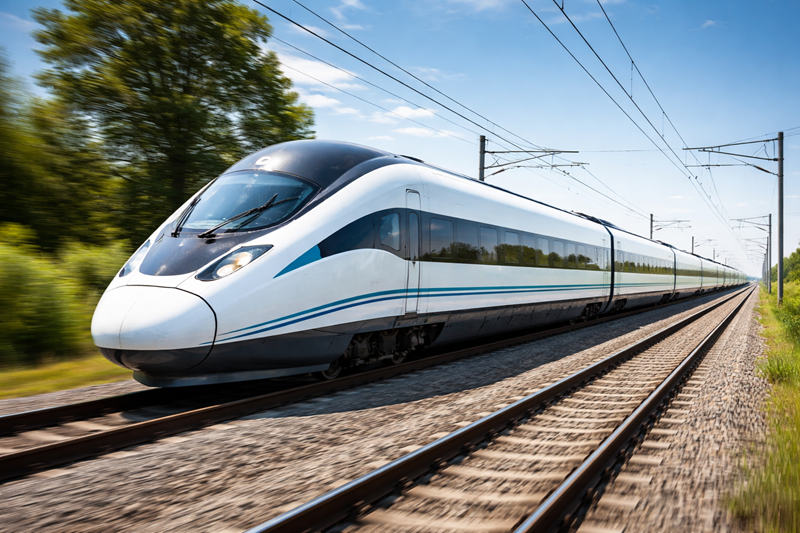
It was announced that the line, which will start from Nurdağı district of Gaziantep and extend to Kahramanmaraş, will be connected to the planned 235 kilometer Malatya–Narlı–Nurdağı High-Speed Train Project.
Minister Uraloğlu stated that project work is ongoing for the Nurdağı–Kahramanmaraş high-speed rail connection, which is planned to be 49 kilometers in total length. He noted that once the studies are completed, the line is expected to be included in the investment program and the construction phase will be initiated.
Uraloğlu explained that the line will be built to accommodate both passenger and freight transportation. Designed as a double track, electrified, and signaled line suitable for an operating speed of 200 kilometers per hour, the project aims to enable Kahramanmaraş’s production capacity to reach broader markets. He added that via Nurdağı, the line will connect to the Mersin–Adana–Osmaniye–Gaziantep High-Speed Train Line, integrating Kahramanmaraş with Eastern Mediterranean ports and major trade corridors.
Highlighting that the project will make significant contributions particularly in terms of industry and logistics, Uraloğlu said it aims to transport a wide range of products especially textiles, yarn, food products, and construction materials produced in Kahramanmaraş Organized Industrial Zones to the ports of Mersin and İskenderun by rail. This is expected to reduce logistics costs and enhance the competitiveness of regional industrialists.
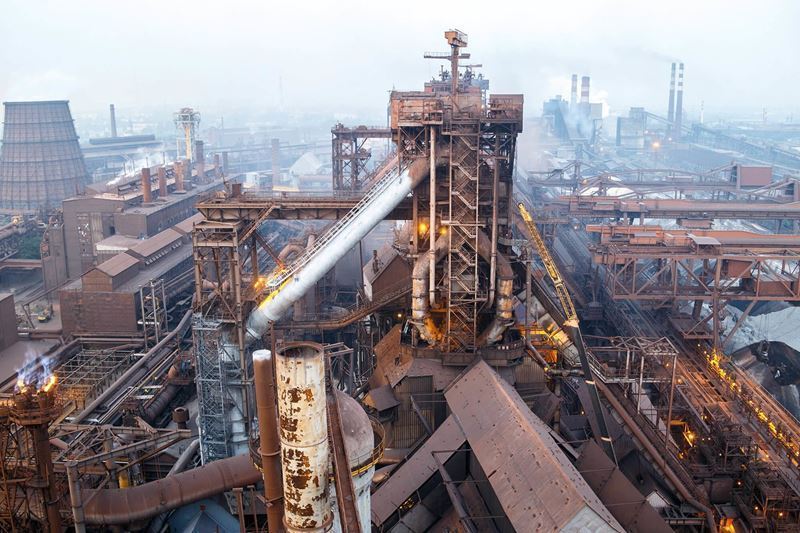
Uraloğlu also stated that iron and chrome ore produced in the region are planned to be transported via railway to İskenderun Port for shipment to international markets. He stated that Kahramanmaraş is expected to become one of the cargo collection, transfer, and distribution centers between the Eastern Anatolia, Mediterranean, and Southeastern Anatolia regions.
Emphasizing that strengthening railway infrastructure will support the industrial, agricultural, and logistics sectors, Uraloğlu underlined that the project will contribute to employment and regional development in the long term. With the expansion of rail transport, heavy vehicle traffic on highways is expected to decrease, easing the burden on urban and regional transportation. The strengthened logistics infrastructure is also anticipated to attract new industrial investments, as well as warehouse and logistics facilities, to the city.
Sourced by:AA (Anadolu agecy)





Comments
No comment yet.