


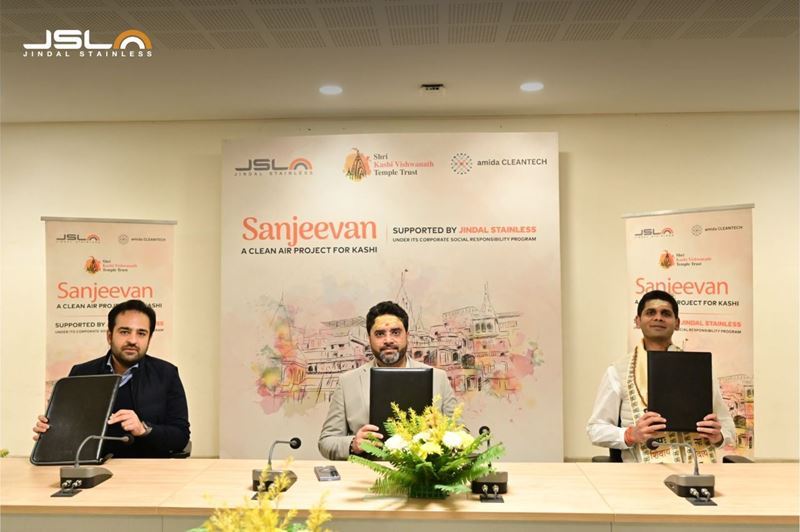
The project, implemented in collaboration with Amida Cleantech Private Limited (AMIDA), involves the deployment of the company's developed ACE+ ambient air purification technology. This initiative is being carried out in alignment with the National Clean Air Programme launched by India's Ministry of Environment, Forest and Climate Change. The system is being installed in the Rampa Building within the SKVD complex, adjacent to the cremation grounds at Manikarnika Ghat, with the aim of purifying emissions released from the site. Implementation commenced following approval from the SKVD Authority.
AMIDA's ACE+ technology has been tested and validated by various public institutions. Operating on a "Draw, Capture, and Destroy" principle, the system can capture and neutralize particles ranging from 100 nanometers to 50 microns in size, including nano black carbon, pollen, and organic matter present in ambient air. Additionally, it aims to create a cleaner air environment by neutralizing harmful gas emissions such as SOx and NOx, as well as microbial contaminants like viruses and bacteria.
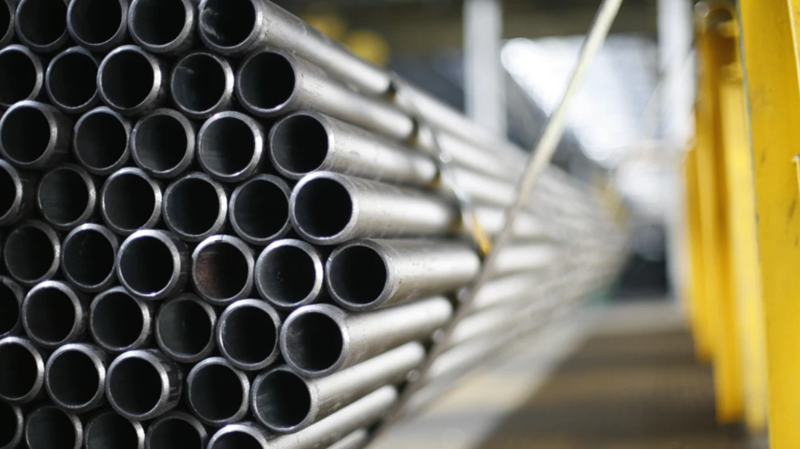
As part of this environmentally friendly project, 58 air purification units made of stainless steel have been installed. These units reportedly have a combined capacity to purify over 300,000 cubic meters of air per hour.
In a statement, Jindal Stainless emphasized that the initiative aligns with the company's commitment to environmental protection, noting that improving air quality at Shri Kashi Vishwanath Dham is significant both for local residents and the millions of visitors to the region. The collaboration with AMIDA was highlighted as demonstrating support for indigenous technologies and a commitment to delivering tangible environmental benefits.
AMIDA stated that its ACE+ technology, developed in pursuit of sustainable clean air goals, plays a critical role in combating rising air pollution. The company explained that it focuses on developing solutions to reduce ambient air pollution across various sectors.
The project's primary objective is described as capturing a significant portion of emissions originating from the Manikarnika Ghat cremation center and reducing particulate matter levels along the corridor extending to the temple complex. This aims to ensure healthier air quality for pilgrims, worshippers, and local residents, while also minimizing potential damage to the exterior surfaces of structures.
Founded in 1970, Jindal Stainless reported revenue of 40,182 crore INR (approximately $4.75 billion) in fiscal year 2025. The company plans to increase its annual melting capacity to 4.2 million tons by fiscal year 2027. With a total of 16 production and processing facilities across India, Spain, and Indonesia, the company aims to reduce greenhouse gas emissions in stainless steel production by utilizing scrap-based electric arc furnace methods.




Comments
No comment yet.