


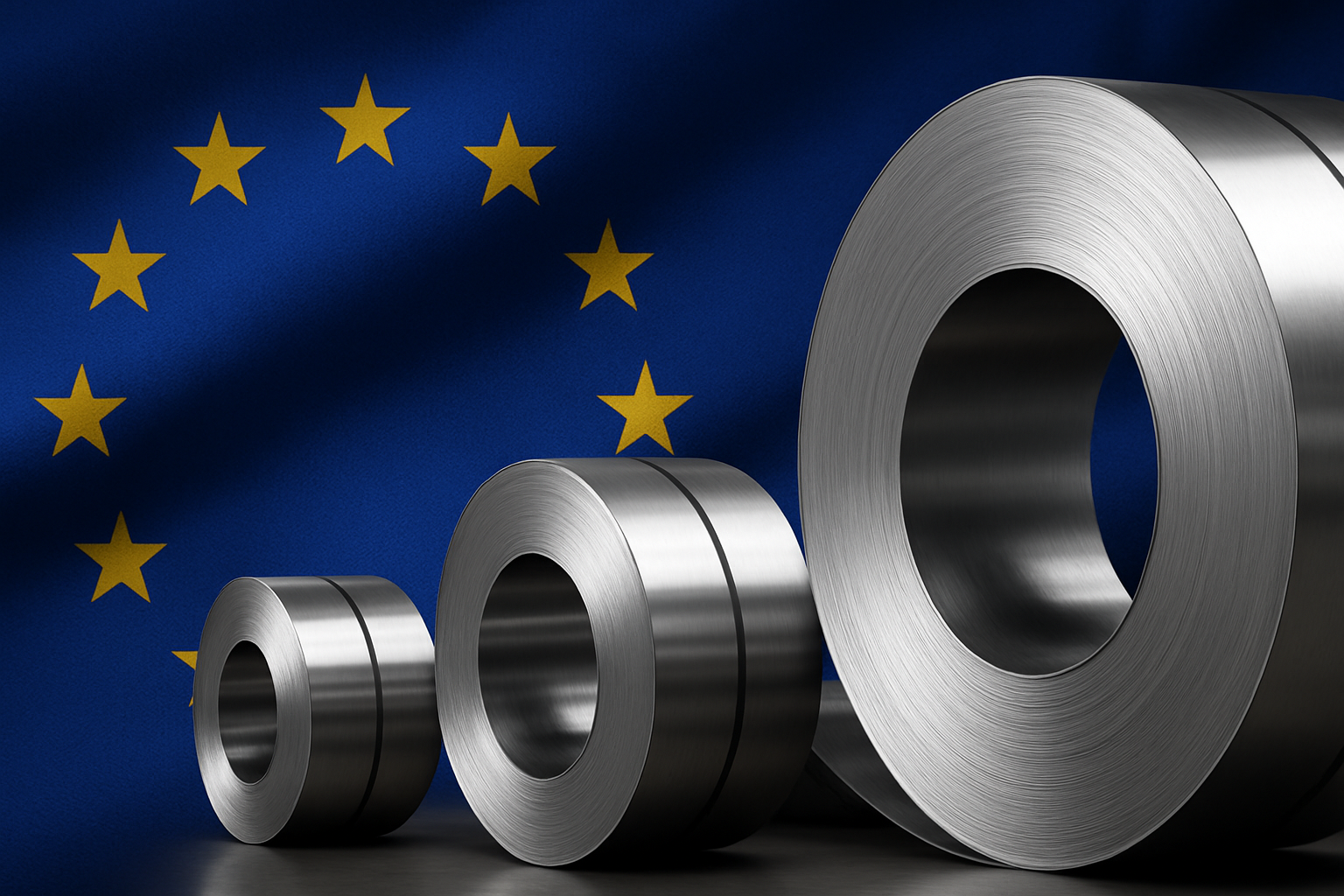
According to data provided by the World Stainless in June, the European stainless steel sector managed to increase production by just 1.5% to 6.088 million tons in 2024, then began 2025 with an almost 2% decline in the first month. In the first three months of 2025, stainless steel production in Europe, including Ukraine, reached 1.608 million tons. This represents a 15.4% increase compared to the previous quarter and a 2.9% rise compared to the same period last year.
Although there was limited improvement in production during February and March, weak end demand prevents this recovery from becoming sustainable. Particularly in the flat products segment, order books remain weak and lead times have shortened. Many producers speaking to SteelRadar stated that they operated below capacity during the first half of the year.
The long products segment, including bars and profiles, has shown a relatively stable course since the beginning of the year. However, this “stability” points to limited demand levels. Market sources emphasize that meaningful revitalization in this segment requires new projects and demand catalysts.
Macro Conditions Improving, but Sector Remains Cautious
The European Central Bank’s interest rate cuts and a decrease in energy prices have somewhat alleviated cost pressures on the sector. While industrial production shows signs of recovery, weakness in external orders and employment decline are limiting this rebound.
Cold-rolled stainless steel prices, which stood around €2,400/t at the end of 2024, fell to approximately €2,310/t by May 2025. In June–July, however, prices fluctuated between €2,400/t and €2,500/t. Since the start of the year, prices have fluctuated within a limited range of $50 to $100. Low order volumes and ongoing import pressure are preventing prices from recovering in the short term.
With the U.S. reapplying Section 232 tariffs at the start of 2025, Asia-based producers have turned their focus to the European market. Aggressively priced products from India and Indonesia have intensified competition.
CBAM Impact and Trade Measures Coming into Effect
While the Carbon Border Adjustment Mechanism (CBAM) is expected to be fully implemented in 2026, the European Commission introduced new import control measures in March 2025. Stricter quota management, country-based monitoring, and raising exemption thresholds for small importers aim primarily to reduce the competitive advantage of high-emission suppliers. Accordingly, imports of high-nickel-content stainless steel products from Indonesia decreased in 2025.
Additionally, rising protectionism in the U.S. poses a significant risk to Europe’s key export channel. Although alternative markets are being sought, replacing the U.S. under current trade conditions appears challenging.
Market Quiet, Expectations Shifted to 2026
As the summer months continue, a general quiet prevails in the sector. Market representatives report no significant movements currently and have postponed their expectations to the first quarter of 2026. While there is cautious optimism that September 2025 might see some activity, it remains unclear whether this will be a demand-driven recovery or merely a temporary boost due to stock replenishment.




Comments
No comment yet.