


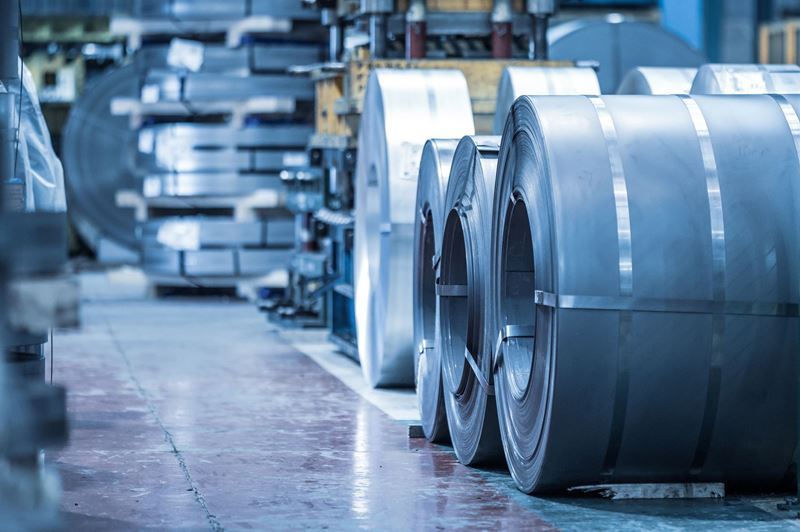
The mandate document published by the Council sets out a balanced framework that aims to provide a high level of protection for the European steel industry—considered strategically important for the EU’s economy and security—while also ensuring flexibility and predictability for downstream sectors that rely on steel.
Danish Minister for Industry, Business and Financial Affairs Morten Bødskov stated that the adopted mandate clearly underlines the vital importance of the European steel industry, stressing that global overcapacity—having reached unsustainable levels—has had severe negative effects on the EU steel market. Bødskov emphasized that the new regulation is intended to offer strong protection for European producers, while at the same time preserving sufficient flexibility so as not to undermine the competitiveness of steel-using downstream industries. Highlighting the importance of implementing the new framework before the current safeguard measures expire, he added that the Council is ready to start negotiations with the European Parliament as soon as possible.
Sharp reduction in import quotas
According to the mandate, tariff-rate quotas for duty-free steel imports would be reduced to 18.3 million tonnes per year, representing a cut of around 47% compared with 2024 quota levels. In addition, the out-of-quota duty, currently set at 25%, would be increased to 50%. Through these measures, the Council aims to strengthen protection of the EU market against the negative effects of global overcapacity.
Flexibility for downstream sectors
The new framework seeks to strike a balance between protecting steel producers and safeguarding the economic interests of steel-using industries. To this end, the Commission would be required to explicitly assess the overall interests of the EU and the situation of end users when allocating tariff-rate quotas or considering possible quota adjustments. The framework also introduces operational flexibility by allowing unused quotas from one quarter to be carried over to the next quarter within the same annual period. When modifying quotas, the potential impact of price increases that could seriously weaken the competitiveness of downstream sectors must also be taken into account.
Introduction of melt and pour requirement
To prevent circumvention and enhance supply-chain transparency, importers will be required to document the country where melting and pouring operations took place. This obligation will enter into force on 1 October 2026. Within two years, the Commission will assess whether this criterion should become a core element of country-specific tariff-rate quota allocations; if deemed necessary, it may submit a new legislative proposal.
Pressure from global overcapacity
The EU steel sector remains under intense pressure from global overcapacity, which is expected to reach 721 million tonnes by 2027—more than five times the EU’s annual steel consumption. Rising imports, capacity utilization rates falling to 67% in 2024, high production costs and trade restrictions are also threatening the sector’s long-term decarbonisation investments. Since 2007, the EU has reportedly lost around 65 million tonnes of steelmaking capacity and up to 100,000 jobs.
Once the European Parliament adopts its own position, negotiations between the two institutions will begin on the final text of the regulation. Following its adoption and publication in the Official Journal, the regulation is expected to enter into force.




Comments
No comment yet.