


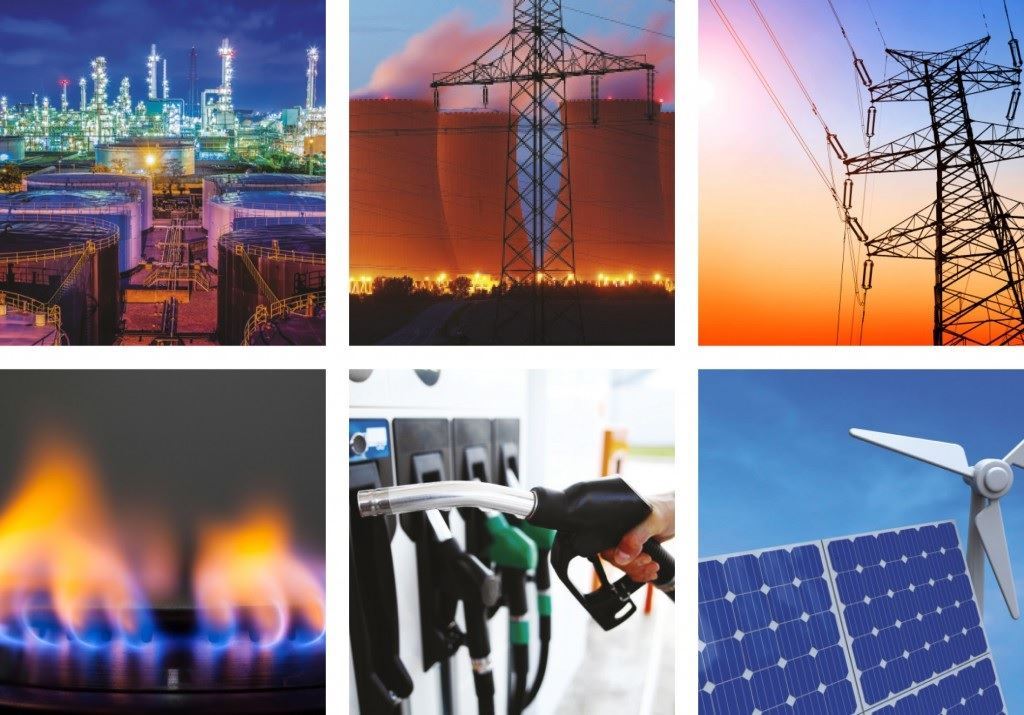
European energy prices have soared to multi-year highs in recent weeks.
While energy analysts warn that market tension will continue throughout the winter, the record in energy prices is not expected to end anytime soon.
"Europe's shortage of energy supplies is putting the market on edge as winter approaches," said Stefan Konstantinov, senior analyst at ICIS Energy, a commodity intelligence service.
Natural gas and electricity cost increased in Europe
In the Netherlands, the gas price in October reached a record level of 79 euros per megawatt-hour.
Comparative electricity contracts in France and Germany doubled.
In the UK, where electricity bills are now the most expensive in Europe, electricity prices have soared due to the country's high reliance on gas and renewable sources to generate electricity.
It was trading at near record levels shortly after a fire on the UK-France power line cut electricity imports to the UK.
Gas prices trigger
“The biggest factor is gas prices,” said Glenn Rickson, head of European power analysis at S&P Global Platts Analytics.
Rickson noted that other supporting factors, such as low wind generation and the absence of nuclear power plants across the continent, also played a role, while high gas prices were also a major driver in driving carbon and coal prices to record levels.
Rickson added that the outlook for European electricity prices this winter will be "highly dependent" on gas prices, and he expects gas prices to rise further in the coming months.
Carbon Prices
Carbon prices in Europe have nearly tripled this year as the European Union reduces the supply of emissions credits.
The EU's reference carbon price traded slightly below that threshold on Thursday, rising above €60 per metric ton for the first time in recent weeks.
OECD and ECB warn about energy prices
Both the European Central Bank (ECB) officials and the Organization for Economic Cooperation and Development (OECD) warned yesterday that rising energy prices and bottlenecks in the supply chain will "increase pressures for higher wages".
In the OECD Economic Outlook report released yesterday, the OECD predicted much stronger price increases than its previous forecasts in both 2021 and 2022. According to Morgan Stanley forecasts, higher energy prices will add 0.2 to 0.3 points to the Eurozone CPI data in the last three months. Expecting an average of 4.5% inflation in the last quarter across the G20, the OECD states that 1.5 points of this will be due to freight and energy prices. In the report, which states that global GDP has returned to pre-pandemic times, it is predicted that rising commodity prices and freight will drive inflation even higher in the short term.
ECB Vice-President Luis de Guindos said at an event in the Financial Times: "We may see much more persistent inflationary pressure in the coming period, especially if price increases from energy costs increase higher wage pressures."







Comments
No comment yet.