


The dynamic shifts in Middle East steel markets highlight the adaptability of the industry to evolving economic landscapes. Producers, traders, and industries are navigating challenges with strategic adjustments, setting the stage for a reshaped competitive landscape in the coming months. The interconnectedness of regional markets underscores the need for stakeholders to stay vigilant and agile in response to emerging trends and market dynamics.
Groundbreaking Shifts in Rebar Sector
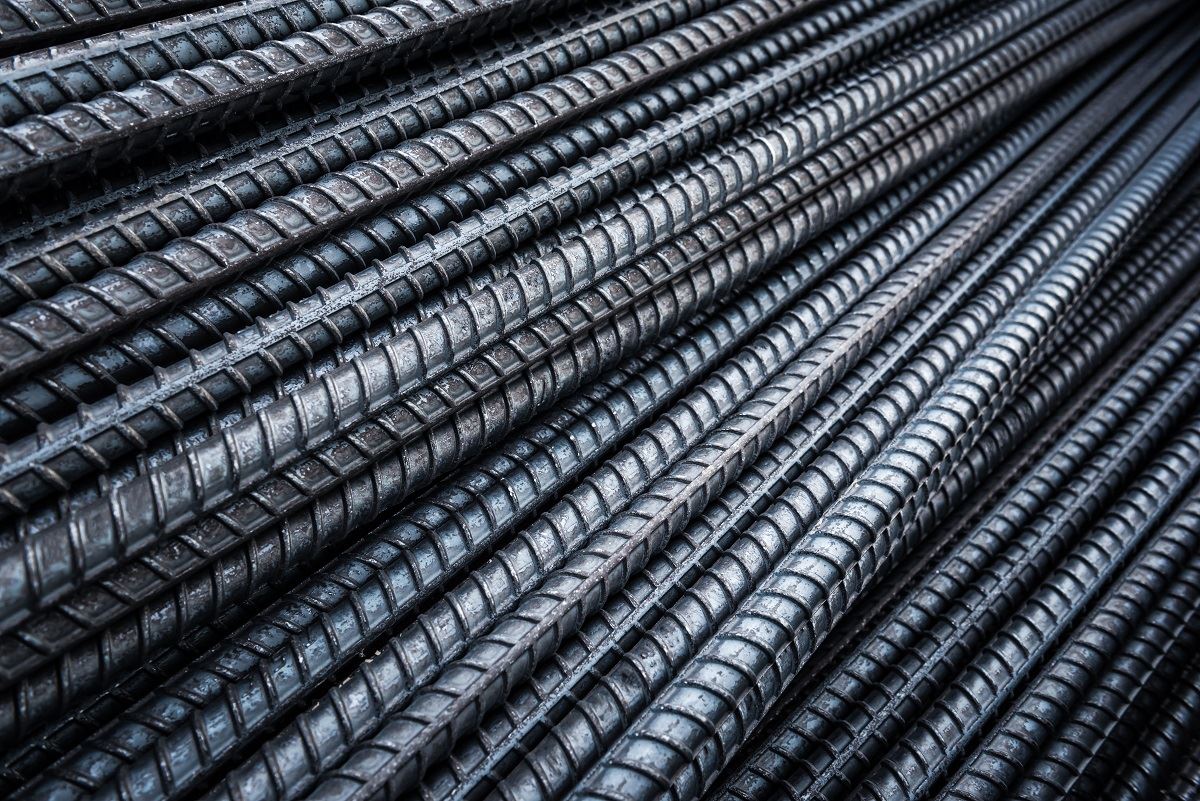
In a groundbreaking move, rebar producers in the UAE and Oman, including Jindal Shadeed, have simultaneously increased prices for December. Delivered rebar quotes surged by AED 50-73/tonne ($13.6-20) compared to November rates. Secondary mills, such as Union, Qatar Steel FZE, Jindal, AGSI, and Gulf Steel, are now competitively quoting rebar at AED 2,260-2,320/t ($615-632) on a 90-day credit basis. This synchronized pricing adjustment is poised to reshape the competitive landscape, with both primary and secondary mills vying for a larger share in the dynamic rebar sector.
Retail Traders Respond to Market Shift
Retail traders are swiftly adjusting their offerings in response to the market shift. Benchmark mill material is now quoted at AED 2,450-2,500/t, while secondary mills present competitive quotes ranging from AED 2,360-2,420/t, factoring in credit and delivery terms. Despite reasonably positive demand in the secondary market for end-user sales, overall December rebar sales are projected to be around 180,000 tonnes, influenced by traders prioritizing year-end considerations.
Egypt's Rebar Sector Witnesses Transformation
The rebar sector in Egypt, after a sustained period of stability, has experienced a notable transformation. Rebar prices fluctuated between EGP 35,750 and EGP 39,900 ($1156-1291) EXW. Prominent figures within the industry held pricing steady until this week, signaling the initial uptick in rebar prices. This adjustment signals a shift in the pricing pattern observed since March 2023.
Impact on Industries and Iraq's Steel Market Challenges
Irak Rebar (12-32 mm) is priced at $655/mt EXW by Super Steel, showing a decrease of $10. In Iraq, the reluctance of steel buyers to procure from domestic producers, influenced by the lower-priced imports from Iran and Saudi Arabia, has heightened market competition. Forecasts suggest that prices across major steel markets in Iraq will likely continue their decline until the end of 2023. Against this backdrop, Gulf billet producers are strategically adjusting to economic challenges, aiming to maintain resilience and competitiveness amidst uncertainties. Industry leaders maintained pricing stability until this week, marking the initial rise in rebar prices.
Iranian Steel Company Achieves Milestone in Latest Export Tender
In a noteworthy development, an Iranian steel company has successfully concluded its latest export tender, securing a sale of 30,000 tonnes of steel billet. The transaction, finalized this week, sets a significant milestone as the company accomplished the sale at a competitive price of $470 per tonne (FOB) for the scheduled shipment in December 2023.
Khuzestan Steel Company has dominated the domestic steel market in the first eight months of the year. The company secured 19.9% of the steel billet transaction volume on the commodity exchange, with a production of 4,645,265 tons, making it the largest contributor in this category. Additionally, Khuzestan Steel Company claimed the top spot in supplying slab, contributing to 38.6% of the total trading volume, equivalent to 427,000 tons. The trading volume of the company's steel billets experienced a significant 9% growth, reaching over 923,000 tons compared to the same period last year.
Yemen receives goods from China and Egypt despite political uncertainties near hodeidah port
In the midst of recent political events near the port of Hodeidah in Yemen, the situation remains complex. Despite challenges, goods from China and Egypt, primarily Hot Rolled (HR) products, are en route to the port. These incoming shipments, averaging $700 CIF, signify the resilience of trade channels and the determination of businesses to maintain essential supply chains.



Comments
No comment yet.