


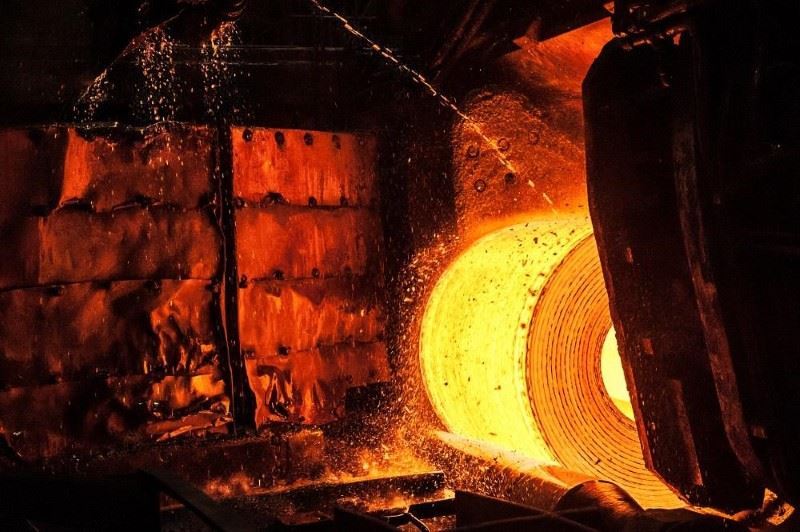
China's hot rolled coil export prices have strengthened significantly recently, driven by increases in international steel prices and increased overseas demand.
The export price of SS400 4.75 mm HRC has been determined by foreign sources as $846/t FOB, up $8/tonne per day or $44/tonne week from North China's Tianjin port.
Sources say the increases mainly follow the trend in the global steel market as China's domestic market demand remains lukewarm.
In the EU, which is the third largest destination for China's steel exports after the ASEAN region and South America, leading steelmaker ArcelorMittal has increased its HRC price by 180 euro/tonne to 1,150/t ($1,284) from 1 March. /ton) announced that it will release.
Market sources indicated that the price increases were mainly due to concerns over rising energy prices and a decrease in steel and steelmaking raw material supplies from Russia and Ukraine amid ongoing tensions between the two countries.
While both countries are the EU's major suppliers of energy, iron ore and coal, Russia is the world's second largest exporter of steel – 40-50% of its steel production has been generally shipped abroad in recent years. According to a recent study, in 2021 the country exported approximately 31 million tons of steel products, mainly HRC, semi-finished products and long products.
A Shanghai-based steel analyst said, “While China's HRC exports are predominantly to ASEAN and China's shipments to the EU are limited, the decline in HRC exports from Russia and Ukraine has resulted in buyers in ASEAN countries making other purchases such as India and India limited. This means it has to compete with the EU for limited supplies from places. This has increased ASEAN steel prices and the region's demand for Chinese products," he added.
As a result, "HRC export sales have improved significantly in recent days after the weakness we saw in February," he said. "In fact, even some small steel exporters who used to complain about weak trade are reporting strong sales these days," he said.
Still, although exporters can enjoy higher profits compared to selling to the domestic market these days, some state-owned Chinese steelmakers are hesitant to increase their export business, noting the central government's clear determination to deter commercial grade steel product exports.
An official from a producer in northern China argued that the increases in steel exports are against the US, "I fear that the government may soon implement some policies aimed at controlling the (export) trend, such as the imposition of new export duties." said. Beijing's steel industry aims to reduce carbon emissions and stabilize iron ore price movements.
"The Russia-Ukraine conflict and its impact on trade are huge and are pushing iron ore prices to unreasonably high levels," he said. He commented, "If domestic steel prices continue to rise, this will cause more damage to the recent steel-using industries. This seems very dangerous to me."




Comments
No comment yet.