


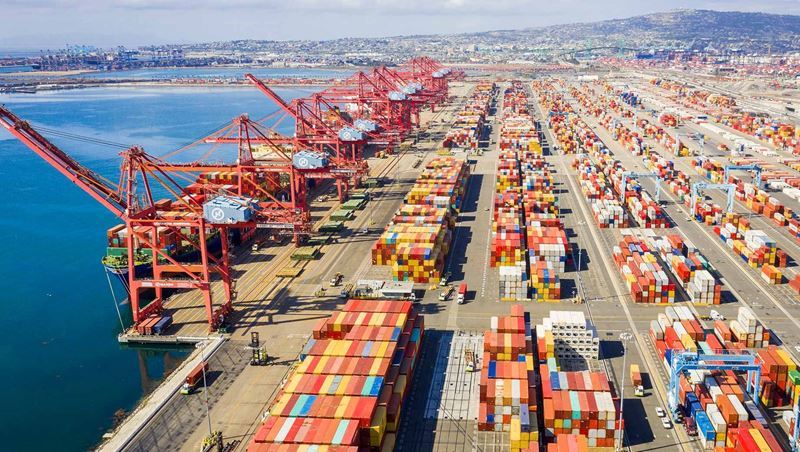
The country’s leadership aims to support weakening consumer demand and strengthen resilience against external risks facing the world’s second-largest economy.
In a statement, China’s top economic planning body, the National Development and Reform Commission (NDRC) said the government plans to raise 62.5 billion yuan (approximately USD 8.9 billion) to finance the first phase of the stimulus by issuing ultra-long special government bonds.
The Commission emphasized that, in order to maximize the effectiveness of the stimulus program, local governments will be guided to accelerate implementation and ensure that subsidies are deployed in a balanced and orderly manner. It underlined that controlled allocation of funds and effective on-the-ground execution are key priorities.
China has been rolling out various support measures since mid-2024 to stabilize domestic consumption, which has been weighed down by a prolonged downturn in the property sector and persistent deflationary pressures. Despite the tariff truce reached with the United States, authorities remain cautious about the risk of new trade frictions emerging with other countries.
Against this backdrop, expanding domestic demand stands out as a core economic priority for the coming year. Throughout 2025, China doubled the funds allocated to incentivize purchases of consumer goods such as automobiles, smartphones and home appliances compared with 2024, raising the total to 300 billion yuan.





Comments
No comment yet.