


The institution emphasized that the agreement will play a critical role in consolidating an industrial policy aimed at strengthening national production and strategic supply chains.
The agreement is structured around three main pillars: prioritizing domestic steel in public procurement, strengthening industrial policies, and supporting financing mechanisms. In this context, it aims to increase the use of steel produced in Mexico, raise the domestic content ratio, and substitute imports.
According to sector data, Mexico’s steel industry operates at an average of 64% of its installed capacity, while exports to the United States have declined by 53% due to tariffs imposed by the U.S. The share of imports in domestic demand has reached 42%, and finished product output fell by 8.1% in 2025, returning to 2014 levels.
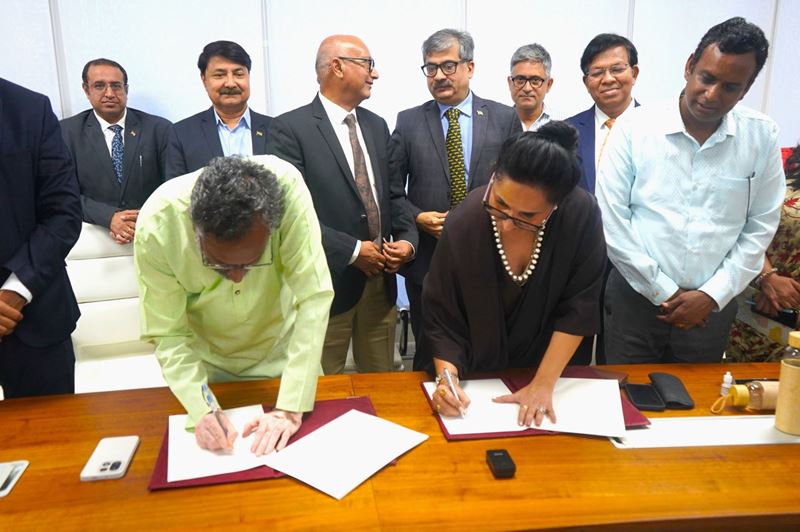
Speaking at the press conference held for the signing of the agreement, President Claudia Sheinbaum highlighted the importance of the initiative, describing it as a “historic agreement” aimed at developing the national steel industry. She stated that the government will prioritize domestic production in its steel procurement.
CANACERO President Sergio de la Maza announced that the agreement will help preserve approximately 90,000 direct jobs and consolidate $8 billion in investments. He also noted that Mexican steel ranks among the lowest-emission producers globally, with emissions per ton approximately 40% lower than the average of major steel-producing countries.
CANACERO stated that it will support the agreement in order to enhance competitiveness, promote formal and quality employment, and strengthen the metalworking value chain. The institution also welcomed the participation of public institutions contributing to the agreement, as well as industry organizations such as the Mexican Chamber of the Construction Industry and the National Chamber of Housing Development and Promotion Industry.



Comments
No comment yet.