


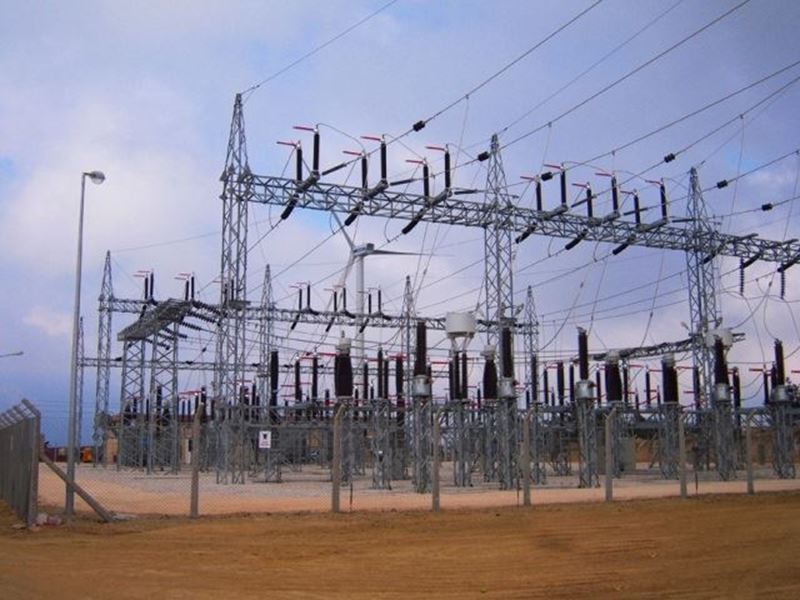
The European Commission has adopted the “Middle East Crisis Temporary State Aid Framework,” granting member states broader flexibility until the end of the year to support sectors heavily affected by energy costs. The regulation reportedly enables a closer link for the first time between industrial electricity prices and electricity price compensation mechanisms.
WV Stahl Managing Director Kerstin Maria Rippel described the new framework as an important step toward urgent support for energy-intensive industries. She emphasized that the increased flexibility—particularly regarding the partial alignment of electricity price compensation with industrial electricity pricing—is a significant development in the right direction.
Rippel also stated that Germany’s current industrial electricity pricing system has so far failed to deliver sufficient results, stressing that the government must quickly implement the new EU flexibility to maintain competitiveness.
The federation further highlighted that structurally high electricity costs are not merely a temporary crisis factor and that more permanent solutions are needed. In this context, WV Stahl proposed a predictable industrial electricity price target of EUR 50 per megawatt-hour, including all taxes and levies.
According to the statement, such a pricing structure would both strengthen industrial competitiveness and support the transition toward climate neutrality.




Comments
No comment yet.