


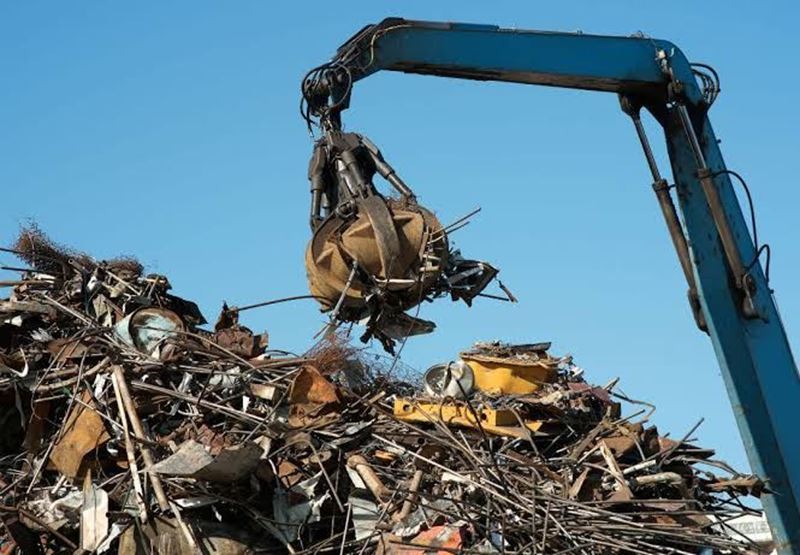
The report stated that Türkiye conducted more limited scrap purchases in the months following the intensive buying activity at the end of March. The slower-than-expected recovery in steel demand after the Ramadan Bayram holiday, declining rebar prices, and high inventory levels held by steel producers were identified as the main factors putting pressure on Türkiye’s scrap demand.
Declining demand in Türkiye impacts European scrap market
According to the Bureau of International Recycling (BIR), the decline in buying interest from Türkiye also affected the European scrap market. Based on feedback from Scandinavian countries, HMS 80/20 scrap prices fell by approximately 7% in June. The report also noted that exporters had started turning to Morocco and Spain as alternative markets.
In Germany, scrap demand from steel producers remained largely stable, while supplies of new production scrap and turnings were reported to be particularly limited. Disruptions in rail transportation, insufficient trucking capacity, canal maintenance works, and occasional periods of low water levels also negatively affected deliveries to steel mills.
In the United Kingdom, despite the decline in export prices, competition remained strong, particularly for scrap used by shredding facilities.
Weak demand pressure continues in Asia
In the United States, the report stated that demand for new steel remained strong despite price increases. However, scrap price movements were expected to remain limited during the summer months due to the seasonal slowdown in scrap purchasing activity.
In China, finished steel exports declined by 8.1% year-on-year during the January–May period, falling to 44.55 million tonnes. The report noted that this continued to put pressure on the Chinese steel market.
In Bangladesh, cautious purchasing of imported scrap continued due to weak finished steel demand, significant production overcapacity, rising costs, and narrowing profit margins. In India, steel producers continued to favour iron ore-based raw materials over imported scrap due to weakening steel demand and declining profit margins. In Japan, buyers remained cautious due to elevated price levels, while the domestic market remained strong.
China’s scrap consumption declines by 12.1%
According to BIR’s “World Steel Recycling in Figures” update, scrap consumption in China, the world’s largest scrap consumer, declined by 12.1% year-on-year in the first quarter of 2026, while the decline in crude steel production over the same period was more limited at 4.6%.
Türkiye maintained its position as the world’s largest scrap importer in the first quarter of 2026, with imports reaching 4.746 million tonnes. The country’s scrap imports increased by 0.6% compared with the same period last year.
During the same period, India’s scrap imports decreased by 46% to 1.24 million tonnes, while the European Union remained the world’s largest scrap exporter despite exports declining by 11.3% to 4.092 million tonnes.
Meanwhile, the South African Recycling Association and the Metal Recyclers Association reportedly submitted an official petition to parliament, arguing that the country’s scrap price preference system effectively functions as an export ban. The organisations claimed that the current system encourages the export of scrap in the form of semi-finished products rather than promoting domestic scrap utilisation, while also allowing imported billet products to enter the domestic market.





Comments
No comment yet.