



The association said it supports the principles and objectives of the manifesto, which aims to place the steel industry back at the center of Italy's industrial policy.
Assofermet stated that the manifesto makes a significant and tangible contribution to the debate on the future of Italy's steel industry, noting that the country is at a critical stage in making decisions to secure raw material supply, preserve the competitiveness of industrial supply chains, and support employment.
The manifesto emphasizes that steel is of strategic importance to the Italian economy and key sectors such as automotive, machinery, shipbuilding, and heavy industry. It also states that dependence on imports should be reduced to strengthen supply chain resilience, while stressing that high-quality and strategic imports that cannot be substituted by European Union production should not be negatively affected.
The document further notes that Italy continues to face a significant steel supply deficit, leaving the country's manufacturing system vulnerable to international market fluctuations, price volatility, and risks arising from geopolitical crises. It therefore states that establishing a long-term national steel strategy to support production investments and strengthen the country's industrial capacity should be a priority.
Gianluca Di Ascenzo, President of Codacons, said the manifesto aims to draw the attention of public institutions to the strategic importance of steel for the country, adding that Italy cannot ignore demand for such a fundamental raw material, which is indispensable to its industrial supply chains. Di Ascenzo said Italy needs an industrial policy that balances development, sustainability, and the public interest, while strengthening domestic production, improving security of supply, and protecting businesses and consumers from the effects of international crises and market volatility. Welcoming Assofermet's decision to join the manifesto, Di Ascenzo said it demonstrates that these objectives are shared across the entire supply chain.
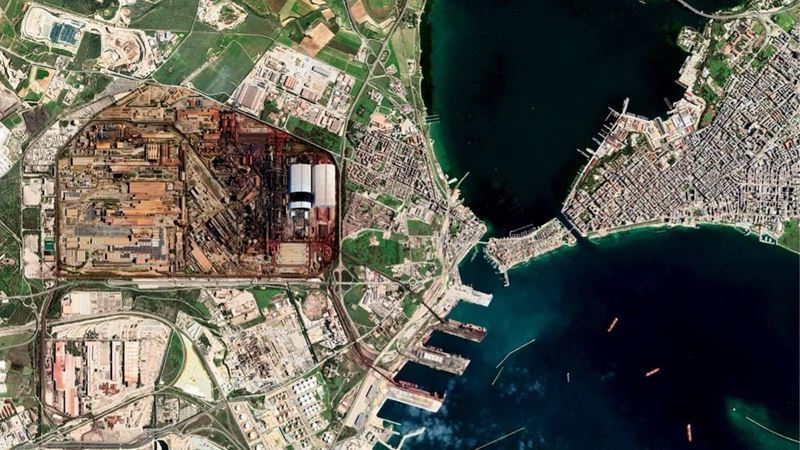
Assofermet also reaffirmed its support for the manifesto's approach, emphasizing that major projects to revive the Piombino steel production hub and Acciaierie d'Italia facilities are central to the future of Italy's steel industry. The association said these investments represent critical assets for both the country's industrial future and the strengthening of Italy's and Europe's strategic autonomy.
Paolo Sangoi, President of ASSOFERMET Acciai, said Assofermet's decision to join the manifesto stems from its objective of placing the steel industry back at the center of Italy's industrial agenda. Sangoi said the revival of the Piombino production hub and Acciaierie d'Italia facilities is a strategic priority for the future of the country's manufacturing industry, adding that these projects are essential to reducing the national production gap, enhancing corporate competitiveness, and ensuring that steel-consuming industries have access to high-quality steel at competitive prices.
Sangoi also stressed that the development of Italy's steel industry should be supported through investment in innovation and environmental sustainability, describing both as indispensable for the future of the Italian and European steel sectors.




Comments
No comment yet.