


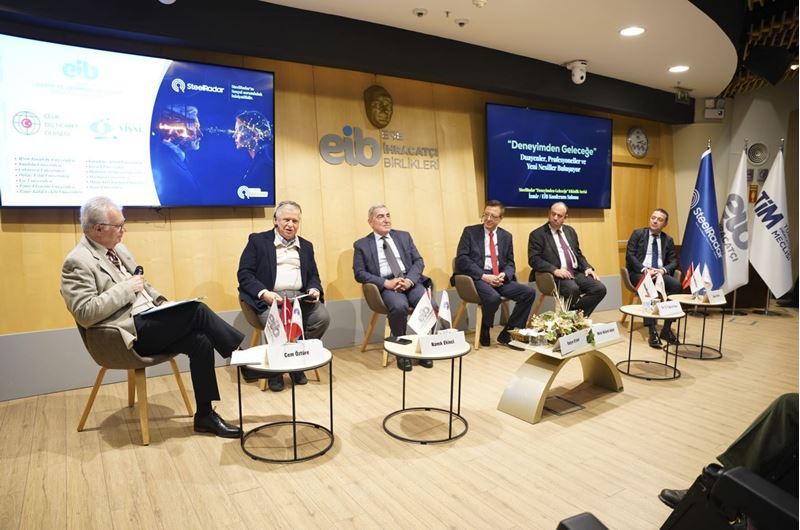
Organized as part of SteelRadar’s social responsibility initiative, the event aimed to contribute to strengthening the sector’s sustainable human resources.
During the panel session held within the scope of the event, leading figures of the steel industry shared their professional experiences, the transformations within the sector, and their insights on the future with participants. The organization brought together industry professionals as well as young engineers, university students, academics, and institutional representatives, fostering intergenerational interaction.
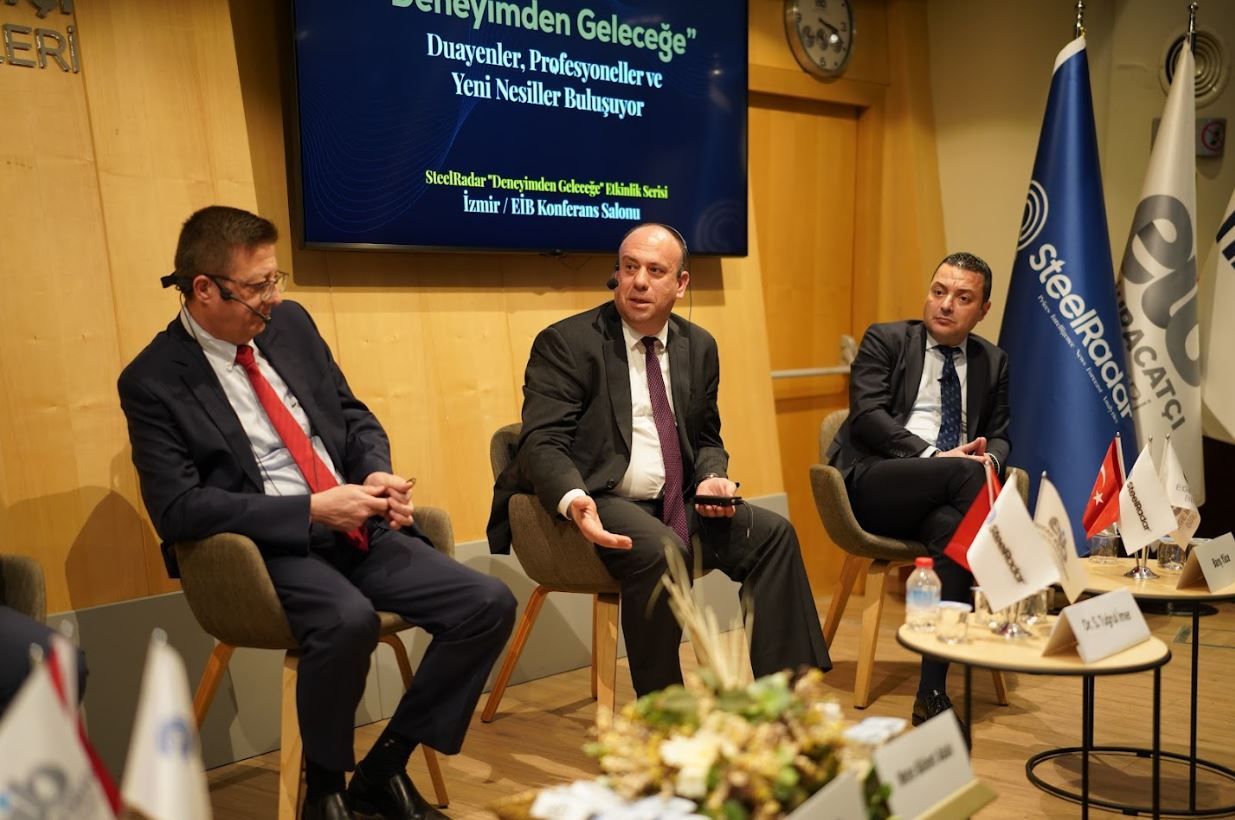
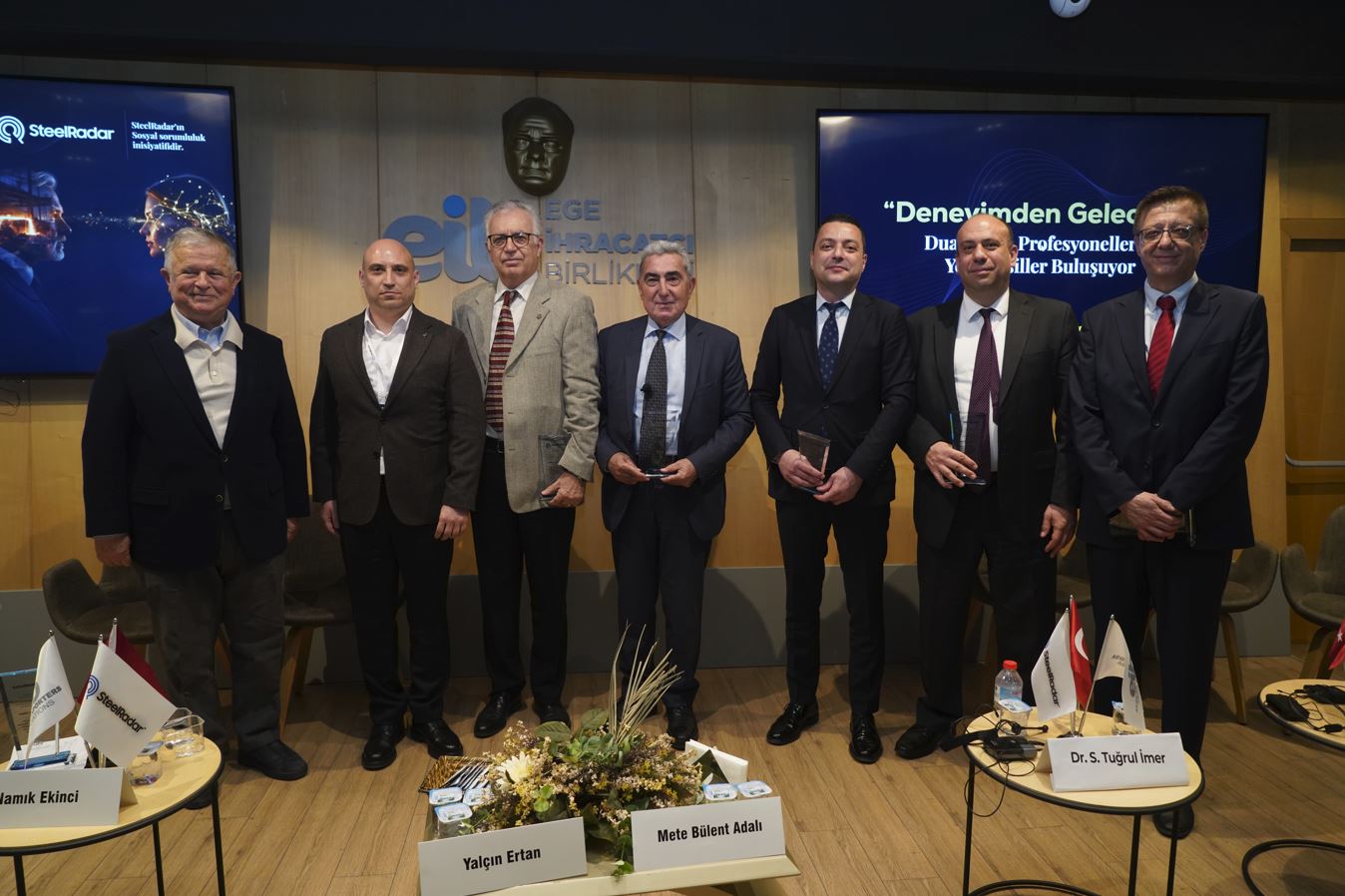
The opening speeches were delivered by SteelRadar Chairman of the Board Cem Öztüre and Aegean Ferrous and Non-Ferrous Metals Exporters’ Association Chairman Yalçın Ertan. In the panel session titled “From Experience to the Future,” the speakers included Barış Yüce, Middle East & North Africa Trade Manager at Kibar Foreign Trade Inc.; Mete Bülent Adalı, Board Advisor at the Steel Foreign Trade Association; Namık Ekinci, Chairman of the Board of the Steel Foreign Trade Association; Dr. S. Tuğrul İmer, Deputy General Manager of Sales and Marketing at Karabük Iron and Steel Works (KARDEMİR); and Yalçın Ertan. The panel was moderated by Cem Öztüre.
In his opening remarks, Cem Öztüre emphasized that the Turkish steel industry ranks 7th in the world and 1st in Europe, stating: “If we are producing 38 million tons today, we did not reach this point easily. This success is the work of the master industrialists present in this hall today. Tomorrow, you will take over these seats. Turkish engineers are managing facilities all over the world, from the Middle East to Africa. With these experiences, you will carry the flag even further.”
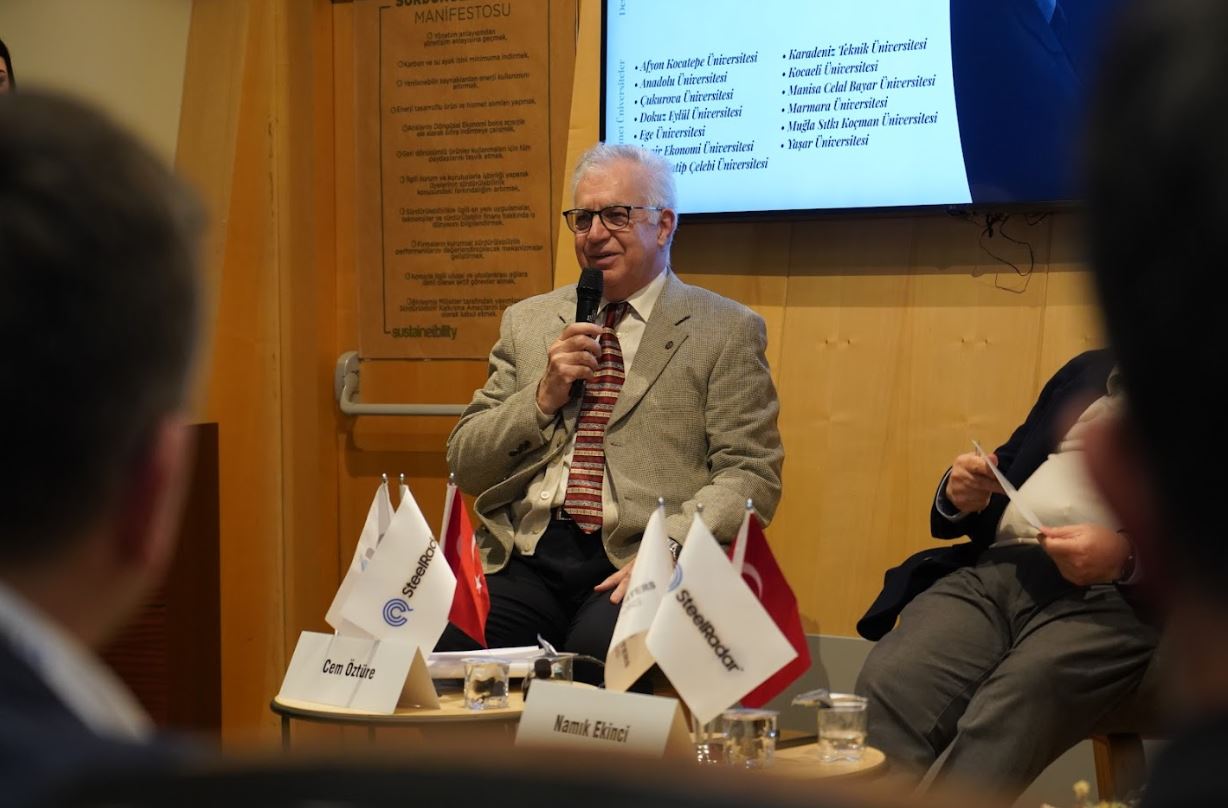
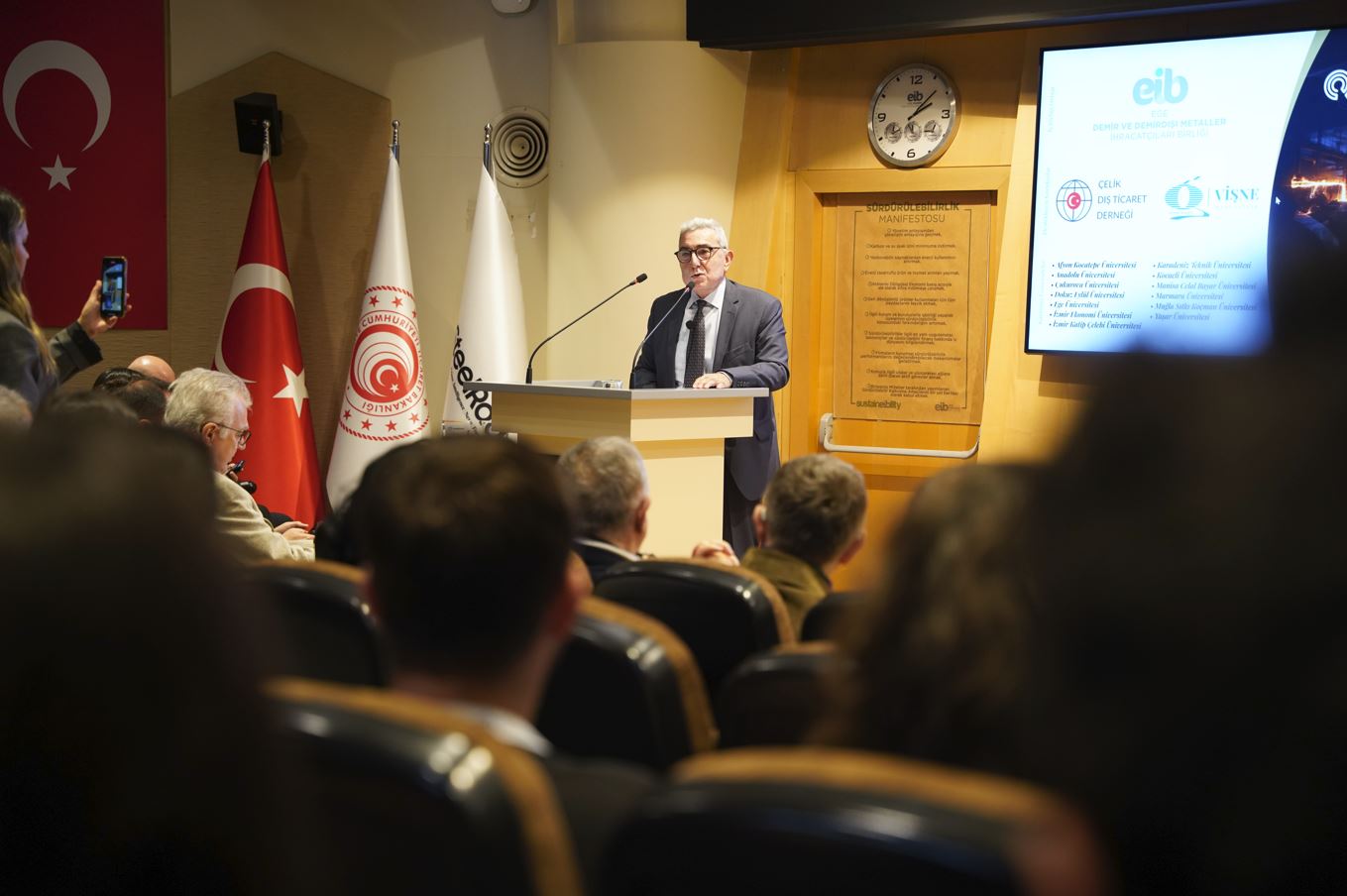
In his opening speech, Yalçın Ertan, Chairman of the Aegean Ferrous and Non-Ferrous Metals Exporters’ Association, stated:
“As the Aegean Ferrous and Non-Ferrous Metals Exporters’ Association, this meeting we have organized in collaboration with SteelRadar is a highly valuable step that directly addresses the need to transfer knowledge and experience from one generation to another. The iron and steel industry is one of the most strategic sectors, directly reflecting our country’s production strength and export capacity. The Aegean region stands as one of the most important hubs of our industry, thanks to its port infrastructure, industrial expertise, logistical advantages, and qualified human resources.
Looking at the figures, in 2025 we made a significant contribution to our country with exports totaling USD 2.591 billion. Today, Türkiye holds a very important position as a steel producer and exporter in the world. In particular, we are the second-largest exporter of long products globally, after China.
Today’s students will become the sector representatives of tomorrow. The sustainable success of our industry depends on your ability to benefit from these experiences and to be guided correctly. It is a social responsibility for us to ensure that you become closely familiar with the sector. I would like to thank you all for your participation.”
Yalçın Ertan: “From Truck Assistant to Global Markets”
Sharing his own success story, Yalçın Ertan reflected on the early years of foreign trade following his engineering education at Boğaziçi University and his master’s studies in the United States, returning to Türkiye shortly after the 1980 coup:
“Coming from Atça in Aydın and reaching global markets, I returned because I love my country. When we began our foreign trade initiative within the Metaş Group in 1982, we were just at the very beginning writing the ‘alphabet’ of the business. Germans and Americans treated us like second-class traders, but we never gave up. Entering a market was like setting out on an expedition we wouldn’t return for at least three months.
When we couldn’t find a flight back from Tehran, we would take a taxi to the border; if we couldn’t cross, we would ask truck drivers for help and enter Türkiye as their ‘assistants.’ For 15 years, I traveled 250 days a year. We have transformed from a country producing rebar out of scrap to becoming Europe’s number one producer.
Young people, my mother used to say: ‘Son, trust not your goods, but your market.’ If your market is strong and your sales channels are solid, you can always sell your product. Stay alert, read the signals well, and never give up.”
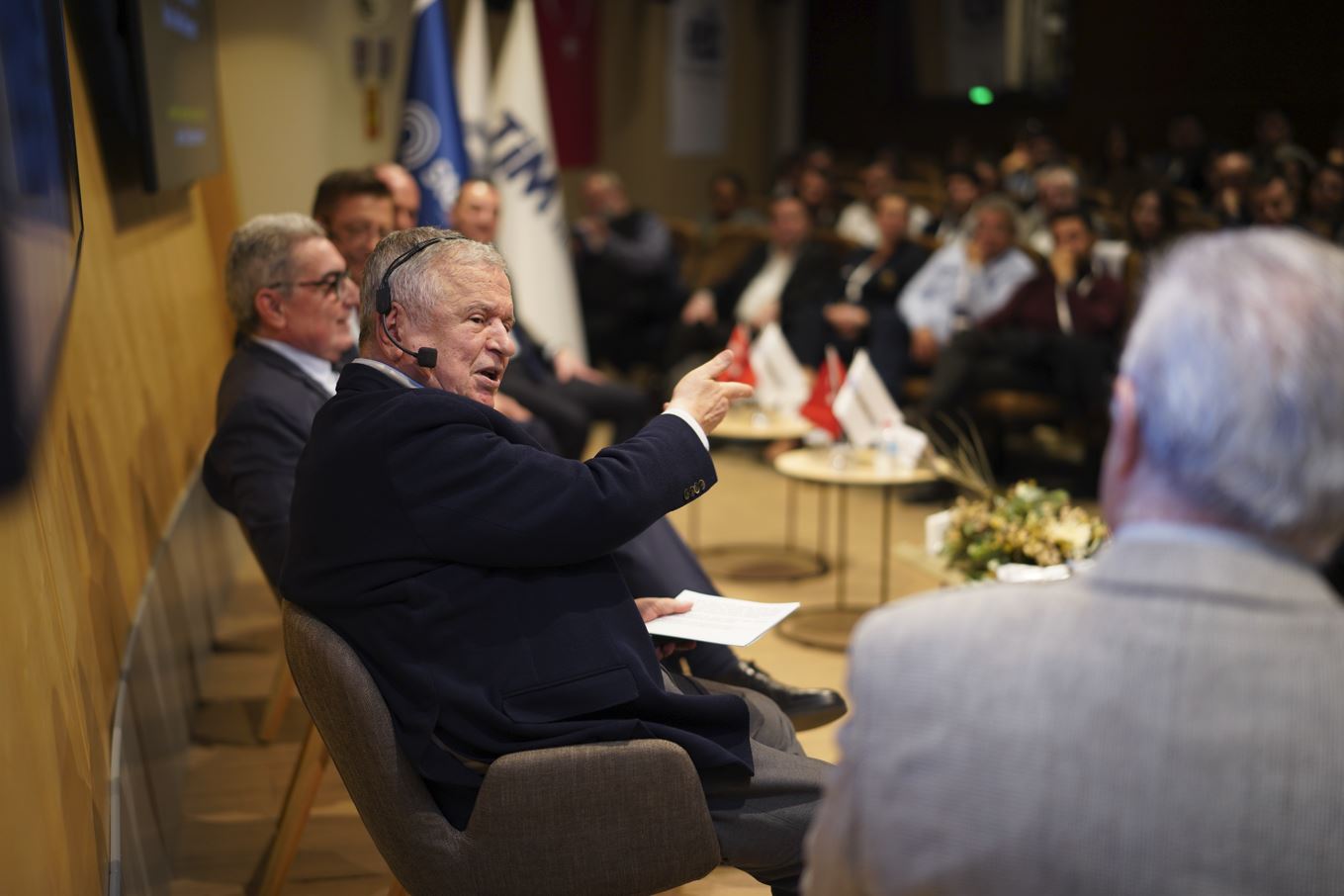
“From Mint Candy to an Export Empire”
Namık Ekinci, Chairman of the Steel Foreign Trade Association, shared his passion for trade that began at a young age and the groundbreaking steps he took in the sector:
“I started trading at the age of 11 by cooking and selling corn. I carried iron on my back in the rolling mills of Karabük; I was the first to implement a ‘premium system’ in Türkiye. During the 1980s, when Iran and Iraq were at war, we carried two separate passports to be able to enter both countries. In Iraq, we managed operations without leaving our hotel rooms, hiding from our competitors. Until the year 2000, I had the pride of being the first exporter behind 65% of Türkiye’s total steel exports. Honesty and strategy are your greatest capital.”
Muammer Bilgiç: “Türkiye’s Steel Success Is a ‘University’ Discipline”
One of the veteran figures of the sector, Muammer Bilgiç, provided an in-depth analysis of the historical development and institutionalization of the Turkish steel industry:
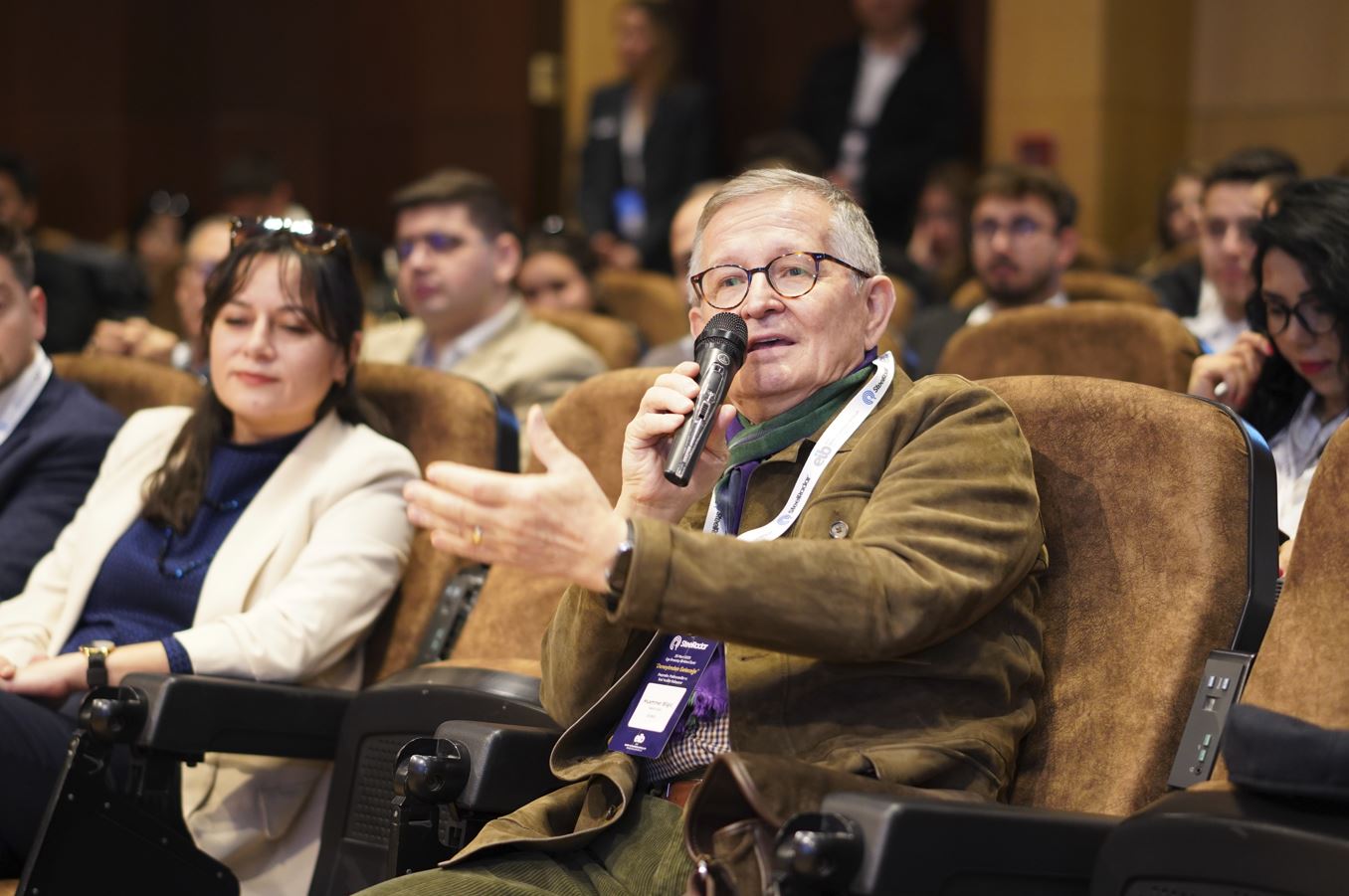
“Today, Türkiye is the seventeenth largest economy in the world, yet it is not number one in Europe in any industrial field except iron and steel! This immense success is no coincidence. The origin of everything is Karabük; in fact, Karabük is a kind of sectoral ‘university.’ Metaş, established in 1956, was Türkiye’s first private-sector electric arc furnace-based iron and steel plant, and the world’s second continuous casting machine was installed there. Institutions such as Metaş and Ekinciler did not only produce steel; they also trained people. From wire rod production to welding electrodes, the foundations of many value-added products in which Türkiye competes globally today were laid during that period, driven by a vision of investing in people. This scale of achievement was not easily attained we must truly appreciate its value.”
“With an METU Diploma, I Sorted Scrap for Three Months”
Mete Bülent Adalı, Advisor at the Steel Foreign Trade Association, emphasized the importance of learning the fundamentals of the profession:
“When I started my career as a metallurgical engineer, they placed me in the scrap yard so I could learn the kitchen side of the business. For three months, I sorted scrap by hand, separating copper from iron. You cannot succeed at the desk without getting your hands dirty first. Lay out a map in front of you learn what different nations prefer, and understand the trade cultures of Arabs and Indians,” he advised.
“We Look for Motivation and Consistency in Interviews”
Tuğrul İmer, Deputy General Manager of Sales and Marketing at Kardemir, highlighted the company’s strategic importance and its human resources criteria:
“We are Türkiye’s only producer of critical products such as rails and railway wheels. However, the world is changing, and with CBAM, Europe is making market access more difficult. We are seeking new markets, including North Africa, the United States, and Ukraine. In interviews, rather than the university a candidate graduated from, we focus on seeing that spark of motivation and their consistency. English proficiency and market analysis skills are essential for us.”
Barış Yüce, Middle East and North Africa Trade Manager at Kibar Foreign Trade Inc., stated that global competition in the steel industry is intensifying and that Türkiye has experienced significant losses in its traditional export markets. Recalling that exports were once heavily directed to markets such as Egypt, Dubai, and Saudi Arabia, Yüce noted that these countries have now not only started exporting to Türkiye but are also increasing competition in markets where Türkiye has traditionally been strong.
Emphasizing that growing competition has led to losses in the European, Far Eastern, and Latin American markets, Yüce pointed out that countries are increasingly adopting protectionist policies. He added that this situation has negatively affected capacity utilization in Türkiye’s steel industry, noting that despite an installed capacity of around 60 million tons, production has remained at approximately 38 million tons even during its strongest periods.
Yüce stated that the contraction in markets has created serious pressure on the sector. While measures to limit imports have come to the agenda during this process, he stressed that competitive conditions continue to become more challenging.
On the other hand, Yüce also addressed the sector’s human resources, noting that many professionals involved in iron and steel trade have engineering backgrounds. He stated that engineers who gain experience on the production side can, with the right interest and vision, transition into commercial roles and build successful careers over time.
Academics participating in the event also shared their assessments of the sector. Prof. Dr. Ali Arslan Kaya, a faculty member of the Department of Metallurgical and Materials Engineering at Muğla Sıtkı Koçman University, stated that Türkiye’s ranking as the 7th largest steel producer in the world and the 1st in Europe is a significant achievement; however, the sector needs to question itself in terms of product diversity and value-added production.Kaya emphasized that efforts on next-generation steel types, particularly those with low density and advanced properties, should be increased. He also highlighted the importance of coordinated action between public policies and private sector dynamics in guiding the industry toward these areas.
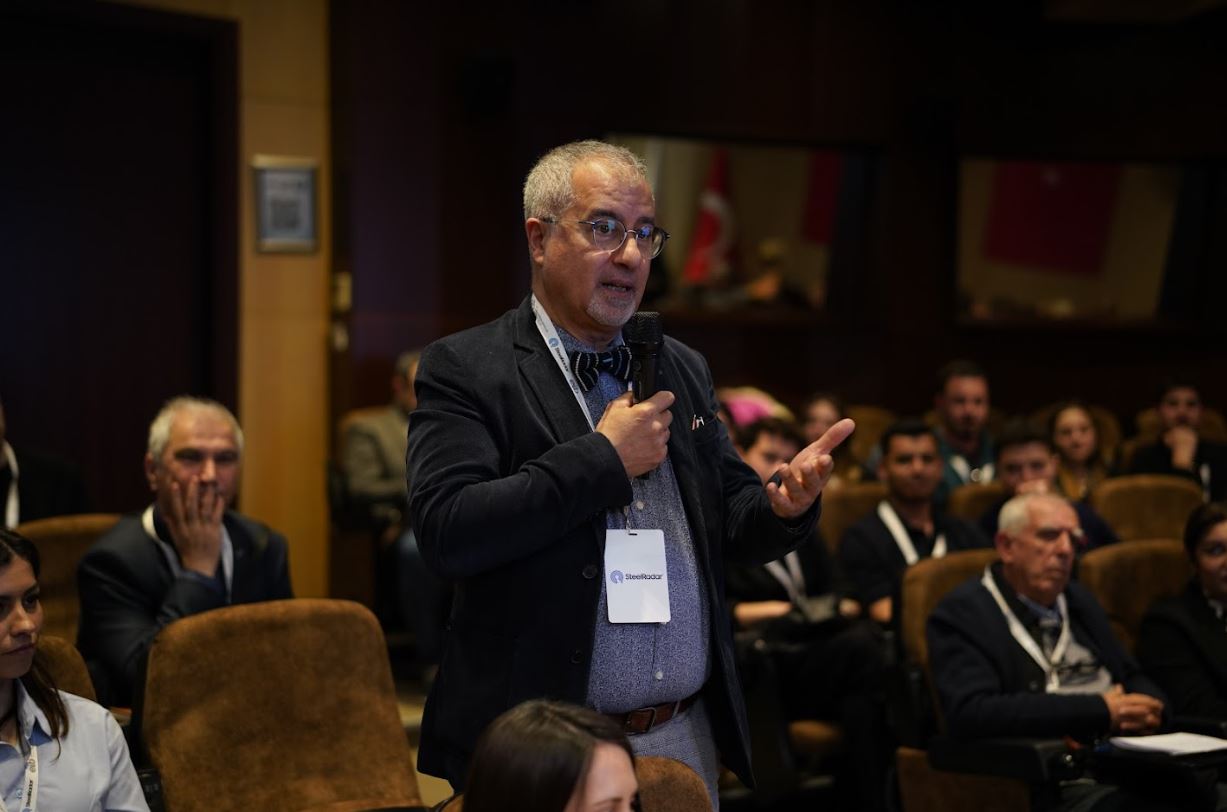
Prof. Dr. Sevtap Ünal, a faculty member at the Faculty of Economics and Administrative Sciences of İzmir Katip Çelebi University, emphasized that young people should be more actively involved in the sector, noting the importance of students directly hearing real-world experiences from the field. Ünal stated that, in order to succeed in the global trade environment, companies need to be open to new markets, adapt quickly to changing conditions, and gain a competitive advantage by increasing product diversity and specializing in specific areas. She also pointed out that protectionist policies have limited impact in today’s world, underlining that focusing on external markets is inevitable for the sector.
Prof. Dr. Serhat Burmaoğlu, Head of the Data Science and Analytics Department at İzmir Katip Çelebi University, highlighted the importance of data-driven transformation in his speech, stating that global developments have a direct impact on industries. He noted that potential geopolitical developments may pose risks for some sectors while creating new opportunities for others, and that the steel industry is positioned within this dynamic structure. Burmaoğlu also emphasized that young people face challenges when transitioning into professional life, and therefore companies should offer more internships and opportunities to integrate young talent into the system. He added that strengthening university-industry collaboration plays a critical role both in the development of the sector and in training a qualified workforce.
“A Positive Strategy Wins in Challenging Times”
Eftal Pehlivan, Export Sales Manager at İzmir Demir Çelik (İDÇ), stated that he remains optimistic despite the challenges in the sector:
“Conditions are not easy, but I always prefer to stay positive. The logistical disruptions in the Strait of Hormuz create opportunities for facilities like ours that are close to Europe and operate with electric arc furnaces. Being in the right place at the right time and maintaining a strong network will put us ahead of our competitors. ‘Made in EU’ standards are opening new doors for us,” he said.
“Human Creativity Is What Artificial Intelligence Cannot Replace”
Zühtü Özçelik, General Manager of OSP Demir Çelik, shared his industrial perspective:
“Türkiye’s biggest loss is that people retire too early. The ages of 60–65 are actually the most productive years of a person’s life. In interviews, I don’t look at documents I look at determination. Machines can be set up one way or another, but the one thing artificial intelligence lacks is human creativity. Place the philosophy of Kaizen (continuous improvement) at the center of your life,” he said.
“Curiosity Can Make You a Leader in the Marine Sector”
Levent Bilgili, General Manager of SAM Mekanik Energy Contracting and Trade, highlighted the power of curiosity-driven innovation through his electric boat project:
“An engineering degree is a title; the real strength lies in a research-driven spirit. Thanks to an electric boat I developed purely out of curiosity, I am now working on marine projects with giants like Temsa and Skoda. As long as you create added value, you will have a place in business life,” he said.
Interactive Q&A Session and Strong Participation
In the Q&A session held after the panel, young engineering candidates and academics directed their questions to experienced industry figures. This segment, where a wide range of topics from sectoral contraction and green transformation to career paths and new market strategies were discussed in detail, fostered a dynamic intergenerational dialogue.
During the webinar, students raised questions on various topics, from recruitment processes to career planning. The first student asked whether companies apply any filtering or prioritization based on the universities candidates graduate from in their hiring and internship processes, whether institutions set targets regarding gender distribution, and what their approach is toward female engineers in particular. The role of postgraduate education in recruitment processes was also brought up for discussion.
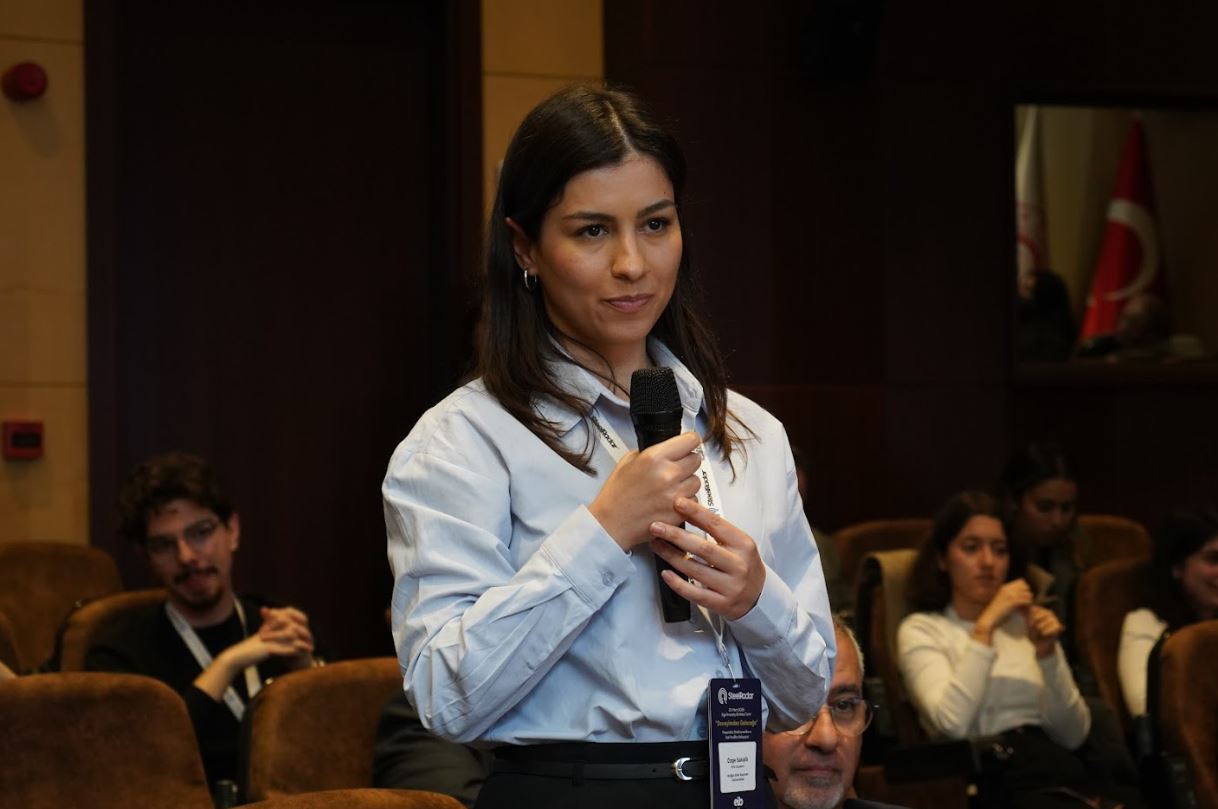
Participants stated that strict university-based filtering is not applied in recruitment processes, and that candidates’ individual competencies and development potential are more decisive factors. It was noted that there is no rigid quota regarding gender distribution; however, increasing the presence of women employees and engineers in the sector is actively supported. While the number of male employees is higher in production due to the physical nature of the work, it was highlighted that the proportion of female employees is quite high in departments such as office functions, quality, and export.
Regarding postgraduate education, it was emphasized that it is generally not seen as a disadvantage; on the contrary, master’s and doctoral studies are encouraged, especially in R&D departments. However, it was also underlined that pursuing postgraduate education alongside professional work can be more productive, and that it should be supported by industry experience rather than being solely academic.
A second student asked which competencies stand out in fields such as sales engineering despite having a strong theoretical background, and whether transitioning from production to sales is a sound career choice.
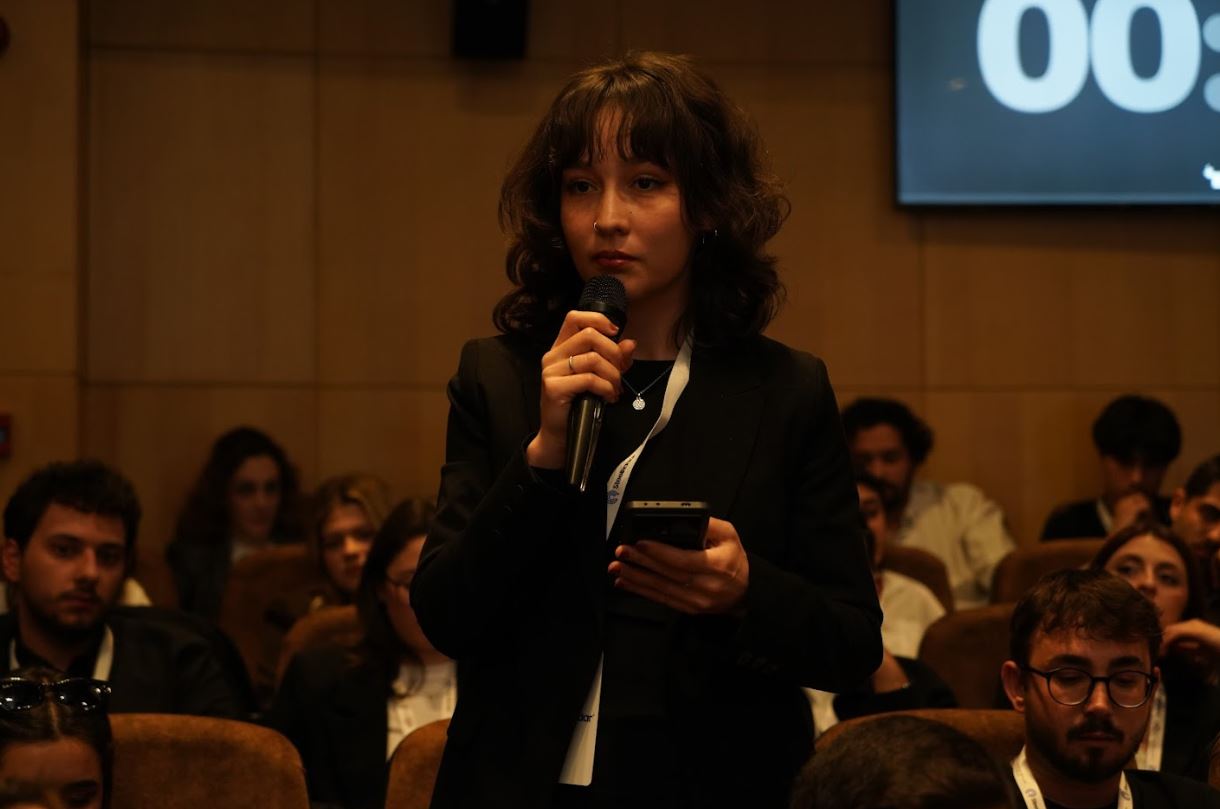
Participants stated that, in addition to technical knowledge, key competencies in sales engineering include strong communication skills, persuasion ability, curiosity, a willingness to research, and building a solid professional network. In today’s environment, where access to information is easier than ever, the ability to reach accurate information and use it effectively has become increasingly important. It was also noted that transitioning into sales after gaining experience in production provides a significant advantage in terms of product and process knowledge, and is considered a sound career path.
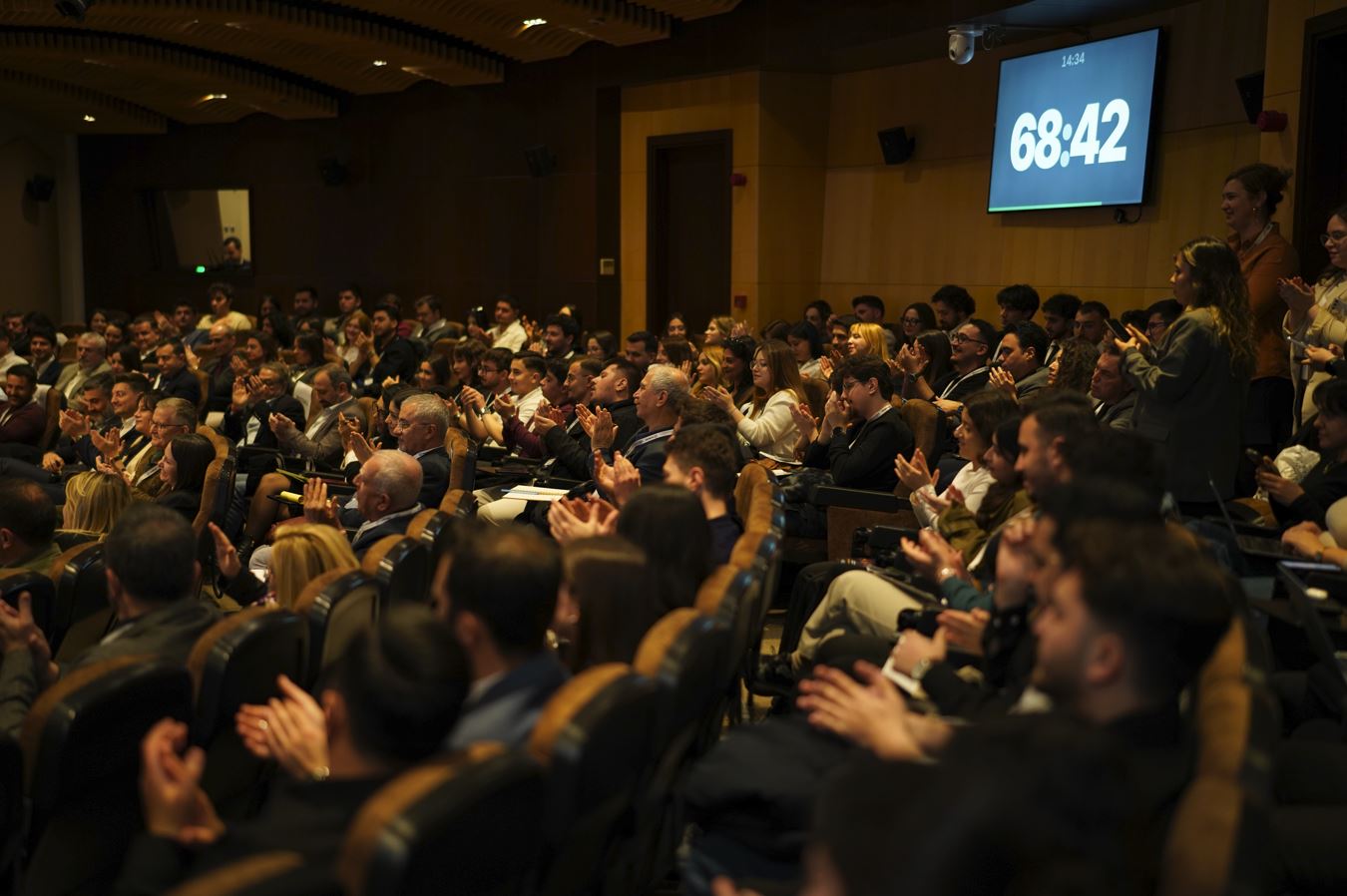
The event attracted strong participation, with hundreds of attendees filling the Aegean exporters' associations' conference hall, along with a wide online audience following via webinar. Through its “From Experience to the Future” series, SteelRadar will continue to transfer industry knowledge and experience to new generations across different industrial regions of Türkiye.
The event concluded with the presentation of plaques to the panelists.



Comments
No comment yet.