


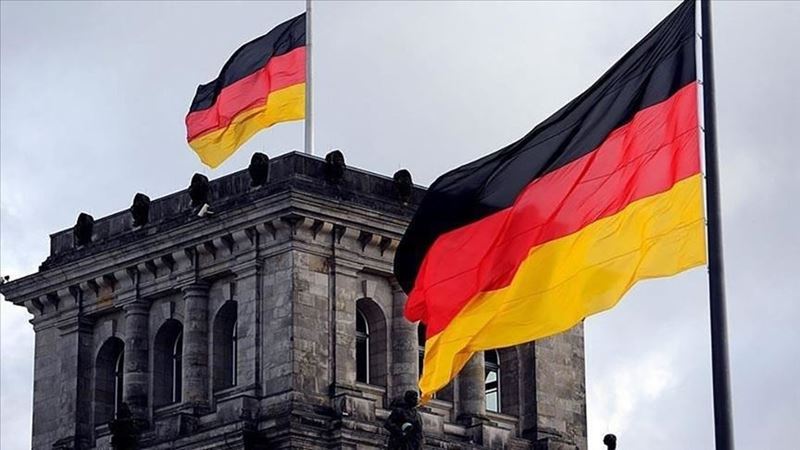
The European Commission said in a statement released in Brussels that the support is aligned with Germany’s energy and climate goals, as well as the European Union’s objectives for sustainable growth and competitiveness.
Under the approved program, the funds will be used to help companies make their production processes more climate-friendly. The Commission stated that the mechanism is intended to accelerate the transition to low-carbon industrial production.
Projects will be selected through a bidding process, with cost efficiency serving as the main criterion. Accordingly, the amount of support requested per ton of avoided carbon dioxide (CO₂) emissions will be decisive. Projects will be required to achieve at least a 50% reduction in emissions within four years and meet a minimum 85% reduction target by the end of the 15-year contract period.
Projects in energy-intensive sectors such as paper, chemicals, metals, glass, and cement will be eligible for support under the program. Companies will be free to choose the method used to reduce greenhouse gas emissions. Options include switching to electric production processes, using hydrogen, carbon capture and storage technologies, biomethane use, and utilizing waste heat.
European Union rules allow governments to provide subsidies or tax breaks to companies only under strict conditions. The Commission concluded that Germany’s plan is necessary, appropriate, and proportionate for supporting industrial decarbonization, while its impact on competition and trade within the EU will remain limited.




Comments
No comment yet.