


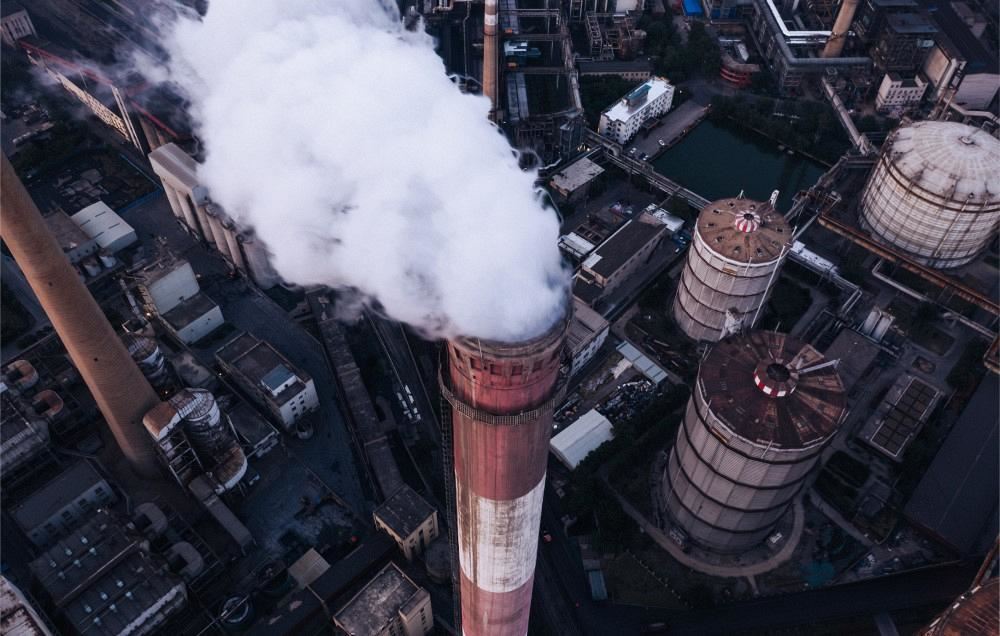
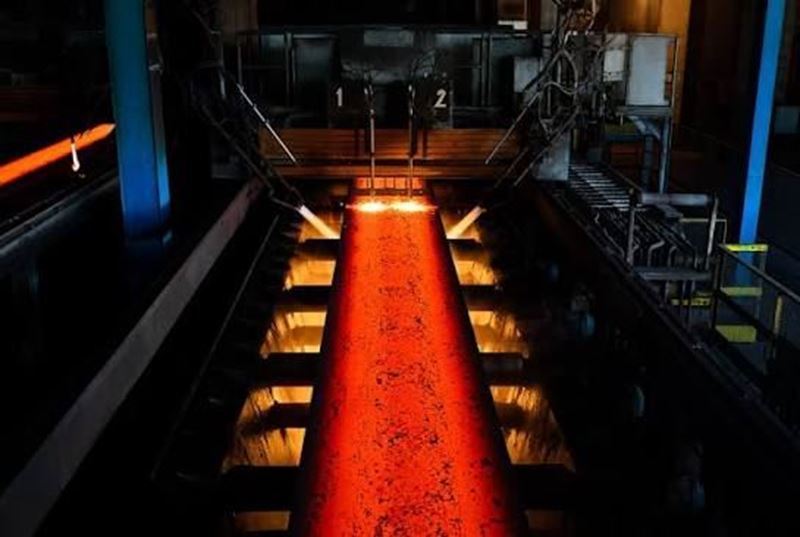
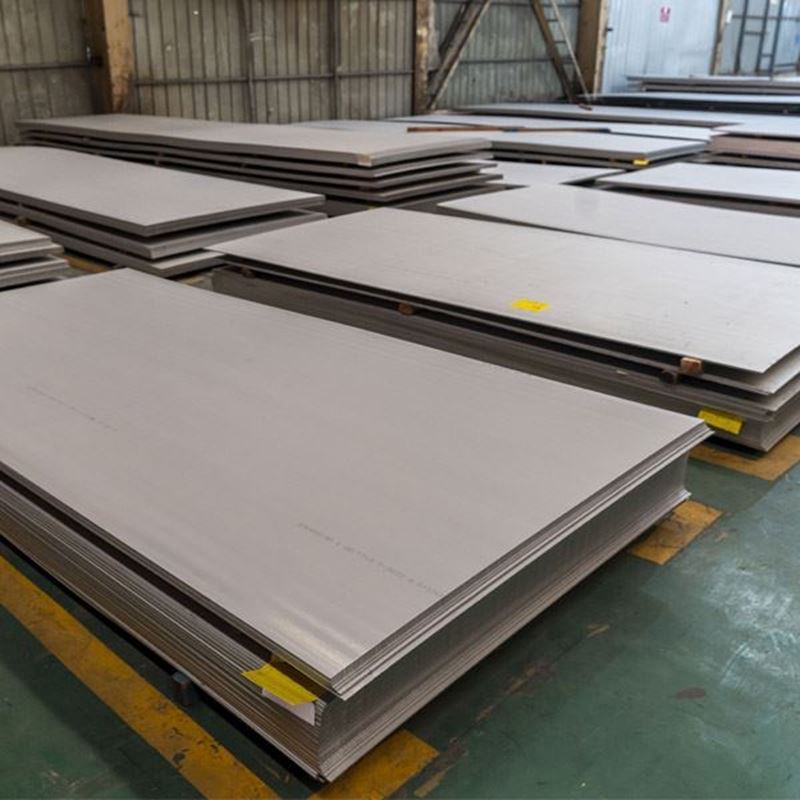
The European Union does not want more polluting impurities and by-products from industry to harm the environment. It is trying to prevent the green transition process, which has been on the agenda for years, from being further undermined. Regulations will focus most on imported steel, cement and other similar goods; CO2 emission tariffs in this area have already been brought to the agenda. The EU launched the first phase of the system, which is unique in the world, on Sunday to implement the tariff.
The planned restrictive tariff has caused unrest among trading partners. At a forum last month, China's top climate change envoy Xie Zhenhua expressed his reaction to this issue with a call. National Development and Reform Commission (NDRC) deputy chairman Xhenhua urged countries not to resort to unilateral measures such as the EU's restrictive tariffs.
According to the European Commission, the border tax will be compatible with World Trade Organization rules. In other words, it is said that foreign and domestic companies will be treated the same and permits will be approved without any further deductions at border crossing for carbon fees already paid abroad.
How will the border tariff work?
In fact, it will not collect any CO2 emissions fees at borders until 2026.
In its newly launched first phase, the Carbon Border Adjustment Mechanism (CBAM) requires reporting from European importers. From now on, imported products including iron, steel, cement, aluminium, fertilizers and even electricity and hydrogen will be required to report greenhouse gas emissions linked to the production process.
From 2026, importers will need to obtain an "emissions certificate" for the CO2 price in the EU if emissions exceed European standards.
If there is a carbon market in the exporting country, they will only have to pay the difference.
Carbon markets will allow companies to offset their greenhouse gas emissions by purchasing carbon credits from organizations working to eliminate or reduce greenhouse gas emissions.



Comments
No comment yet.