


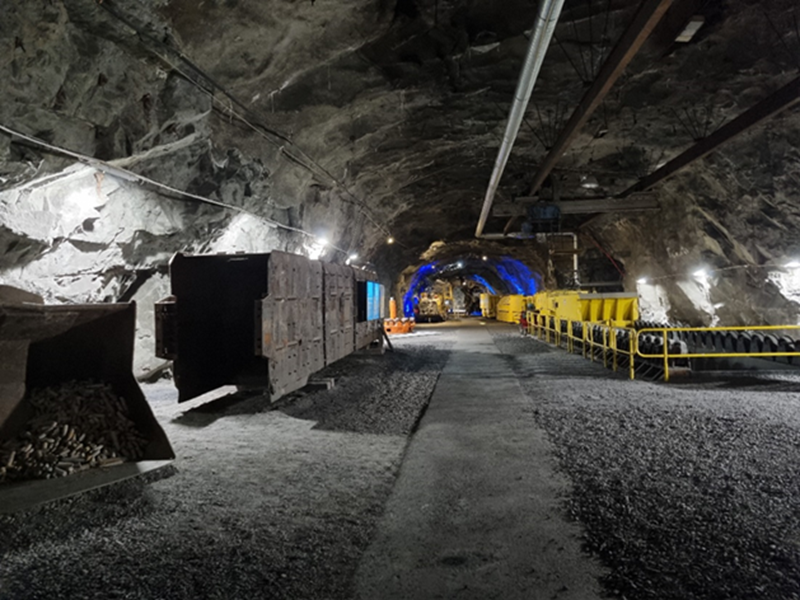
In the city that hosts the world’s largest underground iron ore mine, thousands of residents have been evacuated, while the relocation of tens of thousands of buildings is ongoing.
As the state-owned mining company LKAB expands its operational area, the level of risk in Kiruna has increased, prompting the gradual evacuation of the city. Authorities state that the completion of the new settlement area, being built 3 kilometers away, is not expected until 2035.
Kiruna’s fate changed around 125 years ago with the discovery of iron ore in the region. Over time, the city grew and became largely shaped around LKAB’s mining activities. Although LKAB holds a limited share on a global scale, it is a strategic producer, supplying approximately 80% of the iron ore mined across the European Union.
In the city that developed alongside the mine, relocation was first put on the agenda in 2004. The process officially began in August 2025 with the relocation of the 113-year-old Kiruna Church. The wooden structure was moved to its new location in a two-day operation, becoming one of the first symbolic buildings to be relocated. According to current plans, around 6,000 more residents and 2,700 additional homes still need to be moved.
The cost of the relocation process is also drawing attention. LKAB is expected to pay a total of USD 2.4 billion in compensation over the next 10 years. Company officials stated that property owners are offered either compensation at market value plus an additional 25% or the construction of a new home. It is reported that around 90% of eligible residents have opted for the new housing option.
Meanwhile, the European Union has classified a newly discovered rare earth elements deposit identified by LKAB in the region as strategically important under the Critical Raw Materials Act. The regulation aims for the EU to meet 40% of its annual raw material demand from domestic production by 2030.
Source: Dünya.com

Comments
No comment yet.