


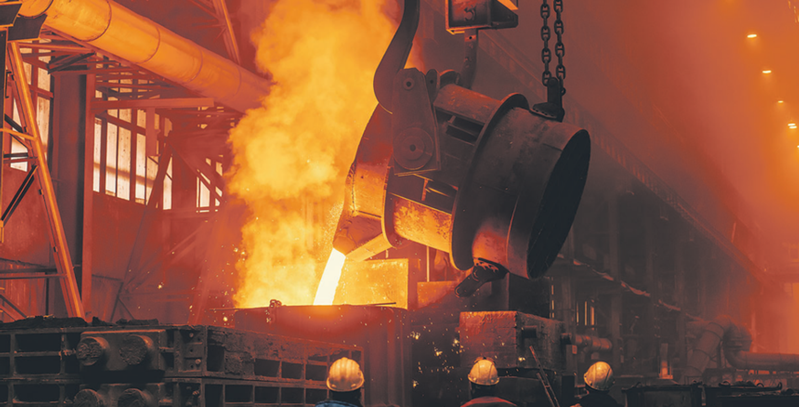
The regulation, prepared under the 2025 Steel and Metals Action Plan, will replace the current safeguard measures set to expire on June 30, 2026.
The new framework aims to strengthen the protection of the EU steel sector, enable more effective responses to market distortions, safeguard fair competition, and provide greater predictability for both producers and steel-using industries.
Under the revised tariff-rate quota (TRQ) system, import quotas will be reduced and higher duties will be imposed on imports exceeding those quotas. To provide flexibility for economic operators, unused quotas may only be carried forward to the following quarter within the same calendar year.
To enhance transparency and prevent circumvention of trade rules, the regulation also introduces new provisions related to the “melted and poured” requirement. This measure will allow authorities to identify the country where steel was first melted and cast into a solid form.
The regulation further includes an enhanced review mechanism that empowers the European Commission to assess the scope and effectiveness of the measures in light of market developments and update them when necessary.
In a joint statement, the Council, the European Parliament and the Commission reiterated the objective of reducing economic dependencies on Russia, emphasizing ongoing efforts to gradually phase out Russian-origin steel products and diversify import sources.
The regulation will enter into force on July 1, 2026, following its publication in the Official Journal of the European Union.
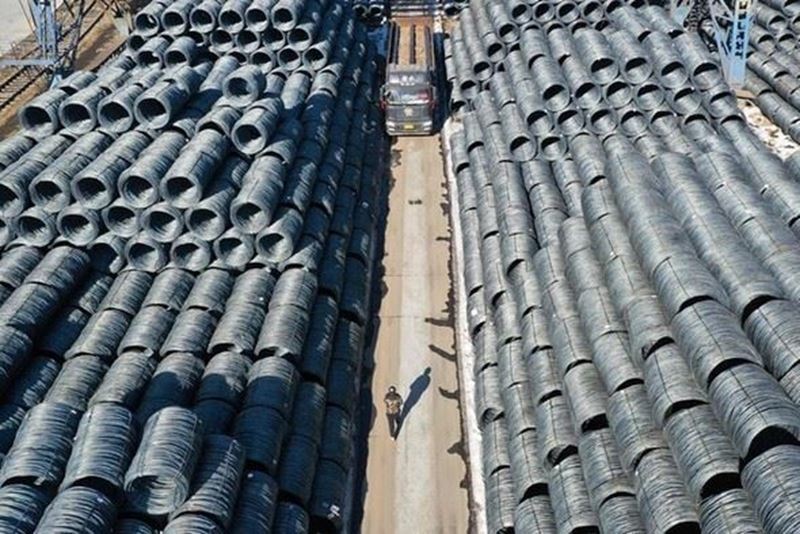
The EU steel sector continues to face growing pressure from global overcapacity. Global excess steelmaking capacity is expected to reach 721 million tonnes by 2027, exceeding five times the EU’s annual steel consumption. Combined with trade restrictions imposed by third countries, this has made the EU market a primary destination for surplus steel.
Rising imports, a capacity utilization rate that has fallen to 67%, and high production costs are threatening the sector’s decarbonization investments and long-term competitiveness. Since 2007, the EU steel industry has lost around 65 million tonnes of production capacity, while up to 100,000 jobs are considered at risk.
To address these challenges, the European Commission announced in March 2025 that it would prepare a new steel safeguard measure, with the proposal subsequently presented in October 2025.



Comments
No comment yet.