


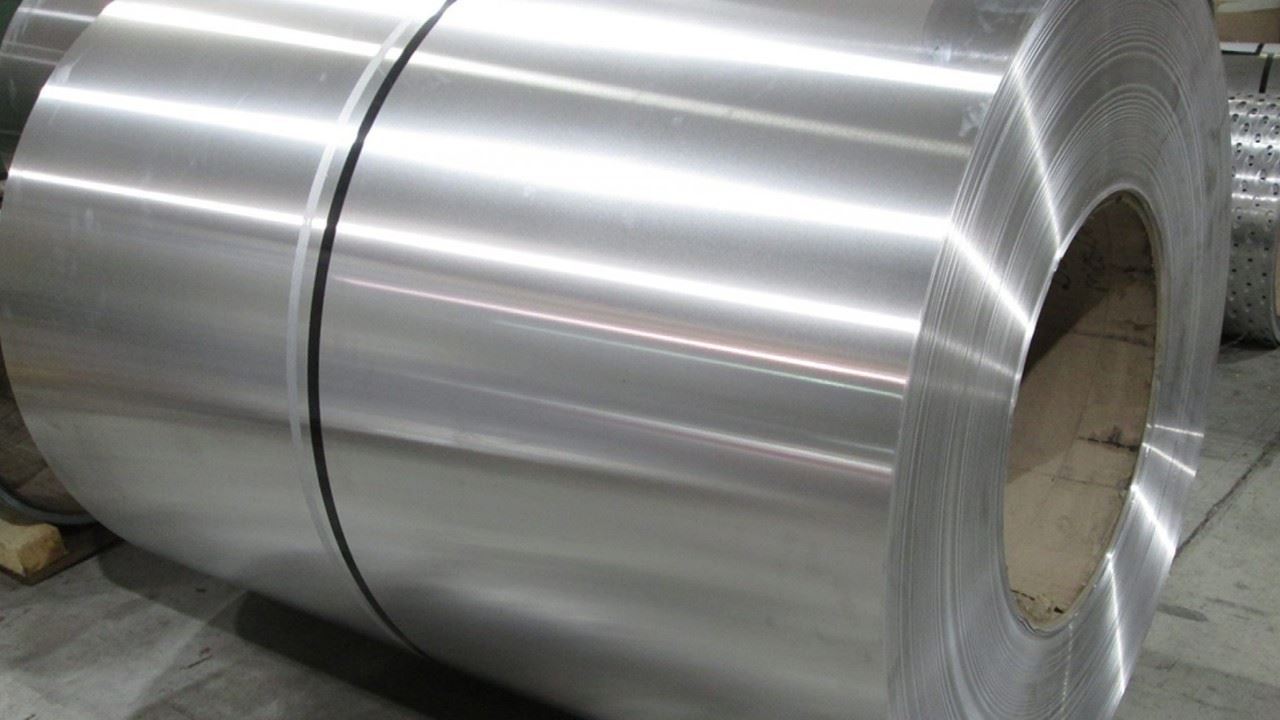
Aluminum slumped along with many other base metals as production in China refreshed a record and moves by some banks to reduce base metal financing damaged confidence.
The largest supplier's aluminum production rose 9.6 percent year on year to 3.51 million tons in August, according to data from the National Bureau of Statistics released on Friday. Thus, the previous peak seen in July was passed. Production in the first eight months of the year increased by 2.1 percent to 26.47 million tons.
Aluminum prices are poised to close the third consecutive week with losses, restoring gains made earlier this week after supply disruptions in Sichuan and Yunna provinces swept the market.
This came amid massive closures of manufacturing plants in Europe due to rising energy costs. Friday's data point to the resilience of Chinese supply as domestic capacity continues to expand.
The increase in Chinese supply comes with a worsening global demand outlook as manufacturers warn of declining consumption, rising costs, continued supply chain bottlenecks and lower quarterly shipments and earnings forecasts.
JPMorgan and ICBC decide to withdraw from metal financing in China
According to Bloomberg sources, JPMorgan Chase and ICBC Standard Bank decided to withdraw from metal financing in China after the liquidity crisis experienced by the largest copper trading company, Maike Metals.
In a memo, Marex analyst Zenon Ho stated that this raises concerns about credit liquidity, increased financing costs and potentially more metal deliveries to Exchanges.
Data released on Friday showed signs of economic recovery in China, the largest metal consumer, after the stimulus package to prevent slowdown was put into use in August, surpassing retail sales and fixed asset investment forecasts.
The real estate market, one of the main indicators, fell for the 12th consecutive month
However, the real estate market, which is one of the main pillars of metal demand, did not show any signs of easing, with housing prices falling for the 12th month in a row.
More generally, expectations of excessively large Federal Reserve rate increases to cool inflation have hurt confidence in risky assets, including commodities.






Comments
No comment yet.