


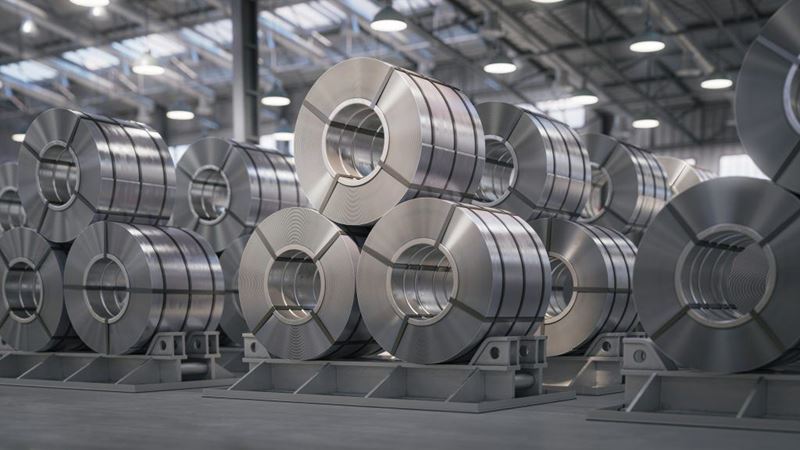
Cobden emphasized that for decades Canadian steel has been a key source of supply for automobiles, bridges, pipelines, military equipment, and critical infrastructure projects in the United States. She also noted that the U.S. remains Canada’s largest export market for steel. Despite this long-standing partnership, she said the tariffs have disrupted supply chains, threatened jobs, and harmed local economies.
Highlighting that the United States still requires millions of tons of imported steel to meet domestic demand, Cobden stated that Canada was the largest supplier of steel to the U.S. before the trade dispute, but shipments declined by 60% in 2025.
Cobden further noted that Canada has taken direct action against global excess capacity originating from China and has implemented policies to protect its domestic market from unfair trade in both primary and downstream steel products. She added that the Canadian government has strengthened melt-and-pour steel verification requirements for imports and increased investments in border enforcement through a dedicated steel task force. These measures are intended to support the domestic steel industry while building a strong and integrated North American manufacturing base aligned with the United States.
The Canadian Steel Producers Association (CSPA) described the current situation as a turning point and called for the removal of tariffs between the two countries, as well as greater cooperation to strengthen the North American steel industry.
The CSPA represents all primary steel producers and major steel consumers in Canada. Through its 17 member companies, it supplies industries including automotive, energy, construction, and transportation, contributing to employment and economic growth across the country.




Comments
No comment yet.