


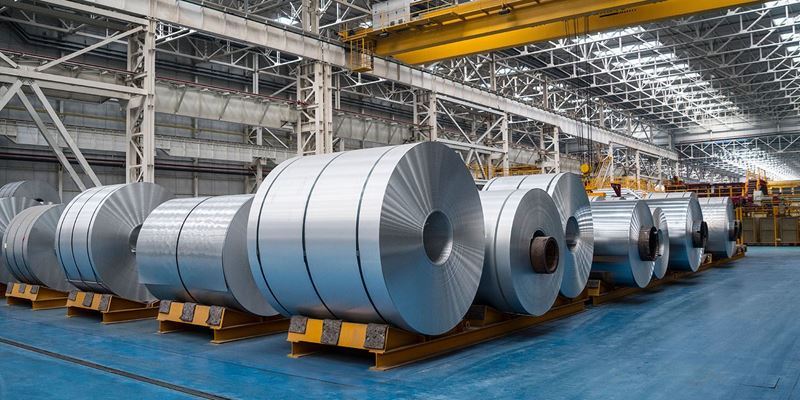
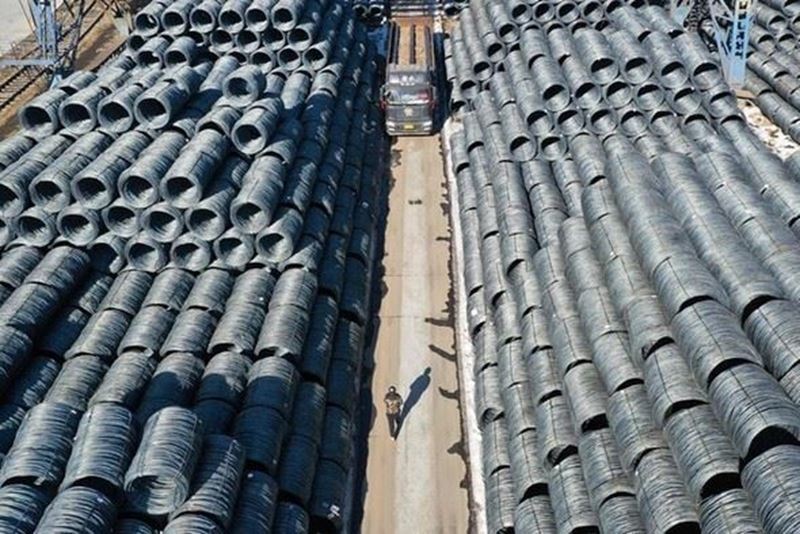
The decision is intended to protect workers and businesses from non-market practices and excess capacity in the global steel trade, according to the government.
In a statement issued by Finance and National Revenue Minister François-Philippe Champagne, the government said it had decided to maintain the existing trade measures for the steel and aluminum sectors in response to evolving global economic conditions. The statement noted that the measure has been submitted for approval by the Cabinet.
Under the arrangement, Canada’s steel tariff-rate quota (TRQ) regime will continue to apply in its current form to imports from countries that do not have a Free Trade Agreement (FTA) with Canada. In addition, Canada will extend its horizontal tariff remission measures for eligible steel and aluminum products imported from the United States.
The measures will remain in force until June 27, 2027, and June 30, 2027, respectively.
Under the current system, quota levels for steel imports from countries without a free trade agreement with Canada will continue to be based on 20% of 2024 import volumes. For countries that do have a free trade agreement with Canada, the quota threshold will remain at 75%.
Imports exceeding the quota limits will be subject to a 50% tariff. Countries covered by the CUSMA agreement, including the United States and Mexico, will continue to be exempt from the TRQ system.
The government also announced that work will begin on a new approach to managing steel tariff quotas. As part of this process, an allocation-based quota system for certain product categories will be evaluated, and consultations will be conducted with stakeholders, including producers and importers.
The Canadian government stated that it will maintain the current quota structure, continue applying lower quota thresholds to non-FTA countries, and preserve the 50% tariff on imports that exceed quota limits.



Comments
No comment yet.