


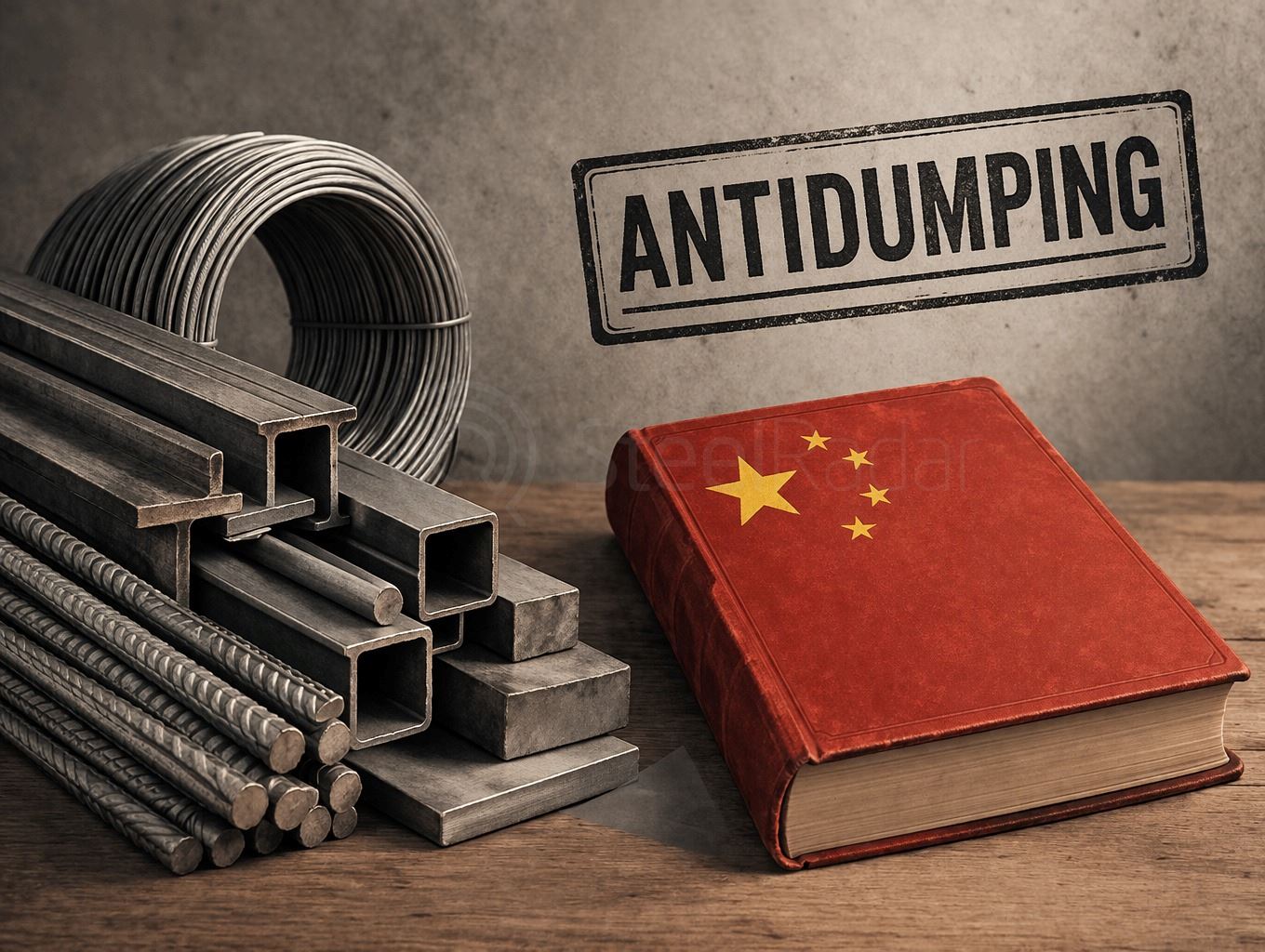
Key developments since January regarding the matter are summarized as follows:
United States
The U.S. Department of Commerce confirmed that carbon steel pipes exported from Oman to the United States were produced using Chinese-origin hot-rolled steel, thereby circumventing the anti-dumping (AD) and countervailing duty (CVD) measures imposed on China. In addition, the United States has initiated a new investigation to assess the imposition of additional tariffs on steel and aluminum products.
Australia
Following an investigation conducted by the Australian Anti-Dumping Commission, a 10% customs duty has been imposed on steel roof framing systems imported from China.
Brazil
The Brazilian government approved the implementation of anti-dumping measures targeting steel products of Chinese origin. While the scope of the decision is expected to remain limited, it has been reported that the measures primarily cover cold-rolled flat products and coated flat products imported from China.
South Korea
The Korea Trade Commission (KTC) concluded its anti-dumping investigation into hot-rolled carbon steel and other alloy steel products originating from Japan and China, deciding to impose anti-dumping duties of up to 33%.
United Kingdom
The UK government introduced a new anti-dumping measure targeting Chinese-origin products found to be harming the domestic tin processing industry. Tinplate products are considered critical for the packaging sector in the UK due to their paint adhesion properties, heat resistance, durability, and recyclability.
Furthermore, the UK government decided to extend the existing anti-dumping duties on Chinese-origin wire rod products, maintaining the current measures.
Canada
Canada finalized dumping and subsidy duties on Chinese-origin cast iron waste pipes. The products subject to the investigation fall under customs tariff codes 7303.00.00.10 and 7303.00.00.90. These products are widely used in construction and infrastructure projects.
Türkiye
Türkiye determined the dumping margins for “cold-rolled flat steel (excluding annealed products), galvanized flat steel, and painted flat steel” originating from China and South Korea.
The successive implementation of anti-dumping measures across countries and regions has led to a notable shift in China’s steel export strategy. Increasing trade pressures have raised questions regarding the sustainability of the long-standing export model based on low prices and low value-added products, with this transformation becoming clearly reflected in policy actions.
Despite all these anti-dumping measures, China continues to take strategic decisions aimed at sustaining its domestic economy and supporting trade. The outcomes of the “Two Sessions” held in March, along with the 15th Five-Year Plan meetings outlining the country’s long-term development goals, highlight concrete steps focused on enhancing technological capabilities and value-added production, ensuring environmental sustainability, and strengthening global competitiveness. In particular, inventory reduction policies and green steel production have been identified as priority areas.However, according to our sources, despite selling at a loss, factories are reportedly struggling to raise prices due to market conditions.






Comments
No comment yet.