


The association identified three key priorities: reducing energy costs, creating lead markets for low-emission European steel, and strengthening transport and logistics infrastructure.
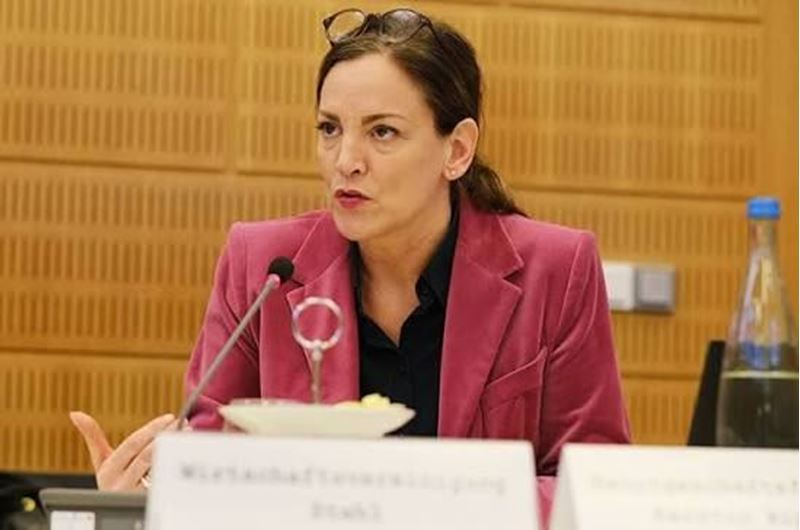
Speaking ahead of the German government’s submission of its draft 2027 federal budget to the Bundestag, WV Stahl Managing Director Kerstin Maria Rippel said reliable funding is essential for Germany to preserve its strong industrial base and continue the transition to climate-neutral production amid growing global uncertainty.
Steel sector calls for focus on three areas
Rippel stressed that the goal of climate-neutral production must be reflected in the federal budget, particularly in the Climate and Transformation Fund.
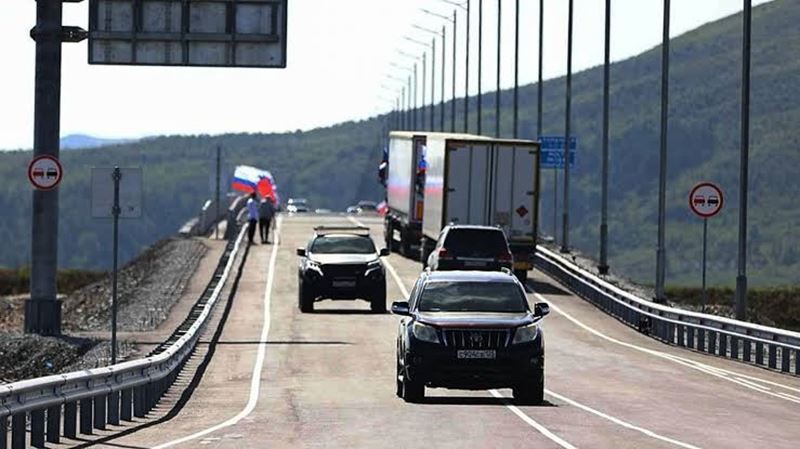
She said three areas are of critical importance to the steel sector: reducing energy prices, creating lead markets for low-emission steel produced in the EU, and strengthening transport and logistics infrastructure.
Rippel highlighted that funding in these areas will be important for maintaining Germany’s industrial base and continuing the transformation of the steel sector.
Call to maintain support for grid costs
WV Stahl also called for existing support measures aimed at reducing energy costs to be maintained.
Rippel said that scaling back support following the recently introduced energy price reduction would send the wrong signal to both industry and consumers.
In this context, she called for the subsidy for transmission grid costs not to be reduced, but instead maintained at its current level and made permanent.
The German Steel Association aims to achieve climate-neutral steel production in Germany by 2045.
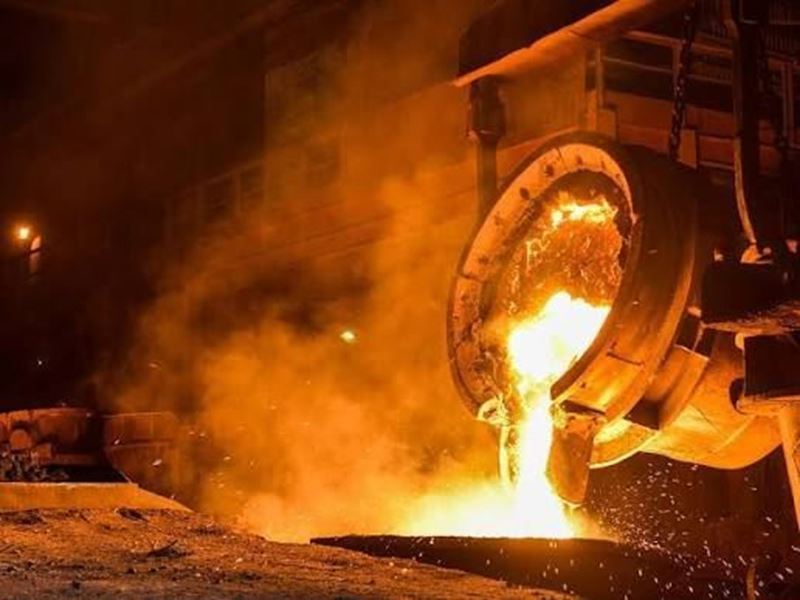
According to the association, Germany remained Europe’s largest steel producer in 2025, with steel production reaching 34.1 million tonnes.



Comments
No comment yet.