13,744.64 TRY BIST 100 BIST 100
53.44 EUR EUR EUR
46.17 USD USD USD
6.87 CNY CNY CNY
0.13 CNY CNY/EUR CNY/EUR
43.69 TRY Interest Interest
93.67 USD Fossil Oil Fossil Oil
6.21 USD Copper Copper
94.66 USD Silver Silver
101.39 USD Iron Ore Iron Ore
400.00 USD Shipbreaking Scrap Shipbreaking Scrap
6,089.00 TRY Gold (gr) Gold (gr)
101.00 USD Iron Ore 61% Fe Iron Ore 61% Fe

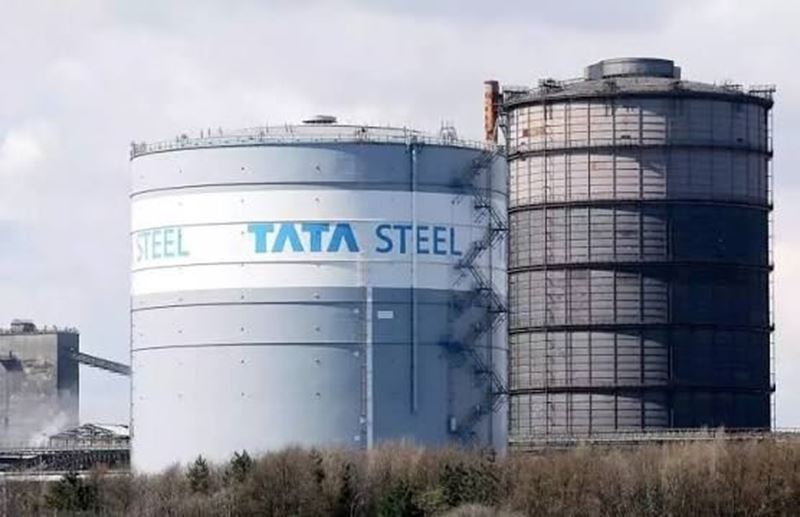
UK steelmakers face two-year delay to GBP 14.5 million energy savings

The UK Government has confirmed that the Network Charging Compensation (NCC) rate will increase from 60% to 90% starting in April 2026.

UK steelmakers face two-year delay to GBP 14.5 million energy savings

The increase has been welcomed by the steel industry; however, since compensation will be paid with a one-year delay for 2026, companies will have to wait until 2027 to benefit from the GBP 14.5 million in electricity cost savings.

UK Steel Director General Gareth Stace noted that UK steel producers currently pay almost 40% more for electricity than their counterparts in France, amounting to a total difference of GBP 41 million in 2025/26. Although the rise in NCC support will reduce this gap by around 25%, the absence of a backdated implementation means the sector will continue to face pressure.

Industrial electricity prices consist of network charges, policy costs, and wholesale prices. Raising the NCC to 90% will align network and policy costs with those in Germany and deliver savings of GBP 6.5 per megawatt-hour (MWh). However, high wholesale electricity prices remain the biggest barrier to lowering overall costs.

Stace stated, “The Government’s decision to increase network compensation is the right move and will save our sector GBP 14.5 million per year. But the UK steel industry still faces significantly higher electricity costs than European competitors, and wholesale prices continue to drive this gap.”

UK Steel has urged the Government to introduce a wholesale price equalisation mechanism and to bring the NCC exemption forward to April 2025 to align UK electricity prices with the lowest-cost European rivals.

Steel production in the UK is an electro-intensive sector, with electricity costs reaching up to 180% of Gross Value Added (GVA). High electricity prices undermine the sector’s competitiveness and investment capacity, threatening progress toward sustainable, low-carbon steelmaking.

Comments

No comment yet.

Only +plus subscribers can access this content.

SUBSCRIBE now to share your thoughts on the markets and get more comments.
SUBSCRIBE If you already have an account Sign In

Most read news

SSAB develops first armor steel powder for 3D printing

Monday, June 15, 2026

Recycling Europe, EEB and FEAD call for a Green Steel Label

Monday, June 15, 2026

China Baowu and Rio Tinto complete pelletizing and direct reduction trials using Pilbara Blend iron ore

Monday, June 15, 2026

Industrial production index increased on both a monthly and annual basis in April

Monday, June 15, 2026

US announces preliminary decision in antidumping review of non-oriented electrical steel from Japan

Monday, June 15, 2026
Follow List
Expand
Your watch list is empty

Add your favorite commodities for quick access and don't miss the latest price change news.


There are no news categories you follow
Edit Notification Preferences
E-bulletin subscription
Sign up to receive the latest news and daily iron prices by e-mail and sms
Become a Plus Subscriber Now!
Try it free for 3 days!
Subscribe Now
Neutral Prices
Be informed
Provincial Iron Prices
Comments and Analysis
Subscribe Now