


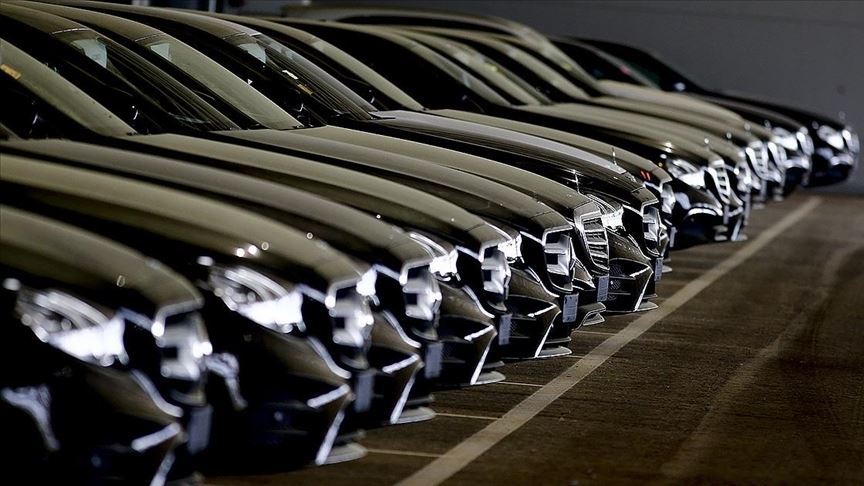
JLR the country’s largest automaker shut down its systems to contain the incident and gradually restarted operations in early October after a six-week production halt. The company faced an estimated GBP 196 million (USD 259 million) in costs during this period.
According to data from the Society of Motor Manufacturers and Traders (SMMT), total vehicle output, including commercial vehicles, fell 30.9% to 62,116 units in the same month.
On the other hand, production of electric, plug-in hybrid, and hybrid vehicles rose 10.4% to 27,287 units, accounting for nearly half of all vehicles produced in October. SMMT attributed the increase to the government’s green transition targets and significant discounts driven by competitive pressure from Chinese manufacturers.
SMMT Chief Executive Mike Hawes highlighted that the sector is expected to return to growth, noting that the government has designated the automotive industry as a strategic sector and announced GBP 1.5 billion in additional support. However, Hawes emphasized that maintaining competitiveness will require strong domestic demand.
Still, the industry warns that new taxes on electric vehicles could hinder growth. In the budget announced by Finance Minister Rachel Reeves on Wednesday, the government introduced a pay-per-mile tax on electric vehicles starting April 2028. While the tax is expected to generate £1.1 billion in its first year, Hawes stressed that it would weaken consumer demand:
“Therefore, government must work with industry to reduce compliance costs and protect the UK’s investment appeal.”
Total vehicle production fell 17% in the first ten months of the year. However, SMMT forecasts a return to growth in 2026, with an estimated 828,000 cars and vans expected to be produced as new electric models come online.
Source: Reuters





Comments
No comment yet.