


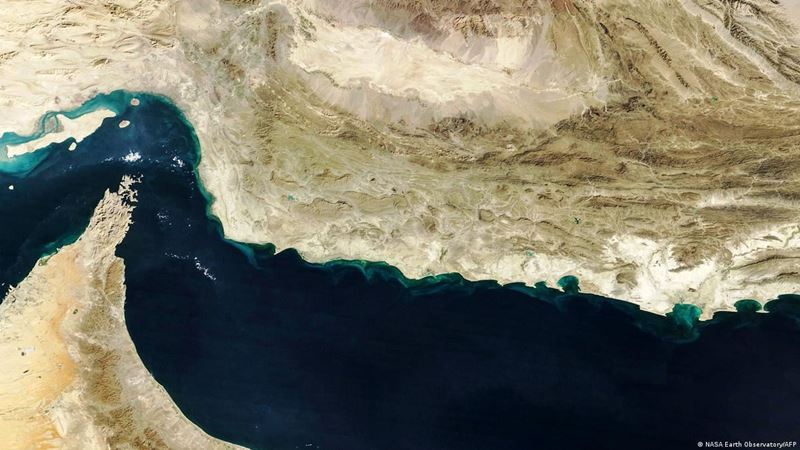
Traffic in the Strait of Hormuz, which is of critical importance for global trade, has not shown signs of recovery despite the two-week temporary ceasefire between the United States and Iran.
As part of the negotiation process conducted in Pakistan between the United States and Iran, the parties’ harsh mutual statements regarding control of the Strait of Hormuz increased uncertainty in the region. U.S. President Donald Trump stated that their navy would initiate a blockade process against vessels attempting to use the strait, indicating that this step points to tensions that could escalate again after the ceasefire.
Ebrahim Azizi, Chairman of the Iranian Parliament’s National Security Commission, described Trump’s statements as “detached from reality and a bluff.” Azizi stated that such an attempt would mean war and that they would respond accordingly, adding that Iran also has other options it has not yet put into action.
According to the data, an average of 129 vessels per day passed through the Strait of Hormuz during the period of February 1–27, while this traffic decreased by more than 90% with the outbreak of the war. It was observed that there was no significant recovery in vessel traffic even after the two-week temporary ceasefire that began on April 8.
In the post-ceasefire period, a significant portion of the vessels passing through the strait consisted of tankers carrying Iranian-linked crude oil and petroleum products. It was recorded that most of these vessels departed from Iranian ports. During this period, the destinations of the vessels were concentrated in ports in Oman, China, India, Pakistan, Malaysia and Brazil.
The highest traffic in the strait was recorded on April 11 with 14 vessel transits. On the same day, three large tankers carrying 2 million barrels of Iraqi crude oil and a total of 4 million barrels of crude oil from Saudi Arabia were also among the vessels passing through. It was reported that Greek- and China-based companies stood out in the ownership structure of the vessels.
Arne Lohmann Rasmussen, Head of Research at Denmark-based Global Risk Management, stated in his evaluation of the oil market that following the collapse of peace talks in Pakistan, it seems unlikely that negotiations will resume. Rasmussen said that uncertainty regarding the future of the ceasefire continues.
Rasmussen noted that Trump’s statements could increase pressure on Iranian oil traffic, stating that Iran continues to export approximately 1.5–2 million barrels of oil per day, most of which is directed to China. He also stated that the feasibility of such a blockade and possible international reactions remain uncertain.
Rasmussen also stated that the market had started to price in the reopening of the Strait of Hormuz, but that this scenario has been delayed, adding that in case of rising tensions, risks related to the Bab el-Mandeb Strait may also come to the agenda and this could make Saudi Arabia’s alternative shipment routes more difficult.
Source: AA




Comments
No comment yet.